 뒤로
뒤로Anatomy & Physiology Unit 1 Vocabulary
 3:06
3:06
이 집합의 용어 (32)
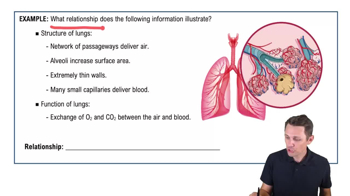
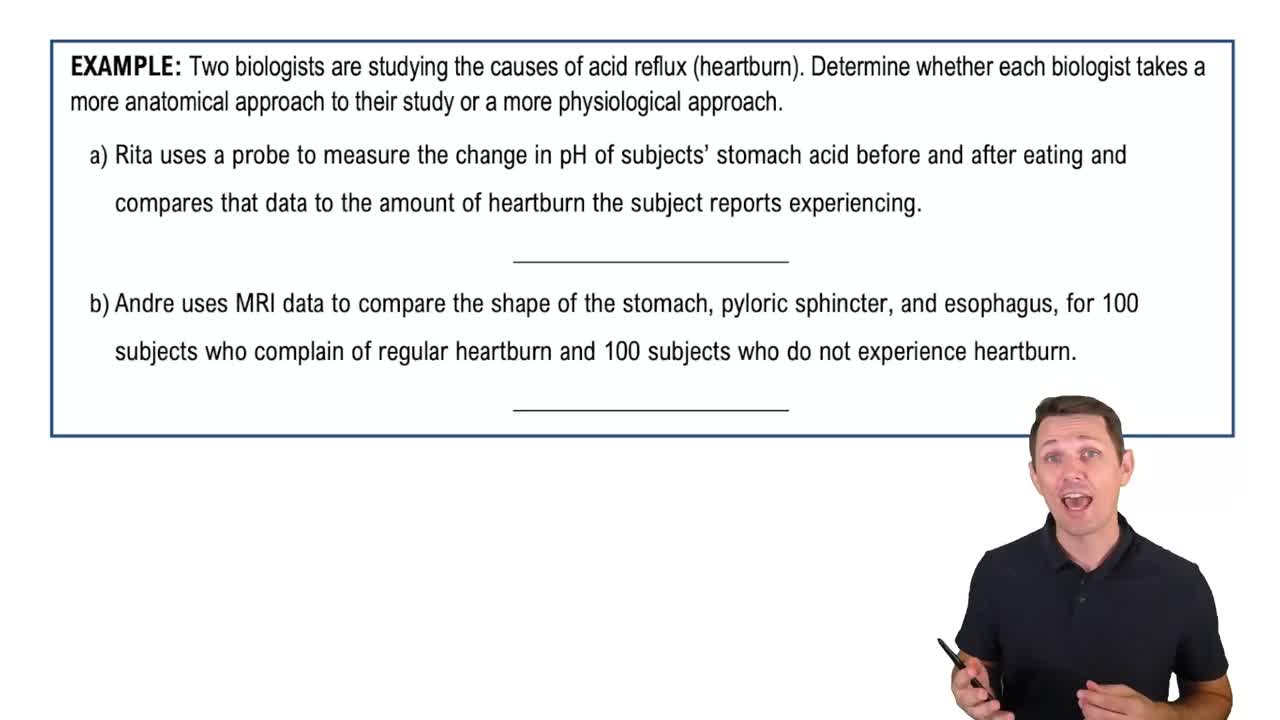
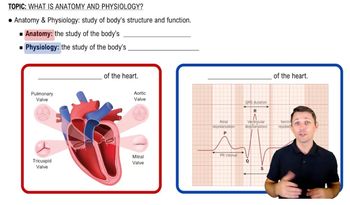
Study of body structures and how those structures relate to one another.
Study of how the body and its parts function.
Study of structures large enough to be seen without a microscope.
Study of structures that require magnification to be seen.
Chemical, cellular, tissue, organ, organ system, and organism levels, from simplest to most complex.
A group of organs that work together to perform major body functions.
A group of similar cells and associated materials working together.
Maintenance of a relatively stable internal environment.
Sensor that detects a stimulus or change in a regulated condition.
Receives and processes information and determines the response.
Cell, tissue, or organ that carries out the response directed by the control center.
Response opposes the original change and moves a condition back toward its normal range.
Response strengthens or amplifies the original change.
Standing upright, facing forward, feet together, arms at sides, palms facing forward.
Lying on the back, face up.
Lying on the abdomen, face down.
Four clinical divisions: right upper (RUQ), left upper (LUQ), right lower (RLQ), and left lower (LLQ).
Chest cavity containing the pleural cavities and mediastinum; houses lungs, heart, and other structures.
Superior portion of the abdominopelvic cavity; contains many digestive organs.
Inferior portion of the abdominopelvic cavity; contains urinary bladder, reproductive organs, and distal digestive structures.
Above; toward the head.
Below; toward the feet.
Toward the front of the body.
Toward the back of the body.
Toward the body's midline.
Away from the body's midline.
Closer to the point of attachment or origin.
Farther from the point of attachment or origin.
Divides the body into anterior and posterior portions.
Divides the body into right and left portions.
Sagittal section exactly along the midline, producing equal right and left halves.
Divides the body into superior and inferior portions.