 뒤로
뒤로Anatomy & Physiology Unit 1A Review
 3:06
3:06
이 집합의 용어 (29)
Anatomical position is a standard body posture where a person stands upright, facing forward, feet flat and together, arms at the sides with palms facing forward.
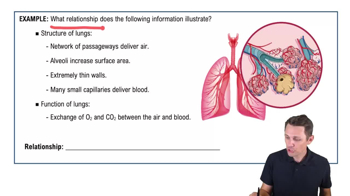
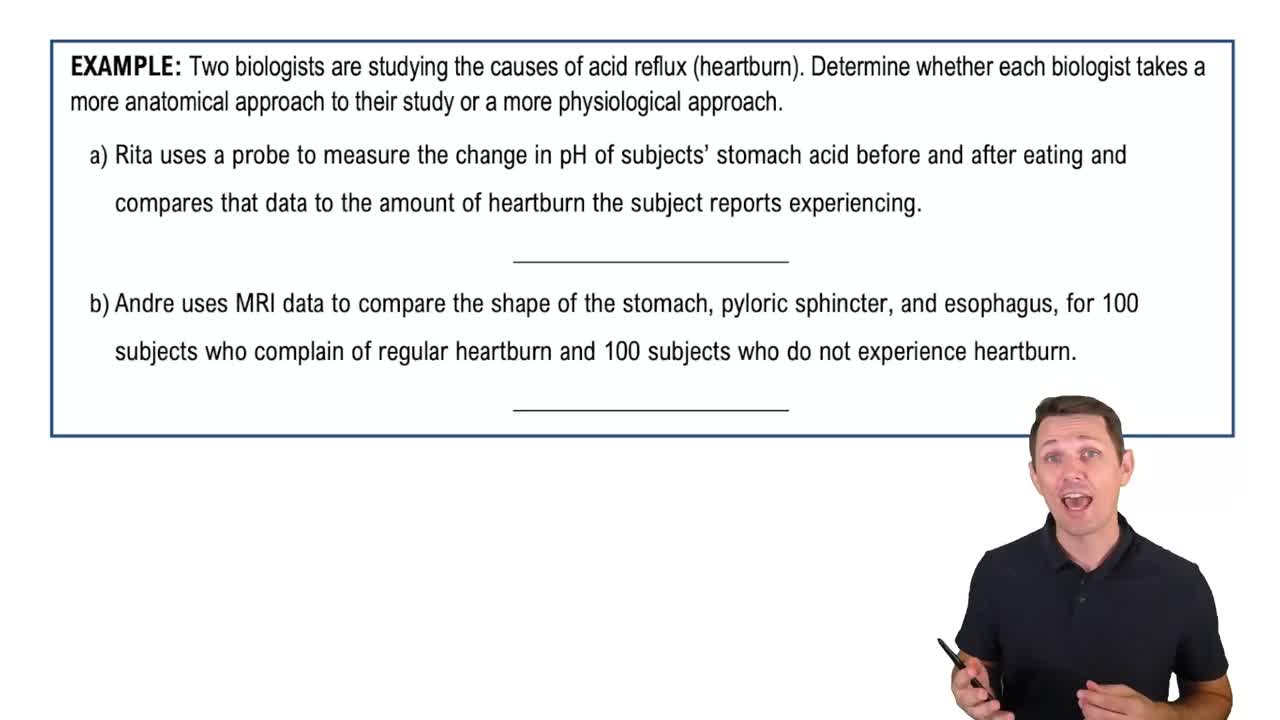
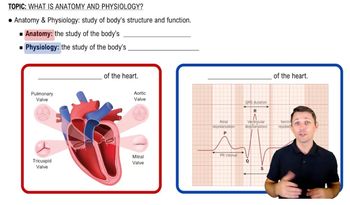
Anatomy is the study of body structure. Physiology is the study of body function.
Structure (anatomy) determines function (physiology), and function depends on structure.
Levels: Chemical (atoms), Cellular (cells), Tissue (muscle tissue), Organ (heart), Organ system (cardiovascular system), Organism (human body).
Homeostasis is the body's ability to maintain a stable internal environment despite external changes.
Positive feedback amplifies a response, such as blood clotting or childbirth contractions.
Negative feedback reverses a change to maintain homeostasis, like regulating body temperature.
Water's polarity, high heat capacity, solvent abilities, and cohesion support life processes.
Hydrophobic: repels water; Hydrophilic: attracts water; Amphipathic: has both hydrophobic and hydrophilic parts.
An acid donates H+ ions; pH less than 7 indicates acidity.
A base accepts H+ ions; pH greater than 7 indicates alkalinity.
Carbohydrates are made of carbon, hydrogen, and oxygen.
Carbohydrates provide energy and structural support.
Monosaccharides: glucose; Disaccharides: sucrose; Polysaccharides: glycogen.
Anabolic (dehydration synthesis) builds molecules; catabolic (hydrolysis) breaks molecules down.
Lipids contain carbon, hydrogen, and oxygen, with less oxygen than carbohydrates.
Saturated fatty acids have no double bonds; unsaturated have one or more double bonds.
Triglycerides store energy and provide insulation.
Phospholipids form the plasma membrane of cells.
The DNA in the cell nucleus contains the instructions for protein synthesis.
Proteins are made of amino acids linked by peptide bonds.
Enzymes act as biological catalysts to speed up chemical reactions.
Primary: amino acid sequence; Secondary: alpha helices/beta sheets; Tertiary: 3D folding; Quaternary: multiple polypeptides.
DNA stores genetic info; RNA helps synthesize proteins.
ATP = adenosine triphosphate, the main energy currency of the cell.
Cellular respiration produces ATP using glucose and oxygen; products are CO2, water, and ATP.
Exergonic releases energy; endergonic requires energy input.
Cytology is the study of cells.
Intracellular fluid is inside cells; extracellular fluid is outside cells.