 뒤로
뒤로Essentials of Human Anatomy & Physiology - Chapter 1: The Human Body Orientation
 3:06
3:06
이 집합의 용어 (33)
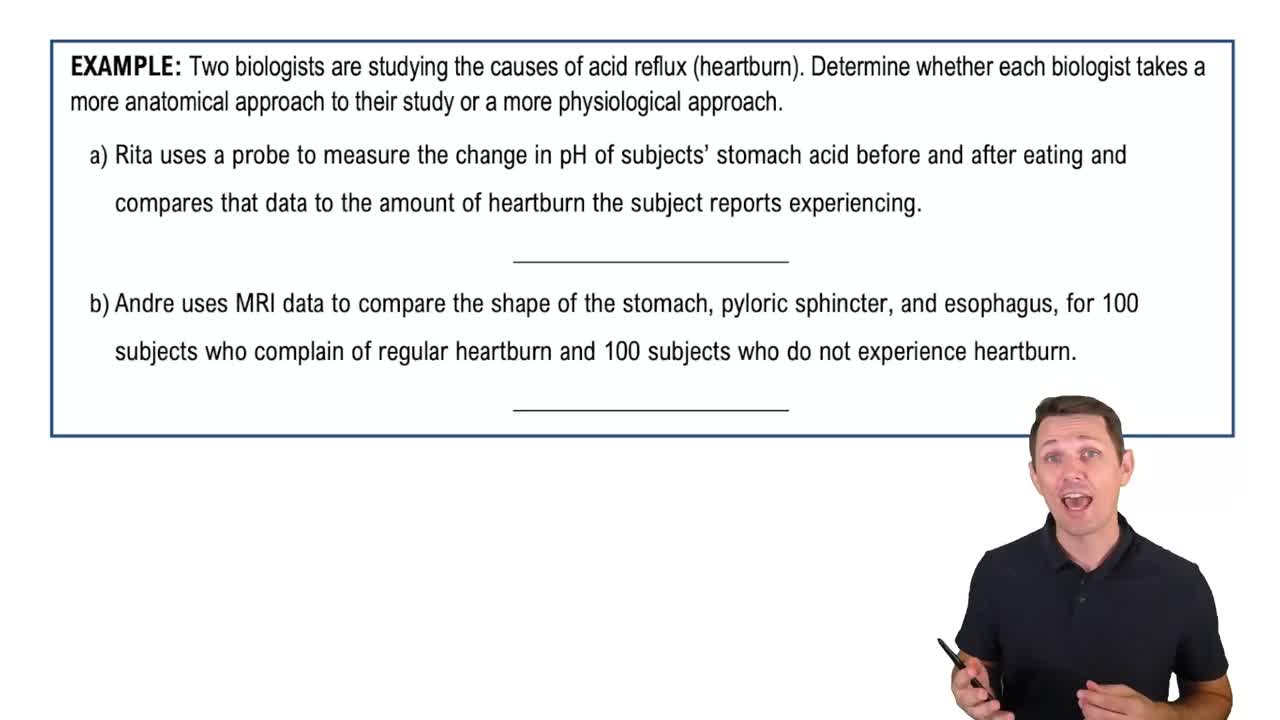
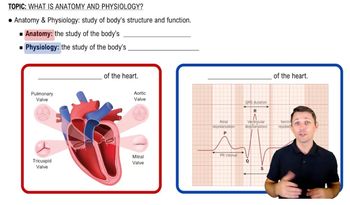
Anatomy is the study of the structure and shape of the body and its parts, using observation to see sizes and relationships of parts.
Gross anatomy studies large structures that are easily observable without a microscope.
Microscopic anatomy studies structures too small to be seen with the naked eye, such as cells and tissues, viewed only with a microscope.
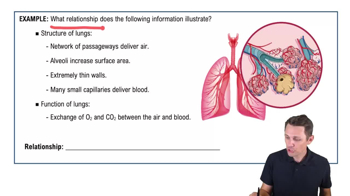
Physiology is the study of how the body and its parts work or function, with structure determining function.
1. Chemical level 2. Cells 3. Tissues 4. Organs 5. Organ systems 6. Organisms
Forms external body covering, waterproofs the body, cushions and protects deeper tissues, produces vitamin D, excretes salts in perspiration, regulates body temperature, and houses cutaneous nerve receptors.
Protects and supports body organs, provides muscle attachment for movement, site of blood cell formation, and stores minerals.
Skeletal muscles contract to produce movement of bones.
Fast-acting control system that responds to internal and external stimuli by sending messages to the central nervous system, which activates effectors like muscles and glands.
Secretes hormones into the blood to regulate growth, reproduction, and nutrient use.
Pituitary, thyroid, parathyroids, adrenal glands, thymus, pancreas, pineal gland, ovaries (females), and testes (males).
Heart pumps blood; blood vessels transport blood carrying oxygen, carbon dioxide, nutrients, hormones, and white blood cells for protection.
Returns leaked fluids to bloodstream, cleanses blood, and houses white blood cells involved in immunity.
Supplies oxygen to the body and removes carbon dioxide through gas exchange in the lungs.
Breaks down food, allows nutrient absorption into blood, and eliminates indigestible material as feces.
Eliminates nitrogenous wastes, maintains acid-base balance, regulates water and electrolytes, and helps regulate blood pressure.
Produces offspring; testes produce sperm and duct system carries sperm in males; ovaries produce eggs and uterus provides fetal development site in females.
Maintaining boundaries, movement, responsiveness, digestion, metabolism, excretion, reproduction, and growth.
Nutrients, oxygen, water, normal body temperature, and appropriate atmospheric pressure.
Maintenance of relatively stable internal conditions; a dynamic state of equilibrium necessary for normal body function and life.
Receptor (detects stimuli), input, control center (determines set point and response), output and effector (carries out response).
Most homeostatic control mechanisms; shuts off or reduces original stimulus to maintain balance, like a thermostat.
Rare in the body; increases original stimulus to push variable farther, speeding up reactions, e.g., blood clotting and childbirth.
Standard body position: standing erect, feet parallel, arms at sides, palms facing forward, thumbs pointing away from body.
Superior: toward the head or upper part; Inferior: away from the head or toward the lower part.
Anterior: toward or at the front; Posterior: toward or at the back.
Medial: toward midline; Lateral: away from midline; Intermediate: between medial and lateral structures.
Proximal: close to origin or point of attachment; Distal: farther from origin or point of attachment.
Superficial: toward or at body surface; Deep: away from body surface, more internal.
Sagittal (left and right parts), frontal/coronal (anterior and posterior parts), and transverse/cross (superior and inferior parts).
Dorsal cavity (cranial and spinal) and ventral cavity (thoracic and abdominopelvic).
Heart, lungs, trachea, and other organs; protected by rib cage.
Abdominal cavity: stomach, liver, and others; pelvic cavity: reproductive organs, bladder, rectum.