 뒤로
뒤로Fundamentals of Anatomy & Physiology - Chapter 1
 3:06
3:06
이 집합의 용어 (33)
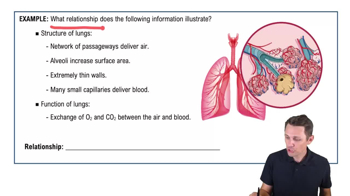
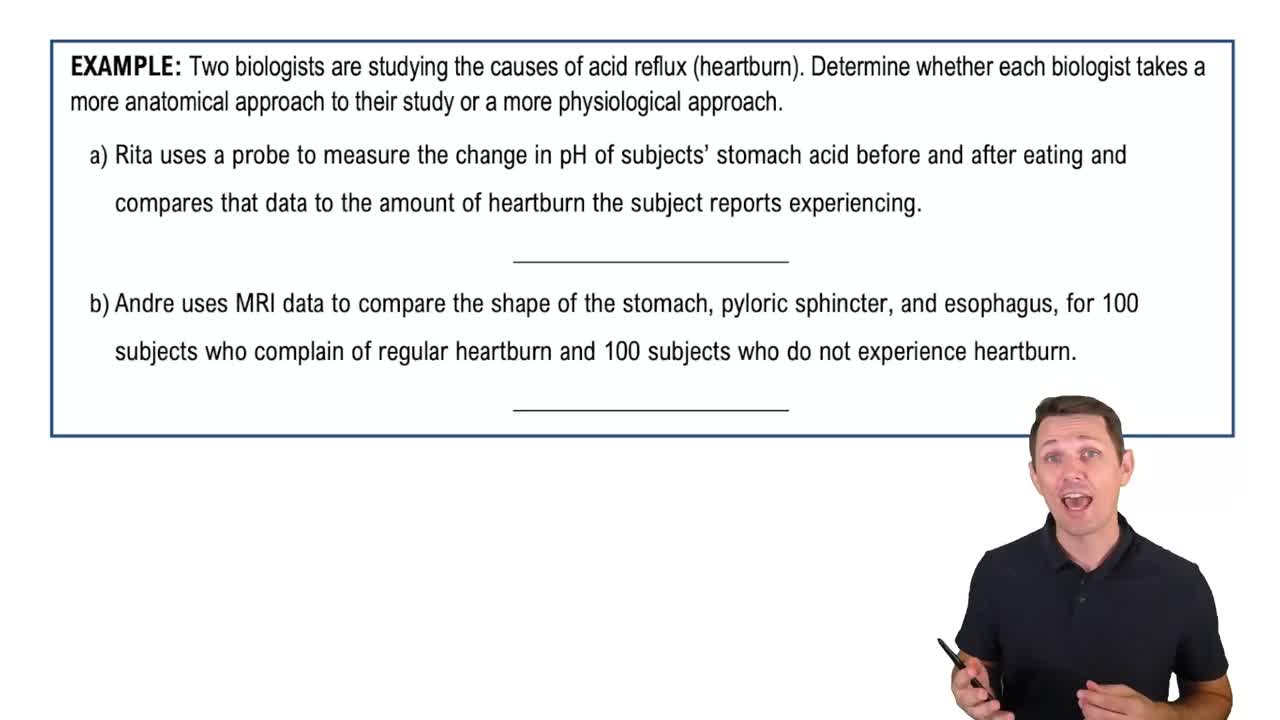
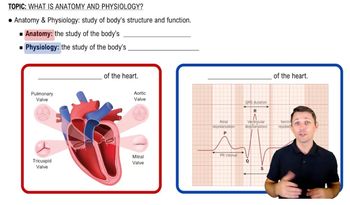
Anatomy describes the structures of the body, including what they are made of, where they are located, and associated structures.
Physiology is the study of the functions of anatomical structures, including individual and cooperative functions.
Gross anatomy (surface, regional, sectional, systemic, clinical, developmental) and microscopic anatomy (cytology and histology).
Cell physiology, organ physiology, systemic physiology, and pathological physiology.
Chemical, cellular, tissue, organ, organ system, and organism levels.
Atoms are the smallest stable units of matter; molecules consist of groups of atoms.
Cells are the smallest living units in the body.
A tissue is a group of cells working together.
Organs are made of two or more tissues working together.
An organ system is a group of interacting organs that perform a common function.
Integumentary, skeletal, muscular, nervous, endocrine, cardiovascular, lymphatic, respiratory, digestive, urinary, and reproductive systems.
Protects against environmental hazards, helps regulate body temperature, and provides sensory information.
Provides support and protection, stores minerals, and forms blood cells.
Provides movement, protection, support, and generates heat to maintain body temperature.
Directs immediate responses to stimuli, coordinates other organ systems, and provides sensory information.
Directs long-term changes in other organ systems, adjusts metabolic activity, and controls development.
Distributes blood cells, nutrients, gases, wastes, and heat to control body temperature.
Defends against infection, returns tissue fluids to the bloodstream.
Delivers air to alveoli, provides oxygen to blood, removes carbon dioxide, and produces sounds.
Processes and digests food, absorbs water and nutrients, and stores energy reserves.
Excretes waste, controls water balance, stores urine, and regulates blood ion concentrations and pH.
Produces male sex cells, seminal fluids, hormones, and enables sexual intercourse.
Produces female sex cells and hormones, supports embryo development, provides milk, and enables sexual intercourse.
Homeostasis is the maintenance of a stable internal environment by all body systems responding to internal and external changes.
Receptor (detects stimulus), control center (processes signal), and effector (carries out instructions).
A response that negates the original stimulus to maintain normal range and restore homeostasis.
A response that amplifies the original stimulus, moving the body away from homeostasis temporarily to complete a process.
Thoracic cavity and abdominopelvic cavity, separated by the diaphragm.
They line body cavities and cover organs, consisting of parietal (lines cavity) and visceral (covers organ) layers.
Right and left pleural cavities (lungs), mediastinum (contains heart in pericardial cavity, blood vessels, trachea, esophagus, thymus).
Abdominal cavity (digestive organs), retroperitoneal space (pancreas, kidneys, ureters), and pelvic cavity (reproductive organs, rectum, bladder).
They provide standardized ways to describe locations of organs and clinical observations.
Frontal (coronal), sagittal (midsagittal and parasagittal), and transverse (cross) planes.