 뒤로
뒤로Fundamentals of Anatomy & Physiology - Chapter 1
 3:06
3:06
이 집합의 용어 (21)
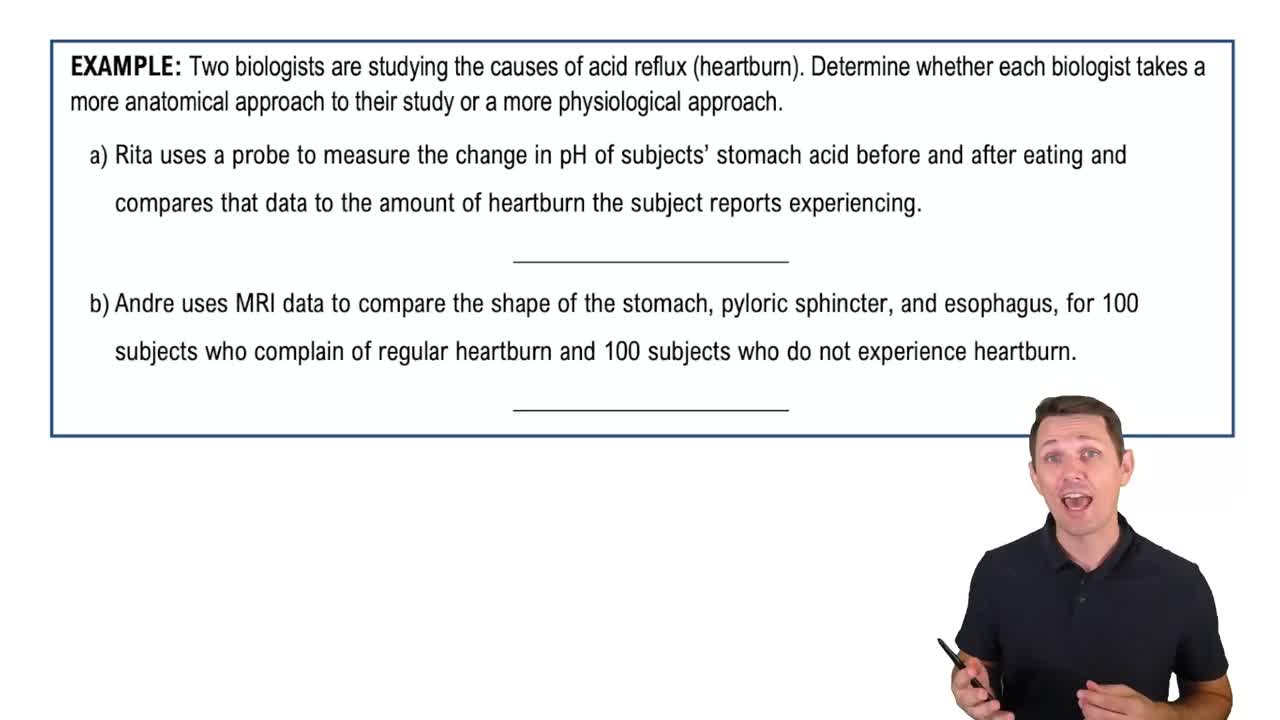
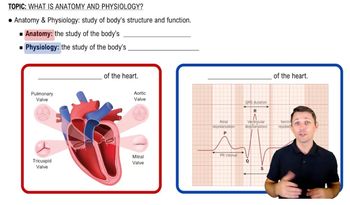
Anatomy is the study of internal and external body structures and their physical relationships among other body parts.
Physiology is the study of how living organisms perform their vital functions.
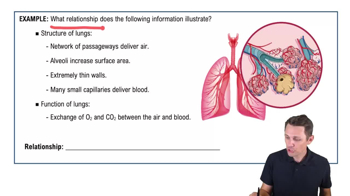
All specific functions are performed by specific structures, and the form of a structure relates to its function.
Surface anatomy, regional anatomy, sectional anatomy, systemic anatomy, clinical anatomy, pathological anatomy, radiologic anatomy, surgical anatomy, developmental anatomy (including embryology).
Microscopic anatomy examines structures that can only be seen using magnification, such as cells and molecules. It includes cytology (study of cells) and histology (study of tissues).
Chemical, cellular, tissue, organ, organ system, and organism levels.
Homeostasis is the continuous physiological process that establishes a relatively stable internal environment.
Autoregulation (local automatic response) and extrinsic regulation (controlled by nervous or endocrine systems).
Receptor (sensor), control center (processes info), and effector (carries out commands).
Negative feedback opposes variation from normal by negating the original stimulus to maintain variables within a normal range.
Positive feedback amplifies the original change in conditions and is used when a process must be completed quickly to restore homeostasis.
Standard reference position with hands at the sides, palms facing forward, and feet together.
Frontal (coronal) plane divides body into anterior and posterior, sagittal plane divides into left and right, transverse (horizontal) plane divides into superior and inferior portions.
Protect delicate organs from shocks and impacts and permit changes in size and shape of internal organs.
Thoracic cavity and abdominopelvic cavity (which includes abdominal and pelvic cavities).
A thin membrane lining body cavities and covering organs, consisting of parietal (lines cavity) and visceral (covers organ) layers with serous fluid to reduce friction.
A mass of connective tissue in the thoracic cavity that stabilizes the trachea, esophagus, thymus, and large vessels of the heart; contains the pericardial cavity.
Dividing the abdominopelvic area into four quadrants or nine regions to locate organs and describe pain or abnormalities.
Signs are objective disease indications (e.g., fever), while symptoms are subjective indications (e.g., tiredness).
By careful observation, proposing a hypothesis, and testing it through experimentation.
Physiological systems continually adapt and adjust to changing conditions, allowing normal ranges to vary depending on circumstances.