 뒤로
뒤로Fundamentals of Anatomy & Physiology - Chapter 1
 3:06
3:06
이 집합의 용어 (28)
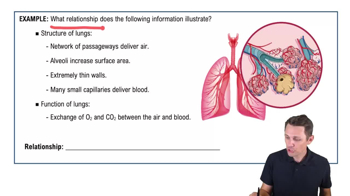
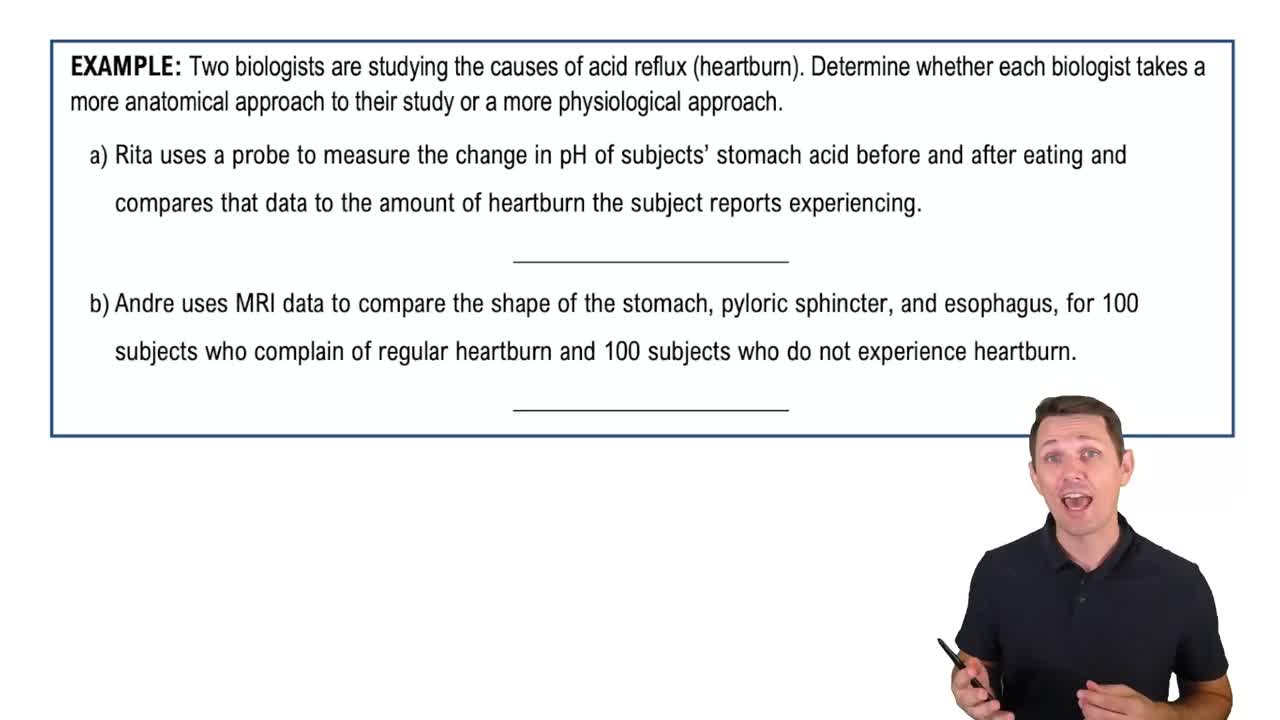
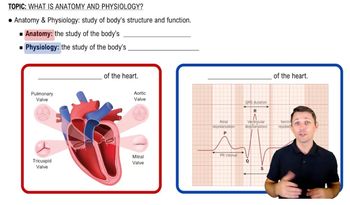
Anatomy is the study of internal and external body structures and their physical relationships. Physiology is the study of how living organisms perform their vital functions.
Gross anatomy studies large structures visible to the naked eye. Microscopic anatomy studies structures seen only with magnification, including cytology (cells) and histology (tissues).
Surface, regional, sectional, systemic, clinical, pathological, radiologic, surgical, developmental anatomy, and embryology.
Cell physiology, organ physiology, systemic physiology, and pathological physiology.
Careful observation, proposing a hypothesis, and testing it through experimentation.
Chemical, cellular, tissue, organ, organ system, and organism levels.
Atoms are the smallest stable units of matter; molecules consist of two or more atoms.
Cells are the smallest living units of the body.
A tissue is a group of cells working together to perform specific functions.
Organs are made of two or more tissues working together to perform specific functions.
A group of organs interacting for a particular function; humans have 11 organ systems.
Word roots, prefixes, suffixes, and combining forms to build terms related to the body in health and disease.
Standard reference position with hands at the sides, palms facing forward, and feet together.
Supine: lying face up; Prone: lying face down.
Right upper quadrant (RUQ), left upper quadrant (LUQ), right lower quadrant (RLQ), left lower quadrant (LLQ).
Right and left hypochondriac, epigastric, right and left lumbar, umbilical, right and left inguinal, and hypogastric (pubic) regions.
A vertical plane dividing the body into anterior and posterior portions.
A vertical plane dividing the body into left and right portions; midsagittal lies in the middle, parasagittal is offset.
A plane dividing the body into superior and inferior portions; a cut here is a transverse or cross section.
Thoracic cavity and abdominopelvic cavity, separated by the diaphragm.
Right and left pleural cavities (lungs), pericardial cavity (heart), and mediastinum (connective tissue mass).
Superior abdominal cavity and inferior pelvic cavity; contains the peritoneal cavity lined by parietal and visceral peritoneum.
Continuous physiological processes that maintain a relatively stable internal environment despite external changes.
Autoregulation (local response) and extrinsic regulation (nervous and endocrine system control).
Receptor (sensor), control center (processes info), and effector (carries out commands).
A regulatory mechanism that opposes variation from normal, negating the original stimulus to maintain variables within a normal range.
A regulatory mechanism that amplifies the original change, used to complete processes quickly to restore homeostasis.
Physiological systems continually adapt and adjust to changing conditions, keeping variables within a normal range that can vary.