Skip to main content
Anatomy & Physiology
나의 코스
배우기
시험 준비
AI 튜터
학습 가이드
교과서적 해결책
플래시카드
탐험해 보세요
앱을 사용해 보세요
나의 코스
배우기
시험 준비
AI 튜터
학습 가이드
교과서적 해결책
플래시카드
탐험해 보세요
앱을 사용해 보세요
뒤로
Introduction to Anatomy & Physiology
카드를 뒤집기 위해 탭할 수 있습니다.
What determines the function of a structure in the body?
카드를 뒤집기 위해 탭할 수 있습니다.
👆
What determines the function of a structure in the body?
The
structure
of a body part determines its
function
.
진행 상황 추적
컨트롤 버튼이 '내비게이션' 모드로 변경되었습니다.
1/21
추천 영상
3:06
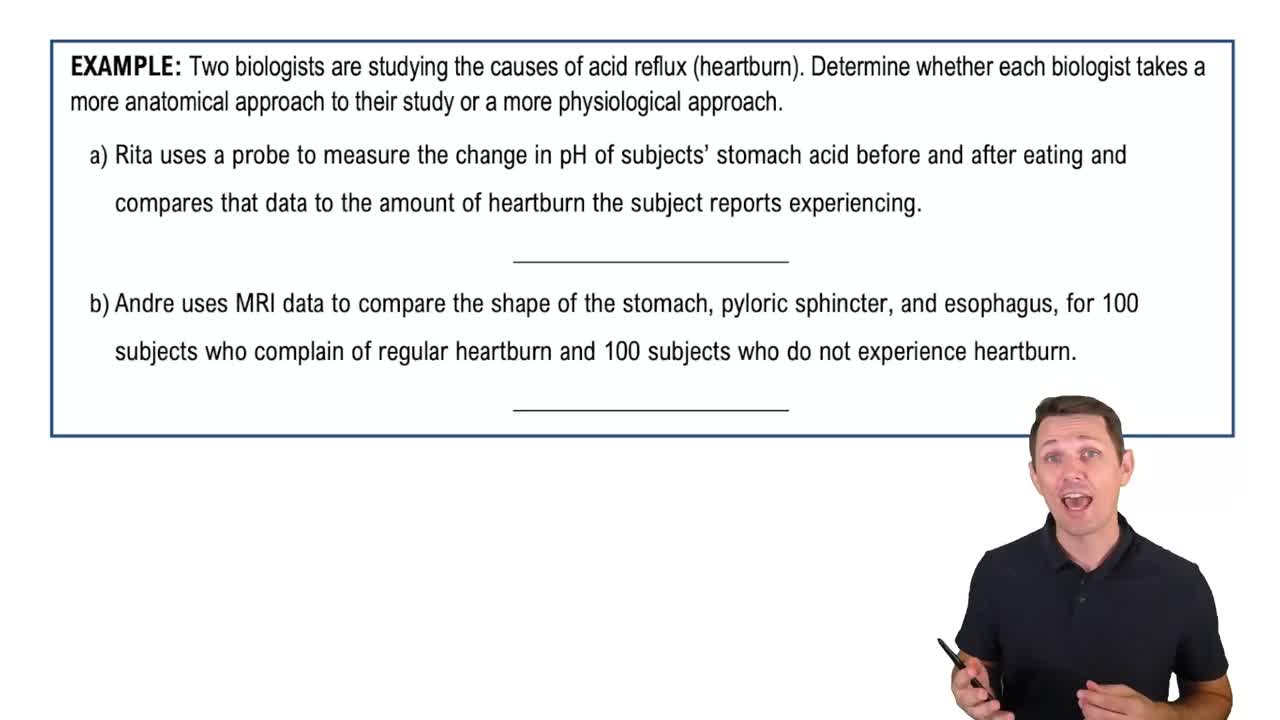
What is Anatomy & Physiology? Example 3
31535
views
739
rank
8
comments
01:58
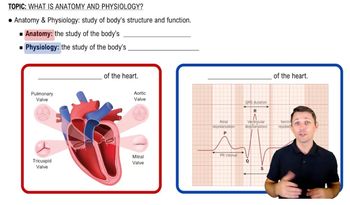
What is Anatomy & Physiology? Example 2
42395
views
2367
rank
03:04
The Difference Between Anatomy and Physiology
83179
views
4028
rank
11
comments
이 집합의 용어 (21)
하이드의 정의
What determines the function of a structure in the body?
The
structure
of a body part determines its
function
.
What is microscopic anatomy?
Microscopic anatomy studies structures that cannot be seen without magnification, using tools like light and electron microscopes.
What are cytology and histology?
Cytology
is the study of cells, and
histology
is the study of tissues.
What is gross anatomy?
Gross anatomy is the study of structures visible to the unaided eye.
Name three types of gross anatomy.
Surface anatomy
(general form),
regional anatomy
(specific body areas), and
systemic anatomy
(organ systems).
What is developmental anatomy?
Developmental anatomy examines structural changes over time, including embryology which studies the first two months of development.
What is clinical anatomy?
Clinical anatomy focuses on pathological changes during illness.
What are the four major elements making up 99% of the human body?
Hydrogen, oxygen, carbon, and nitrogen
.
List the major classes of compounds in the human body.
Water, carbohydrates, proteins, lipids, and nucleic acids
.
What are the levels of organization in the human body from smallest to largest?
Chemical/molecular, cells, tissues, organs, organ systems, organism.
What are the 11 organ systems of the human body?
Integumentary, skeletal, muscular, nervous, endocrine, cardiovascular, lymphoid, respiratory, digestive, urinary, reproductive.
Define responsiveness and adaptability in physiology.
Responsiveness
is a change based on a stimulus;
adaptability
is long-term responsiveness.
What is metabolism?
All chemical reactions in the body, including
anabolism
(bonding chemicals) and
catabolism
(breaking bonds).
What is the anatomical position?
Standing upright, arms at sides, palms facing forward, feet flat, face forward.
What is the difference between supine and prone positions?
Supine
is lying face up;
prone
is lying face down.
Name the three main body planes used in sectional anatomy.
Sagittal, frontal (coronal), and transverse planes.
What is the ventral body cavity and what does it contain?
The ventral cavity houses organs of the respiratory, cardiovascular, digestive, urinary, and reproductive systems.
What separates the thoracic and abdominopelvic cavities?
The
diaphragm
.
What is the function of serous membranes in body cavities?
They protect and lubricate organs within the ventral body cavity.
What are the four abdominopelvic quadrants?
Right upper quadrant (RUQ), left upper quadrant (LUQ), right lower quadrant (RLQ), left lower quadrant (LLQ).
What are the nine abdominopelvic regions?
Right and left hypochondriac, epigastric, right and left lumbar, umbilical, right and left inguinal, hypogastric.
 뒤로뒤로
뒤로뒤로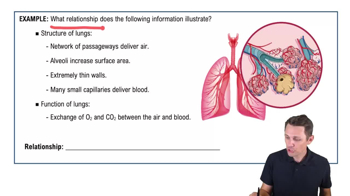
 3:06
3:06