 뒤로
뒤로Introduction to Anatomy and Physiology
 3:06
3:06
이 집합의 용어 (52)
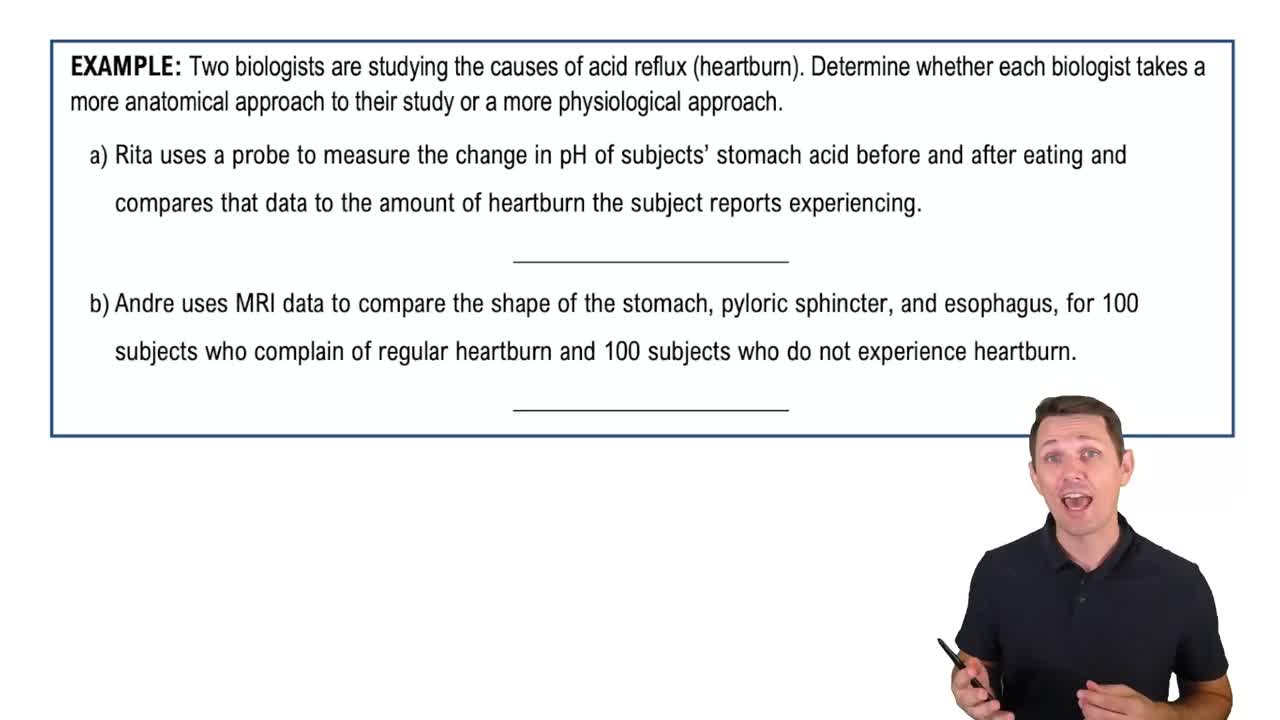
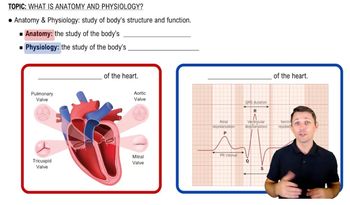
is the study of the structure and shape of the body and its parts.
is the study of the functions of the body parts and the body as a whole.
the cell is the basic unit of life, capable of carrying out all functions of life.
is the sum of all chemical reactions that build up or break down substances in the body.
Growth may lead to an increase in cell size or an increase in cell number.
is the process of removing waste products from the body.
is the ability of an organism to detect and respond to changes in its environment (being able to react to stimuli).
occurs as cellular division for growth and repair, and production of a new organism.
Chemicals range in size from tiny atoms to complex structures called molecule
Groups of several different types of molecules combine in specific ways to form structures
are groups of two or more cell types working together to perform a common function.
is a structure composed of two or more tissue types that work together to perform specific functions.
The human body has 11 organ systems that work together to maintain life.
studies the body by organ systems, such as the cardiovascular or nervous system.
studies all structures in a specific body region, like the head or chest.
studies structures too small to be seen with the naked eye, including histology (tissues) and cytology (cells).
standing upright, facing forward, feet flat, arms at sides with palms facing forward.
refers to the front of the body or body part.
refers to the back of the body or body part.
Proximal means closer to the point of attachment or origin; distal means farther from it.
The two major body cavities are the dorsal cavity and the ventral cavity.
it protects the brain (cranial cavity) and spinal cord (vertebral cavity).
The diaphragm separates the thoracic cavity from the abdominopelvic cavity.
The mediastinum contains the heart, esophagus, trachea, and thymus. (no serous membrane)
Serous fluid reduces friction between the layers of serous membranes during organ movement.
is the maintenance of a stable internal environment despite external changes.
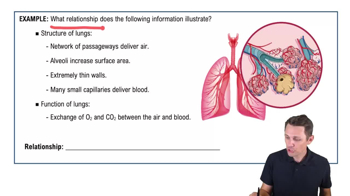
The principle states that structure follows function, meaning anatomy and physiology are closely linked.
Gradients (differences in concentration, temperature, or pressure) drive many physiological processes.
Negative feedback loops oppose changes to maintain stability; positive feedback loops reinforce changes until a specific event occurs.
what are tissues two components?
cells and the surrounding extracellular matrix
Surface anatomy
study of the surface markings of the human body
gross anatomy
study of structures that can can be seen with the un-aided eye.
histology
study of tissue
cytology
study of cells
What is the difference between medial and lateral?
Medial is a position closer to the center of the body; lateral is a position that is further from the midline.
What does the axial region include?
head, shoulder, and trunk
what does the appendicular region include?
upper and lower limbs or appendages
sagittal plane and midsagittal plane
sagittal plane separates the body into left and right sections; midsagittal splits the body down the midline into left and right sections.
frontal plane
divides body into anterior and posterior sections
transverse plane
splits body into superior and inferior halves
the thoracic cavity is divided into these smaller cavities
plural cavities, mediastinum, and pericardial cavity
how is the abdominopelvic cavity divided?
the superior abdominal cavity, diaphragm, pelvic cavity
what is the visceral layer?
layer of the serous membrane that in contact with the organ.
What is the parietal layer?
the outermost layer of the serous membrane
pleura membrane
contours the thoracic wall with a parietal and visceral layer that surrounds the lungs
pericardium membrane
separates the heart from the mediastinum and surrounds the heart
peritoneum membrane
surrounds some of the abdominal organs - space between the layers (visceral and peri) contains the peritoneal cavity
temperature gradient
exists when the heater is closer to the heater itself
concentration gradient
the amount of substance changes over the range
pressure gradient
exists when there is pressure inside a syringe but not outside of it
how does communication usually happen in the body
with nerve cells or muscle cells, in which one cell triggers a response from another cell.
what are the characteristics of a living organism?
movement, response to stimuli, reproduction, excretion, metabolism, cellular composition, growth.