Ch. 24 The Urinary System
Amerman - Human Anatomy & Physiology 2nd Edition
Amerman2nd EditionHuman Anatomy & PhysiologyISBN: 9780136873822당신이 사용하는 게 아니라요?교과서 변경
24장, 문제 L2.3

Explain why urinary tract infections, which involve the urethra and urinary bladder, are much more common in females than males.

검증된 단계별 안내
1
Understand the anatomical differences between the male and female urinary systems. The urethra in females is significantly shorter (approximately 3-4 cm) compared to males (approximately 20 cm). This shorter length provides a shorter pathway for bacteria to travel to the bladder.
Recognize the proximity of the female urethral opening to the anus and vaginal opening. This close anatomical relationship increases the likelihood of bacterial contamination, particularly from Escherichia coli (E. coli), which is commonly found in the gastrointestinal tract.
Consider the role of hygiene and external factors. In females, improper wiping techniques (e.g., wiping from back to front) can introduce bacteria from the anal region to the urethral opening, increasing the risk of infection.
Acknowledge the absence of a prostate gland in females. In males, the prostate gland produces antimicrobial secretions that can help reduce the risk of bacterial infections in the urinary tract. Females lack this protective mechanism.
Understand that hormonal changes in females, such as those occurring during pregnancy or menopause, can alter the vaginal and urethral environment, potentially making it more conducive to bacterial growth and increasing susceptibility to urinary tract infections.

비슷한 문제에 대한 검증된 영상 답변:

이 영상 해법은 위 문제에 도움이 된다고 튜터들이 추천한 것입니다.
도움이 되었나요?

주요 개념

질문에 올바르게 답하기 위해 반드시 이해해야 하는 핵심 개념들은 다음과 같습니다.

Anatomical Differences

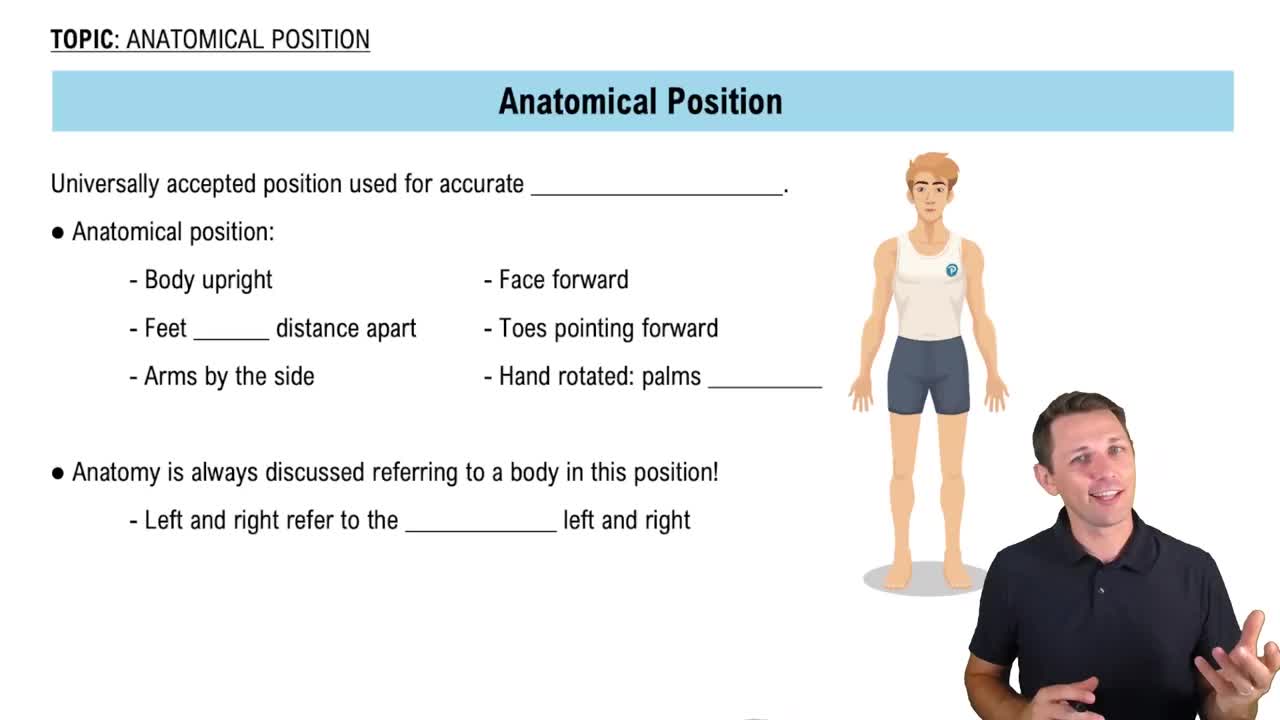
The anatomical structure of the female urinary system contributes significantly to the higher incidence of urinary tract infections (UTIs). In females, the urethra is shorter and located closer to the anus, which facilitates the easier entry of bacteria into the urinary tract compared to males, whose longer urethra provides a greater distance for bacteria to travel.
추천 영상:
가이드 코스
02:40
Anatomical Position

Hormonal Influences

Hormonal differences, particularly the influence of estrogen, play a role in the susceptibility to UTIs. Estrogen helps maintain the health of the vaginal flora and the integrity of the urinary tract lining. Fluctuations in hormone levels, such as during menstruation or menopause, can alter this balance, increasing the risk of infections in females.
추천 영상:
가이드 코스
13:06
Review of Major Hormones

Behavioral Factors

Certain behavioral factors also contribute to the higher prevalence of UTIs in females. Women are more likely to engage in activities that can introduce bacteria into the urinary tract, such as sexual intercourse. Additionally, hygiene practices and the use of certain products can affect the risk of developing UTIs, making awareness and preventive measures crucial.
추천 영상:
03:48
Environmental Factors Affecting Enzyme Activity