Ch. 9 The Muscular System
Amerman - Human Anatomy & Physiology 2nd Edition
Amerman2nd EditionHuman Anatomy & PhysiologyISBN: 9780136873822당신이 사용하는 게 아니라요?교과서 변경
9장, 문제 L3.5b

Ms. Hendrix suffered a severe hip fracture that required hip replacement surgery. After an extended recovery period, she is undergoing physical therapy to regain strength and mobility.
Which muscles were likely affected by the hip replacement surgery, and to which parts of the bone do they attach?

검증된 단계별 안내
1
Identify the major muscles involved in hip movement and stability. These include the gluteal muscles (gluteus maximus, gluteus medius, and gluteus minimus), the iliopsoas group (iliacus and psoas major), and smaller muscles like the piriformis, obturator internus, and quadratus femoris.
Understand the anatomical attachments of these muscles. For example, the gluteus maximus attaches to the posterior ilium, sacrum, and coccyx, and inserts into the iliotibial tract and gluteal tuberosity of the femur. The gluteus medius and minimus attach to the lateral surface of the ilium and insert into the greater trochanter of the femur.
Consider the surgical procedure for hip replacement. During surgery, muscles such as the gluteus medius and minimus may be retracted or affected to access the hip joint. The iliopsoas group, which attaches to the lesser trochanter of the femur, may also be impacted depending on the surgical approach.
Examine the role of these muscles in hip movement. The gluteal muscles are responsible for abduction, extension, and rotation of the hip, while the iliopsoas group is critical for hip flexion. Damage or disruption to these muscles can affect mobility and strength post-surgery.
Relate the physical therapy goals to the affected muscles. Therapy will focus on strengthening the gluteal muscles, improving flexibility in the iliopsoas group, and restoring range of motion in the hip joint. Exercises will target these muscle groups to facilitate recovery and regain function.

비슷한 문제에 대한 검증된 영상 답변:

이 영상 해법은 위 문제에 도움이 된다고 튜터들이 추천한 것입니다.
도움이 되었나요?

주요 개념

질문에 올바르게 답하기 위해 반드시 이해해야 하는 핵심 개념들은 다음과 같습니다.

Hip Musculature

The hip joint is surrounded by several key muscles, including the gluteus maximus, gluteus medius, iliopsoas, and quadriceps. These muscles are crucial for hip movement and stability. Following hip replacement surgery, these muscles may be weakened or affected due to surgical intervention and immobilization during recovery.
추천 영상:
가이드 코스
02:47
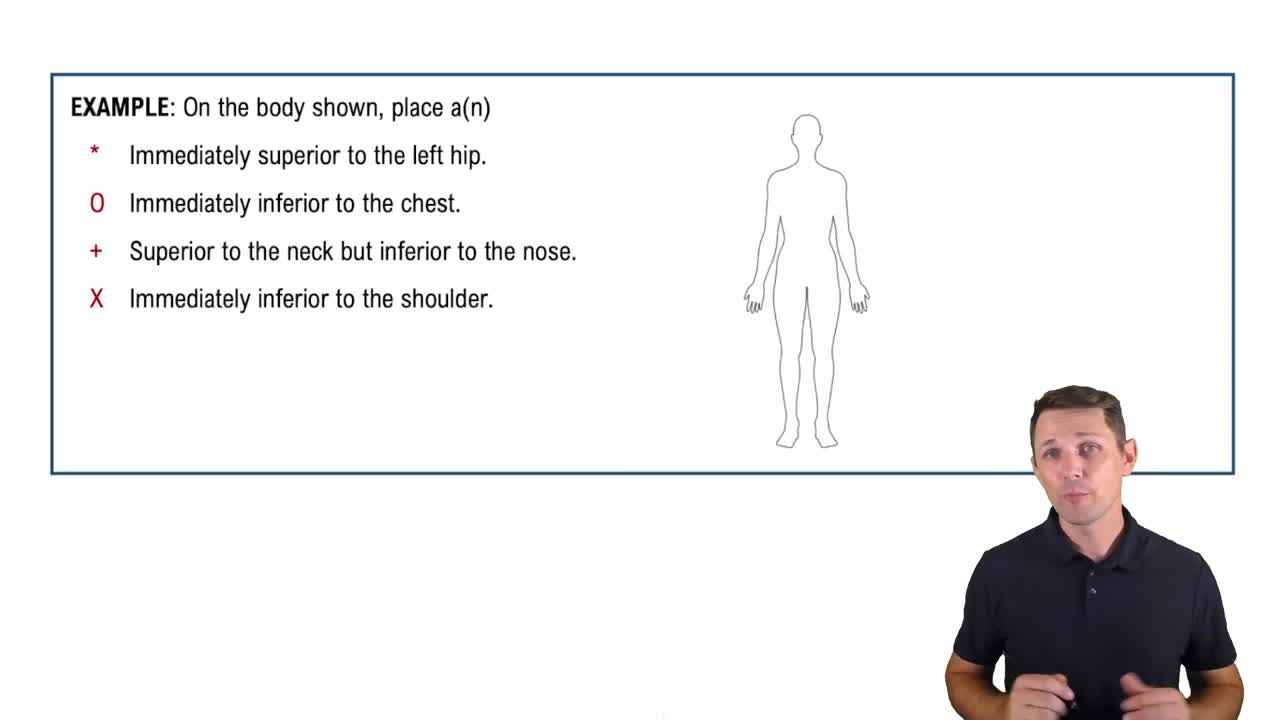
Directional Terms: Up and Down Example 1

Muscle Attachment Points

Muscles attach to bones via tendons, and their attachment points are critical for movement. For instance, the gluteus maximus attaches to the posterior aspect of the ilium and the femur, while the iliopsoas connects to the lumbar vertebrae and the lesser trochanter of the femur. Understanding these attachment points helps in assessing the impact of surgery on muscle function.
추천 영상:
가이드 코스
3:55
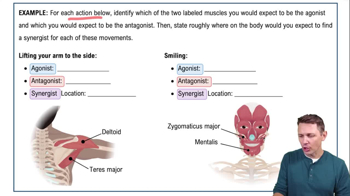
Muscle Actions Example 1

Rehabilitation Post-Surgery

Post-surgical rehabilitation is essential for restoring strength and mobility after hip replacement. Physical therapy focuses on exercises that target the affected muscles, improve range of motion, and enhance functional mobility. Knowledge of which muscles were impacted allows therapists to tailor rehabilitation programs effectively.
추천 영상:
04:26
Post-Translational Modification