

Ch. 14 The Autonomic Nervous System and Homeostasis
Amerman- Human Anatomy & Physiology 3e
Amerman3rd EditionHuman Anatomy & PhysiologyISBN: 9780138247201, 9780138247928, 9780138201814당신이 사용하는 게 아니라요?교과서 변경
14장, 문제 L2.2

You are running a race to the top of a mountain. Explain all the changes your sympathetic nervous system will initiate to maintain homeostasis as you run the race.

검증된 단계별 안내
1
The sympathetic nervous system (SNS) activates the 'fight or flight' response to prepare the body for physical exertion. It signals the adrenal medulla to release epinephrine and norepinephrine, which act as hormones to increase heart rate and blood pressure, ensuring that oxygen and nutrients are delivered efficiently to muscles.
The SNS causes bronchodilation in the lungs, widening the airways to increase oxygen intake. This ensures that the respiratory system can meet the increased oxygen demand of the muscles during the race.
Blood flow is redirected by the SNS. Vasoconstriction occurs in non-essential areas like the digestive system, while vasodilation occurs in skeletal muscles, ensuring that blood is prioritized for areas actively involved in running.
The SNS stimulates glycogenolysis in the liver and lipolysis in adipose tissue, breaking down glycogen and fat stores to release glucose and fatty acids into the bloodstream. These serve as energy sources for the muscles during prolonged physical activity.
Sweat glands are activated by the SNS to produce sweat, which helps regulate body temperature and prevent overheating as the body generates heat during the race.

비슷한 문제에 대한 검증된 영상 답변:

이 영상 해법은 위 문제에 도움이 된다고 튜터들이 추천한 것입니다.

주요 개념

질문에 올바르게 답하기 위해 반드시 이해해야 하는 핵심 개념들은 다음과 같습니다.

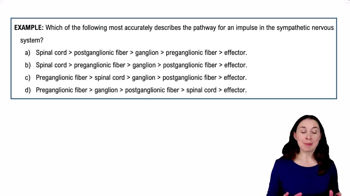
Sympathetic Nervous System

The sympathetic nervous system is a part of the autonomic nervous system responsible for the body's 'fight or flight' response. During stressful situations, such as running a race, it activates physiological changes to prepare the body for increased physical activity, including increased heart rate, dilation of airways, and enhanced blood flow to muscles.
추천 영상:
1:21
Sympathetic Nervous System Example 3

Homeostasis

Homeostasis refers to the body's ability to maintain a stable internal environment despite external changes. During intense physical activity, the body must regulate factors such as temperature, pH, and electrolyte balance to ensure optimal functioning, which is crucial for performance and overall health.
추천 영상:
01:59
Introduction to Homeostasis

Physiological Changes During Exercise

During exercise, the body undergoes several physiological changes to support increased energy demands. These include elevated heart rate and blood pressure, increased respiratory rate for oxygen intake, and the release of hormones like adrenaline, which enhance energy availability and mobilize fat stores for fuel.
추천 영상:
8:33
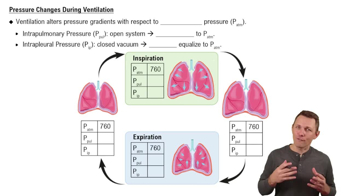
Pressure Changes During Ventilation