Ch. 17 The Cardiovascular System I: The Heart
Amerman- Human Anatomy & Physiology 3e
Amerman3rd EditionHuman Anatomy & PhysiologyISBN: 9780138247201, 9780138247928, 9780138201814당신이 사용하는 게 아니라요?교과서 변경
17장, 문제 L3.3

Mr. Watson has been diagnosed with mitral insufficiency, or a malfunctioning mitral valve, which causes the valve to not close properly. Predict the signs and symptoms you might expect from a disease of this valve. What would happen to the patient's stroke volume and cardiac output? Explain. What might help improve his cardiac output?

검증된 단계별 안내
1
Understand the function of the mitral valve: The mitral valve is located between the left atrium and left ventricle of the heart. Its primary role is to prevent backflow of blood into the left atrium during ventricular contraction (systole). Mitral insufficiency means the valve does not close properly, leading to regurgitation of blood into the left atrium.
Predict the signs and symptoms: Mitral insufficiency can lead to symptoms such as fatigue, shortness of breath (especially during exertion or lying down), palpitations, and swelling in the legs or feet. These symptoms arise due to reduced efficiency in blood circulation and increased pressure in the pulmonary circulation.
Analyze the impact on stroke volume and cardiac output: Stroke volume refers to the amount of blood ejected by the left ventricle during each contraction. In mitral insufficiency, some blood regurgitates into the left atrium, reducing the effective stroke volume. Cardiac output, which is calculated as stroke volume multiplied by heart rate (CO=SV×HR), may also decrease as a result of the reduced stroke volume.
Consider compensatory mechanisms: The heart may attempt to compensate for the reduced stroke volume by increasing the heart rate or by hypertrophy (enlargement) of the left ventricle to pump more blood. However, these compensatory mechanisms can lead to further complications over time, such as heart failure.
Explore treatment options to improve cardiac output: Medications such as diuretics can reduce fluid buildup and ease symptoms, while vasodilators can lower blood pressure and reduce the workload on the heart. Surgical interventions, such as mitral valve repair or replacement, may be necessary to restore proper valve function and improve cardiac output.

비슷한 문제에 대한 검증된 영상 답변:

이 영상 해법은 위 문제에 도움이 된다고 튜터들이 추천한 것입니다.
도움이 되었나요?

주요 개념

질문에 올바르게 답하기 위해 반드시 이해해야 하는 핵심 개념들은 다음과 같습니다.

Mitral Insufficiency

Mitral insufficiency, also known as mitral regurgitation, occurs when the mitral valve fails to close completely during ventricular contraction. This leads to the backflow of blood from the left ventricle into the left atrium, causing volume overload and potentially leading to symptoms such as shortness of breath, fatigue, and palpitations. Understanding this condition is crucial for predicting its effects on cardiac function.
추천 영상:
7:54
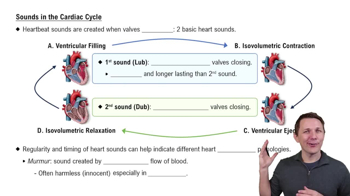
Sounds in the Cardiac Cycle

Stroke Volume and Cardiac Output

Stroke volume is the amount of blood ejected by the heart with each beat, while cardiac output is the total volume of blood the heart pumps per minute. In mitral insufficiency, stroke volume may initially increase due to the backflow of blood, but over time, the heart may struggle to maintain adequate output, leading to decreased cardiac efficiency. This relationship is vital for understanding the patient's overall cardiovascular health.
추천 영상:
6:28
Lung Volumes

Management of Cardiac Output

Improving cardiac output in patients with mitral insufficiency can involve various strategies, including medications like diuretics to reduce fluid overload, vasodilators to decrease afterload, or surgical interventions such as valve repair or replacement. These approaches aim to enhance the heart's ability to pump effectively and alleviate symptoms, making it essential to consider them in the management plan.
추천 영상:
9:44
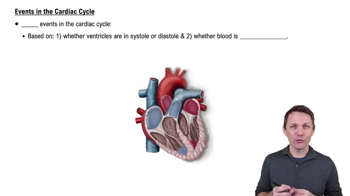
Events in the Cardiac Cycle