Ch. 19 Blood
Amerman- Human Anatomy & Physiology 3e
Amerman3rd EditionHuman Anatomy & PhysiologyISBN: 9780138247201, 9780138247928, 9780138201814당신이 사용하는 게 아니라요?교과서 변경
19장, 문제 L3.3c

Predict the effects of each of the following on systemic arterial blood pressure:
Blood loss from a bleeding ulcer

검증된 단계별 안내
1
Understand the relationship between blood volume and systemic arterial blood pressure: Blood pressure is directly influenced by blood volume. A decrease in blood volume reduces the amount of blood available to exert pressure on arterial walls.
Recognize the physiological response to blood loss: Blood loss from a bleeding ulcer leads to hypovolemia (low blood volume), which can decrease venous return to the heart and subsequently reduce cardiac output.
Analyze the role of cardiac output in blood pressure regulation: Systemic arterial blood pressure is determined by the formula: P=Q×R, where P is blood pressure, Q is cardiac output, and R is systemic vascular resistance. A decrease in cardiac output due to reduced venous return will lower blood pressure.
Consider compensatory mechanisms: The body may attempt to compensate for the drop in blood pressure through mechanisms such as vasoconstriction (narrowing of blood vessels) and increased heart rate, mediated by the sympathetic nervous system and hormones like epinephrine.
Evaluate the overall effect: If the blood loss is significant and compensatory mechanisms are insufficient, systemic arterial blood pressure will decrease, potentially leading to hypotension and shock.

비슷한 문제에 대한 검증된 영상 답변:

이 영상 해법은 위 문제에 도움이 된다고 튜터들이 추천한 것입니다.

주요 개념

질문에 올바르게 답하기 위해 반드시 이해해야 하는 핵심 개념들은 다음과 같습니다.

Blood Volume and Pressure Relationship

Blood volume is directly related to systemic arterial blood pressure; a decrease in blood volume typically leads to a drop in blood pressure. When blood is lost, such as from a bleeding ulcer, the overall volume of circulating blood decreases, which can result in hypotension, or low blood pressure.
추천 영상:
5:46
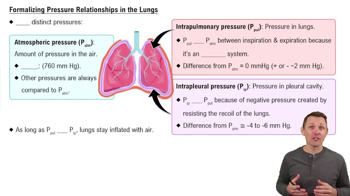
Formalizing Pressure Relationships in the Lungs

Compensatory Mechanisms

The body has several compensatory mechanisms to counteract low blood pressure, including increased heart rate and vasoconstriction. These responses are mediated by the autonomic nervous system and hormones like adrenaline, which aim to maintain adequate blood flow to vital organs despite blood loss.
추천 영상:
3:02
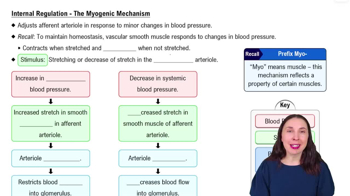
Internal Regulation - The Myogenic Mechanism

Shock and Its Stages

Shock is a critical condition that occurs when the body does not get enough blood flow, leading to inadequate oxygen delivery to tissues. In the case of significant blood loss, the body may progress through stages of shock, starting with compensatory mechanisms and potentially leading to irreversible shock if blood pressure remains low and organ perfusion is compromised.
추천 영상:
가이드 코스
02:28
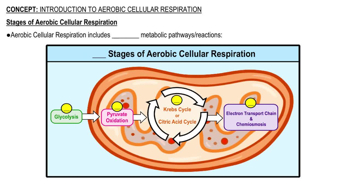
Stages of Aerobic Cellular Respiration
관련 실천
교과서 질문

Ms. Wu, whose blood type is O−, requires a blood transfusion. Her family members volunteer to donate blood. Their blood types are as follows: her son, type B−; her husband, type B+; her daughter, type O+. Which family members could safely donate blood to Ms. Wu? Who could not? Explain.

959
views
1
rank
교과서 질문

Mark the following statements as true or false. If a statement is false, correct it to make a true statement.

The main function of erythrocytes is to transport oxygen on the protein hemoglobin.

1025
views
교과서 질문

A blood sample from your patient shows that she has decreased numbers of neutrophils. Predict the effects of this condition. How would it differ if numbers of T lymphocytes were decreased instead?

793
views
교과서 질문

Mr. Jackson presents to the emergency room with a minor wound that has bled for several days. An examination of his medical history reveals that Mr. Jackson has hemophilia A, which is caused by a deficiency of factor VIII. Your co-worker suggests that you give Mr. Jackson some platelets to stop the bleeding. Will this help your patient? Why or why not?

612
views
교과서 질문

Mark the following statements as true or false. If a statement is false, correct it to make a true statement.

Hemoglobin forms oxyhemoglobin when it binds to oxygen.

980
views
교과서 질문

Mark the following statements as true or false. If a statement is false, correct it to make a true statement.

Erythrocytes are biconcave discs with prominent nuclei.

993
views