Ch. 25 Fluid, Electrolyte, and Acid-Base Homeostasis
Amerman- Human Anatomy & Physiology 3e
Amerman3rd EditionHuman Anatomy & PhysiologyISBN: 9780138247201, 9780138247928, 9780138201814당신이 사용하는 게 아니라요?교과서 변경
25장, 문제 1

List the effects of each of the following hormones on electrolyte balance. Note that some hormones affect more than one electrolyte.
a. Angiotensin-II
b. Aldosterone
c. Parathyroid hormone
d. Vitamin D
e. Atrial natriuretic peptide

검증된 단계별 안내
1
Understand that the problem is asking for the effects of specific hormones on electrolyte balance. Electrolytes include ions like sodium (Na⁺), potassium (K⁺), calcium (Ca²⁺), and others. Each hormone listed has distinct roles in regulating these ions.
For Angiotensin-II: Explain that this hormone stimulates the reabsorption of sodium (Na⁺) in the kidneys, which indirectly promotes water retention. It also stimulates the release of aldosterone and can cause vasoconstriction, which helps maintain blood pressure and electrolyte balance.
For Aldosterone: Describe how this hormone acts on the distal tubules and collecting ducts of the kidneys to increase sodium (Na⁺) reabsorption and potassium (K⁺) excretion. This helps regulate blood pressure and maintain sodium-potassium balance.
For Parathyroid Hormone (PTH): Explain that PTH increases calcium (Ca²⁺) levels in the blood by stimulating calcium reabsorption in the kidneys, promoting calcium release from bones, and enhancing calcium absorption in the intestines (indirectly via activation of Vitamin D).
For Atrial Natriuretic Peptide (ANP): Describe how ANP promotes the excretion of sodium (Na⁺) and water in the urine by inhibiting sodium reabsorption in the kidneys. This reduces blood volume and pressure. It also inhibits the release of aldosterone and renin, further affecting electrolyte balance.

비슷한 문제에 대한 검증된 영상 답변:

이 영상 해법은 위 문제에 도움이 된다고 튜터들이 추천한 것입니다.

주요 개념

질문에 올바르게 답하기 위해 반드시 이해해야 하는 핵심 개념들은 다음과 같습니다.

Electrolyte Balance

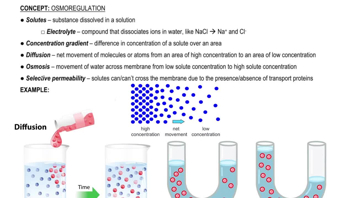
Electrolyte balance refers to the proper concentration of ions in body fluids, which is crucial for various physiological functions, including nerve conduction, muscle contraction, and hydration. Key electrolytes include sodium, potassium, calcium, and chloride. Hormones regulate these levels by influencing absorption, excretion, and distribution of electrolytes in the body.
추천 영상:
가이드 코스
07:59
Osmosis and Osmolarity

Hormonal Regulation

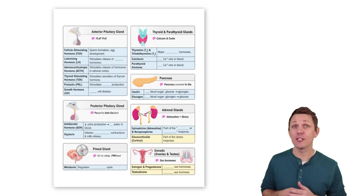
Hormonal regulation involves the control of physiological processes through hormones, which are chemical messengers secreted by glands. In the context of electrolyte balance, hormones like aldosterone and angiotensin-II play significant roles in promoting sodium retention and potassium excretion, thereby influencing blood pressure and fluid balance.
추천 영상:
13:06
Review of Major Hormones

Renin-Angiotensin-Aldosterone System (RAAS)

The Renin-Angiotensin-Aldosterone System (RAAS) is a hormone system that regulates blood pressure and fluid balance. When blood volume is low, renin is released, leading to the production of angiotensin-II, which stimulates aldosterone secretion. Aldosterone then promotes sodium reabsorption in the kidneys, affecting electrolyte levels and blood pressure.
추천 영상:
가이드 코스
11:30
Renin-Angiotensin-Aldosterone-System