Ch. 5 The Integumentary System
Amerman- Human Anatomy & Physiology 3e
Amerman3rd EditionHuman Anatomy & PhysiologyISBN: 9780138247201, 9780138247928, 9780138201814당신이 사용하는 게 아니라요?교과서 변경
5장, 문제 L3.A1

You are working in the emergency department when paramedics rush in with an unconscious patient. You notice that the patient is wearing athletic clothing and the skin on his face and elsewhere on his body is bright red. The paramedics tell you that he was picked up after collapsing during a bike race. What does the color of the patient's skin tell you about the probable cause of his illness? Explain.

검증된 단계별 안내
1
The bright red color of the patient's skin suggests an increased level of oxygenated blood in the capillaries near the surface of the skin. This is often associated with vasodilation, which can occur in response to heat or other physiological stressors.
Consider the context of the patient collapsing during a bike race. Prolonged physical exertion in a hot environment can lead to heat-related illnesses, such as heat exhaustion or heat stroke. These conditions can cause vasodilation as the body attempts to cool itself by increasing blood flow to the skin.
Heat stroke, in particular, is a medical emergency and can present with symptoms such as confusion, unconsciousness, and a lack of sweating despite high body temperature. The bright red skin could indicate that the body is struggling to regulate its temperature.
Evaluate other potential causes of bright red skin, such as carbon monoxide poisoning, which can also cause a cherry-red appearance. However, given the context of a bike race and physical exertion, heat-related illness is more likely.
To confirm the diagnosis, assess the patient's core body temperature, check for other signs of heat stroke (e.g., dry skin, altered mental status), and inquire about environmental conditions during the race. Immediate cooling measures and supportive care should be initiated while further diagnostic tests are performed.

비슷한 문제에 대한 검증된 영상 답변:

이 영상 해법은 위 문제에 도움이 된다고 튜터들이 추천한 것입니다.
도움이 되었나요?

주요 개념

질문에 올바르게 답하기 위해 반드시 이해해야 하는 핵심 개념들은 다음과 같습니다.

Hyperthermia

Hyperthermia occurs when the body absorbs more heat than it can dissipate, leading to an elevated body temperature. In athletic contexts, such as during a bike race, excessive physical exertion in hot conditions can cause this condition. The bright red skin observed in the patient may indicate overheating, as blood vessels dilate to release heat, resulting in flushed skin.
추천 영상:
03:46
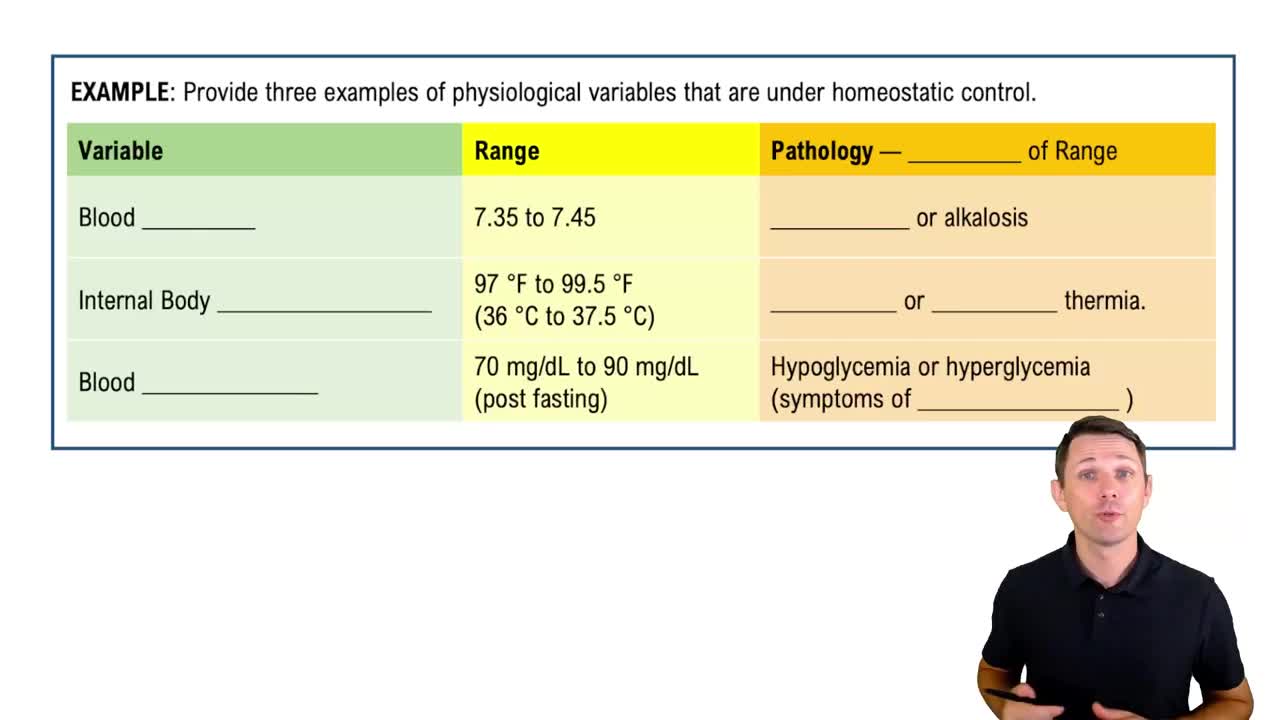
Homeostasis Example 1

Heat Exhaustion vs. Heat Stroke

Heat exhaustion and heat stroke are two heat-related illnesses that can occur during intense physical activity. Heat exhaustion is characterized by heavy sweating, weakness, and confusion, while heat stroke is more severe, leading to a high body temperature and potential loss of consciousness. The patient's unconscious state and bright red skin suggest a possible progression to heat stroke, which is a medical emergency.
추천 영상:
가이드 코스
03:25
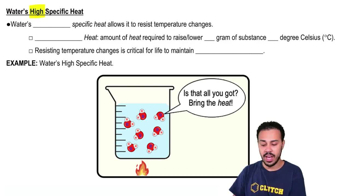
Water’s High Specific Heat

Signs of Dehydration

Dehydration can occur during prolonged physical activity, especially in hot weather, and can exacerbate conditions like hyperthermia. Symptoms include dry skin, dizziness, and confusion. The bright red skin may also indicate that the patient is dehydrated, as the body struggles to regulate temperature and maintain adequate blood flow, leading to a compromised state of health.
추천 영상:
가이드 코스
04:19
Building & Breaking-Down Polymers
관련 실천
교과서 질문

Which of the following is not a function of the integument?

a. Protection from mechanical trauma

b. Thermoregulation

c. Protection from acid-base imbalances

d. Vitamin D synthesis

1034
views
교과서 질문

Which of the following correctly describes the structure of the skin?

a. It consists of the superficial epidermis, middle dermis, and deep hypodermis.

b. It consists of the superficial epidermis and deep dermis.

c. It consists of the superficial dermis and deep epidermis.

d. It consists of the superficial dermis and deep hypodermis.

1055
views
교과서 질문

Another feature of CIPA is anhidrosis, or the inability to sweat. Explain why Maria's inability to produce sweat could potentially be life-threatening.

837
views
교과서 질문

After Ramon's skin came into contact with a poison ivy plant in biology lab, he developed a painful, itchy rash. However, after the skin of his colleague Cathy came into contact with snake venom in the lab, she developed no skin irritation. Poison ivy plants contain lipid-soluble oils, whereas snake venoms contain mostly water-soluble peptides. Explain why Ramon developed a rash, whereas Cathy did not.

853
views
교과서 질문

Many antiaging skin creams contain collagen and hyaluronic acid. Manufacturers claim that the collagen and hyaluronic acid applied to the surface of the skin will be absorbed into the dermis, where they will be incorporated into dermal tissue.

What are collagen and hyaluronic acid, and what are their functions?

811
views
1
rank
교과서 질문

Many antiaging skin creams contain collagen and hyaluronic acid. Manufacturers claim that the collagen and hyaluronic acid applied to the surface of the skin will be absorbed into the dermis, where they will be incorporated into dermal tissue.

Are these substances polar or nonpolar?

626
views