

Ch. 6 Bones and Bone Tissue
Amerman- Human Anatomy & Physiology 3e
Amerman3rd EditionHuman Anatomy & PhysiologyISBN: 9780138247201, 9780138247928, 9780138201814당신이 사용하는 게 아니라요?교과서 변경
6장, 문제 13b

Explain the effect that the following hormones have on growth of bone tissue:
b. Testosterone

검증된 단계별 안내
1
Testosterone is a steroid hormone primarily produced in the testes in males and in smaller amounts in the ovaries in females. It plays a significant role in bone growth and development, particularly during puberty.
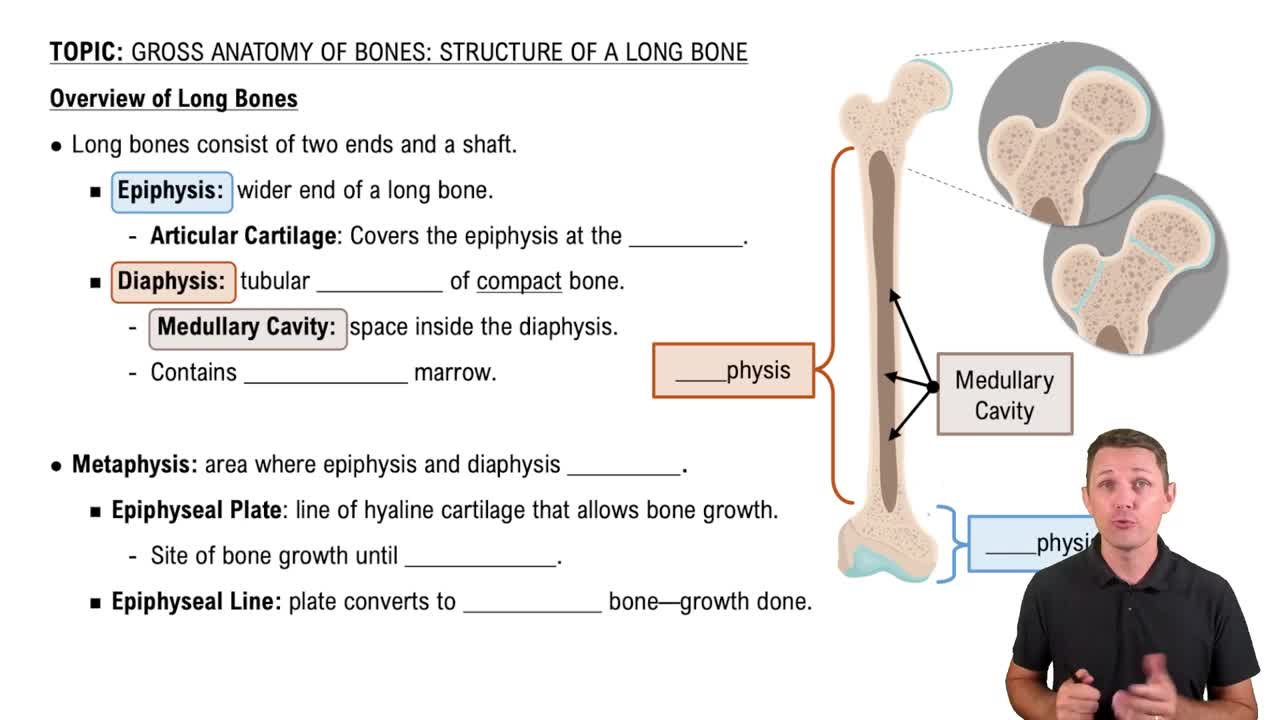
During puberty, testosterone stimulates the growth of long bones by increasing the activity of osteoblasts (bone-forming cells) in the epiphyseal (growth) plates of bones. This leads to an increase in bone length and overall skeletal growth.
Testosterone also promotes the deposition of calcium and other minerals into the bone matrix, enhancing bone density and strength. This process is known as bone mineralization.
As testosterone levels peak and then stabilize, it contributes to the closure of the epiphyseal plates, marking the end of longitudinal bone growth. This is why growth in height typically ceases after puberty.
In adulthood, testosterone continues to play a role in maintaining bone health by supporting bone remodeling, a process where old bone tissue is replaced with new tissue to maintain bone strength and integrity.

비슷한 문제에 대한 검증된 영상 답변:

이 영상 해법은 위 문제에 도움이 된다고 튜터들이 추천한 것입니다.
도움이 되었나요?

주요 개념

질문에 올바르게 답하기 위해 반드시 이해해야 하는 핵심 개념들은 다음과 같습니다.

Testosterone and Bone Growth

Testosterone is a steroid hormone that plays a crucial role in the development and maintenance of bone tissue. It promotes the proliferation of osteoblasts, the cells responsible for bone formation, and enhances the mineralization process, leading to increased bone density. Additionally, testosterone influences the balance between bone resorption and formation, favoring bone growth, particularly during puberty when growth spurts occur.
추천 영상:
가이드 코스
6:19
Overview of Long Bones

Osteoblasts and Osteoclasts

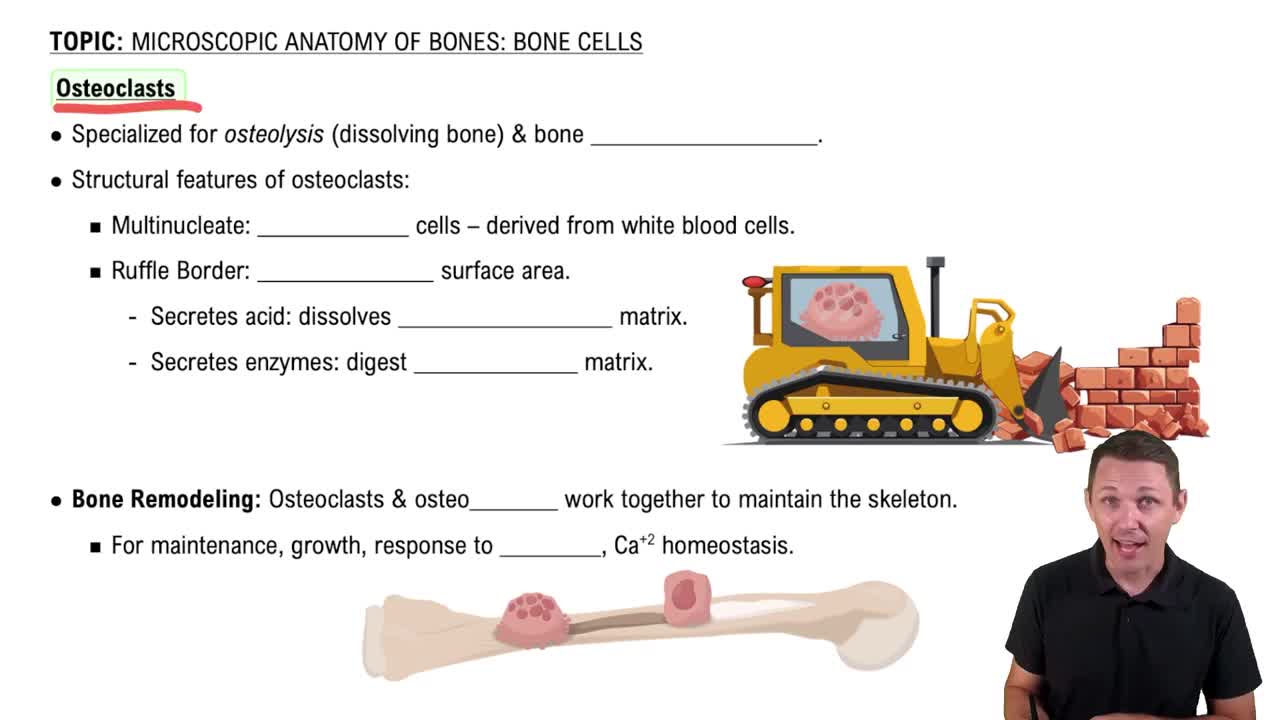
Osteoblasts are specialized cells that synthesize new bone matrix and facilitate the mineralization of bone, while osteoclasts are responsible for bone resorption, breaking down bone tissue. The interplay between these two cell types is essential for maintaining bone health and density. Testosterone's effect on increasing osteoblast activity and decreasing osteoclast activity contributes to overall bone growth and strength.
추천 영상:

Hormonal Regulation of Bone Metabolism

Bone metabolism is regulated by a complex interplay of hormones, including testosterone, estrogen, parathyroid hormone, and calcitonin. These hormones work together to maintain bone homeostasis, influencing processes such as bone remodeling, growth, and repair. Understanding how testosterone interacts with these other hormones is vital for comprehending its specific role in bone tissue growth and overall skeletal health.
추천 영상:
02:17
Introduction to Metabolism