Ch. 6 Bones and Bone Tissue
Amerman- Human Anatomy & Physiology 3e
Amerman3rd EditionHuman Anatomy & PhysiologyISBN: 9780138247201, 9780138247928, 9780138201814당신이 사용하는 게 아니라요?교과서 변경
6장, 문제 L3.4

Fouz Akkad is a 6-year-old girl who has been diagnosed with a rare genetic defect in which her lysosomes are unable to maintain an acidic pH. What are lysosomes? Why do lysosomes require an acidic pH? How will this affect the ability of certain bone cells to function? What consequences will this disease have on Fouz's bones?

검증된 단계별 안내
1
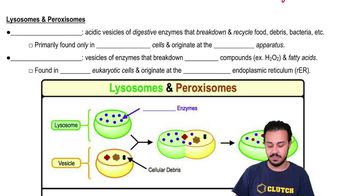
Lysosomes are membrane-bound organelles found in eukaryotic cells that contain hydrolytic enzymes responsible for breaking down macromolecules, cellular debris, and pathogens. They play a critical role in cellular digestion and recycling processes.
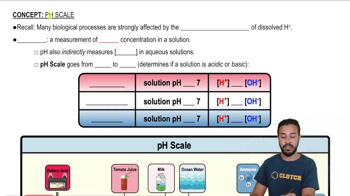
Lysosomes require an acidic pH (around 4.5-5.0) because their hydrolytic enzymes, such as proteases, lipases, and nucleases, are optimized to function in acidic conditions. This acidic environment is maintained by proton pumps (H⁺-ATPases) that actively transport hydrogen ions into the lysosome.
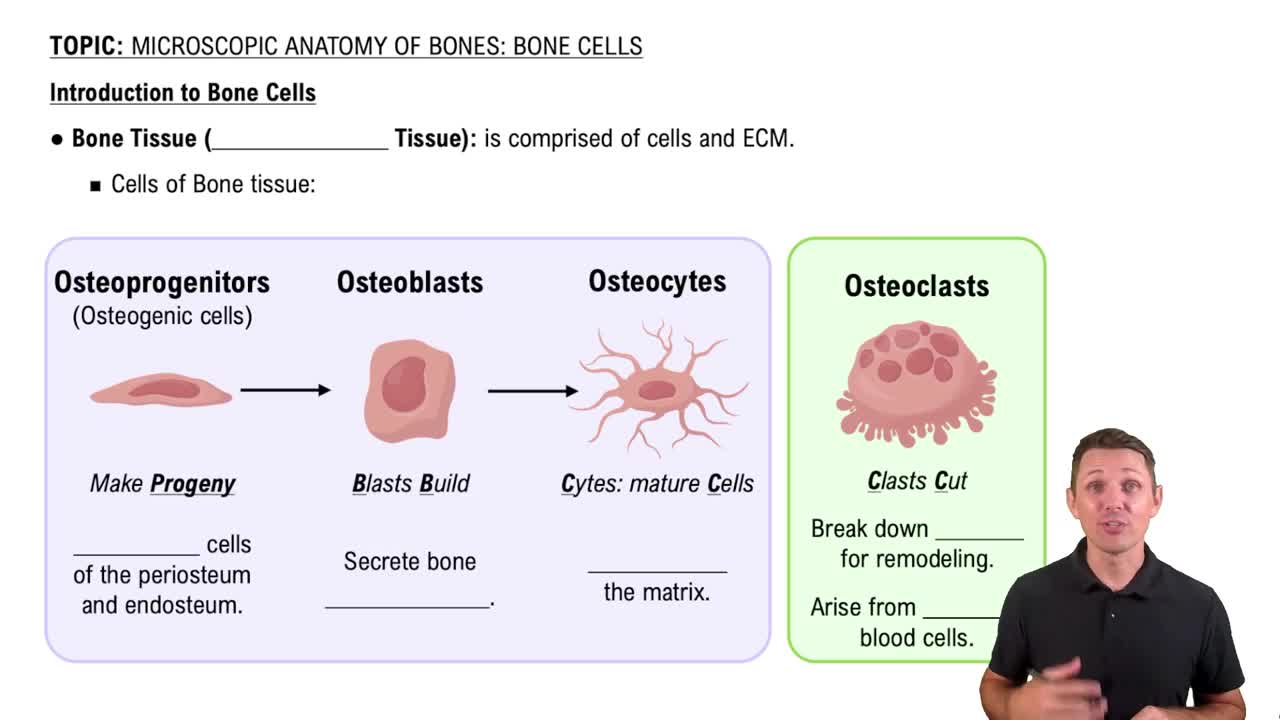
In bone cells, particularly osteoclasts, lysosomes are essential for breaking down the mineralized matrix of bone tissue during bone resorption. Osteoclasts release lysosomal enzymes into the resorption lacuna, where the acidic environment dissolves bone minerals and degrades the organic matrix.
If lysosomes cannot maintain an acidic pH, the hydrolytic enzymes will not function effectively. In osteoclasts, this would impair their ability to resorb bone, leading to an imbalance in bone remodeling. Bone formation by osteoblasts would continue, but without proper resorption, old or damaged bone would accumulate.
The consequences of this disease on Fouz's bones may include abnormal bone density, skeletal deformities, and potential bone fragility. This condition could lead to a disorder such as osteopetrosis, where bones become overly dense and brittle due to defective resorption by osteoclasts.

비슷한 문제에 대한 검증된 영상 답변:

이 영상 해법은 위 문제에 도움이 된다고 튜터들이 추천한 것입니다.
도움이 되었나요?

주요 개념

질문에 올바르게 답하기 위해 반드시 이해해야 하는 핵심 개념들은 다음과 같습니다.

Lysosomes

Lysosomes are membrane-bound organelles found in eukaryotic cells that contain digestive enzymes. They play a crucial role in breaking down waste materials, cellular debris, and foreign substances. By digesting these materials, lysosomes help maintain cellular health and function. Their proper functioning is essential for processes such as autophagy and the recycling of cellular components.
추천 영상:
가이드 코스
05:38
Lysosomes & Peroxisomes

Acidic pH in Lysosomes

Lysosomes require an acidic pH, typically around 4.5 to 5.0, to activate their hydrolytic enzymes effectively. This acidic environment is maintained by proton pumps in the lysosomal membrane, which transport protons into the lysosome. If the pH is not acidic enough, the enzymes may become inactive, leading to the accumulation of undigested materials and impaired cellular function.
추천 영상:

Impact on Bone Cells

Bone cells, particularly osteoclasts, rely on lysosomes for the degradation of bone matrix components during bone remodeling. If lysosomes cannot maintain an acidic pH, the activity of these enzymes is compromised, leading to ineffective bone resorption. This can result in weakened bones, increased fragility, and potential skeletal deformities, significantly affecting the overall health and development of individuals like Fouz.
추천 영상:
4:19
Introduction to Bone Cells