Ch. 7 The Skeletal System
Amerman- Human Anatomy & Physiology 3e
Amerman3rd EditionHuman Anatomy & PhysiologyISBN: 9780138247201, 9780138247928, 9780138201814당신이 사용하는 게 아니라요?교과서 변경
7장, 문제 15

Which of the following is not a proximal carpal bone?


a. Hamate
b. Pisiform
c. Scaphoid
d. Lunate

검증된 단계별 안내
1
Step 1: Understand the anatomy of the carpal bones. The carpal bones are eight small bones that make up the wrist, arranged in two rows: the proximal row (closer to the forearm) and the distal row (closer to the hand).
Step 2: Identify the bones in the proximal row. The proximal carpal bones include the scaphoid, lunate, triquetrum, and pisiform.
Step 3: Identify the bones in the distal row. The distal carpal bones include the trapezium, trapezoid, capitate, and hamate.
Step 4: Compare the options provided in the question with the list of proximal carpal bones. Determine which bone is not part of the proximal row.
Step 5: Conclude that the bone not listed in the proximal row is the correct answer to the question.

비슷한 문제에 대한 검증된 영상 답변:

이 영상 해법은 위 문제에 도움이 된다고 튜터들이 추천한 것입니다.
도움이 되었나요?

주요 개념

질문에 올바르게 답하기 위해 반드시 이해해야 하는 핵심 개념들은 다음과 같습니다.

Carpal Bones

The carpal bones are a group of eight small bones in the wrist that are divided into two rows: proximal and distal. The proximal row consists of the scaphoid, lunate, triquetrum, and pisiform, while the distal row includes the trapezium, trapezoid, capitate, and hamate. Understanding the classification of these bones is essential for identifying which bones belong to each row.
추천 영상:
가이드 코스
5:07
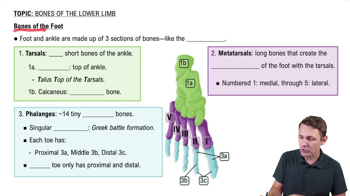
Bones of the Foot

Proximal vs. Distal Carpal Bones

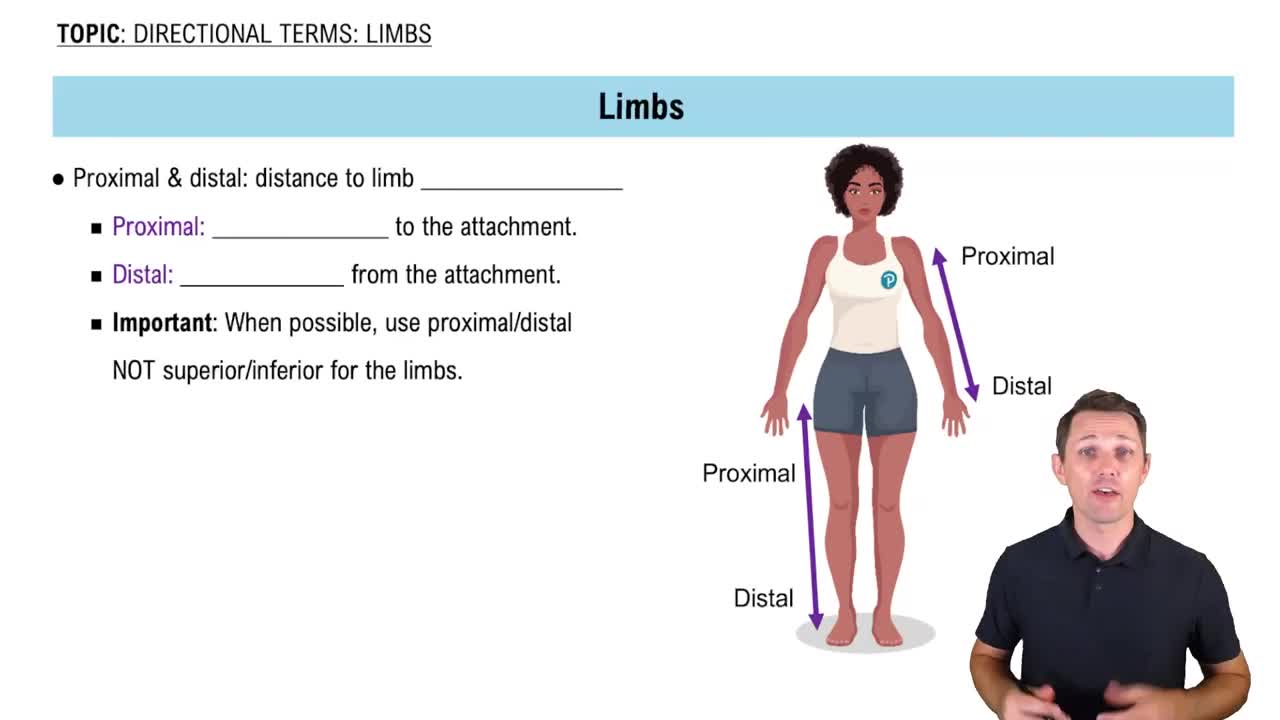
Proximal carpal bones are those located closer to the forearm, while distal carpal bones are nearer to the fingers. The proximal row includes the scaphoid, lunate, triquetrum, and pisiform, which play crucial roles in wrist movement and stability. Distinguishing between these two groups is vital for anatomical and clinical discussions regarding wrist injuries and treatments.
추천 영상:
가이드 코스
02:06
Proximal and Distal

Anatomical Terminology

Anatomical terminology provides a standardized language for describing the locations and relationships of body structures. Terms like 'proximal' and 'distal' help clarify positions relative to the center of the body or point of attachment. Familiarity with this terminology is important for accurately interpreting questions related to anatomy, such as identifying specific bones in the wrist.
추천 영상:
가이드 코스
02:40
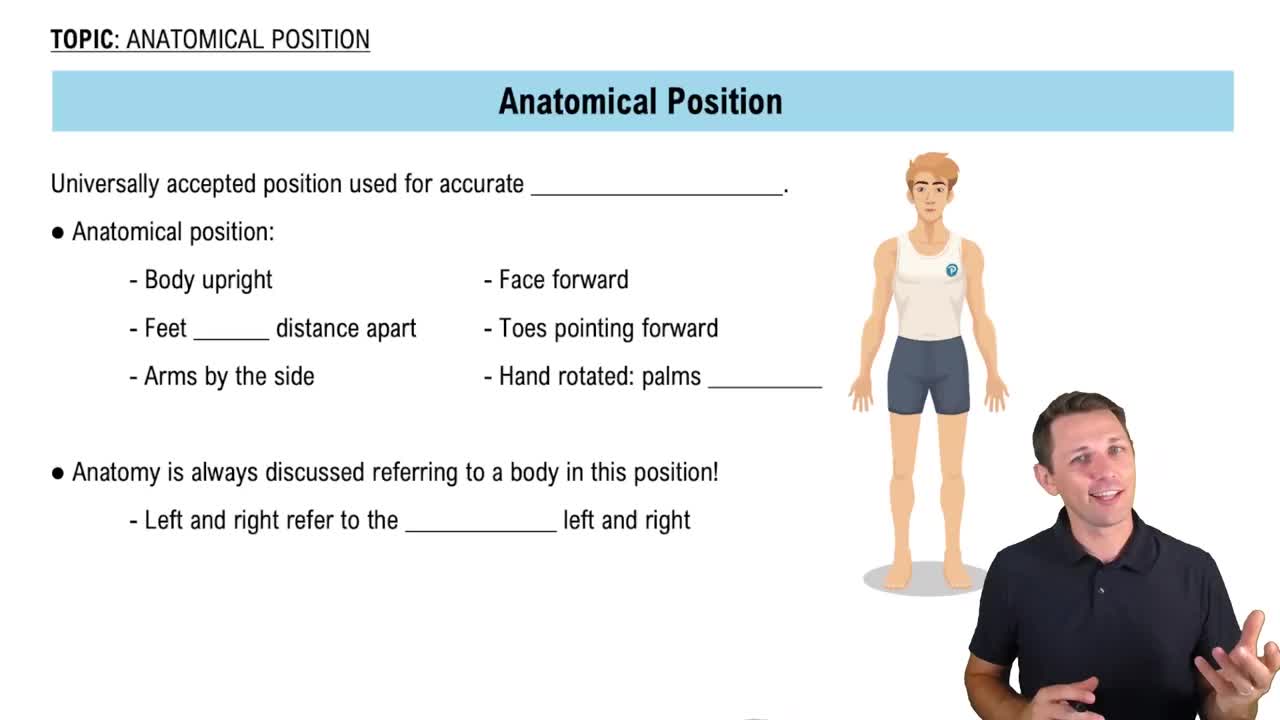
Anatomical Position