Ch. 8 Articulations
Amerman- Human Anatomy & Physiology 3e
Amerman3rd EditionHuman Anatomy & PhysiologyISBN: 9780138247201, 9780138247928, 9780138201814당신이 사용하는 게 아니라요?교과서 변경
8장, 문제 15

Which factors contribute to the stability of the hip joint?

검증된 단계별 안내
1
Understand the anatomy of the hip joint: The hip joint is a ball-and-socket joint formed by the articulation of the head of the femur (thigh bone) and the acetabulum of the pelvis. Its stability is influenced by structural and functional factors.
Examine the role of the bony structure: The deep socket of the acetabulum and the spherical shape of the femoral head provide inherent stability to the joint by limiting excessive movement.
Analyze the contribution of ligaments: Several strong ligaments, such as the iliofemoral, pubofemoral, and ischiofemoral ligaments, reinforce the joint capsule and prevent dislocation by restricting certain movements.
Consider the role of surrounding muscles: Muscles like the gluteal group, iliopsoas, and adductors provide dynamic stability by maintaining tension and controlling movement during activities like walking or running.
Evaluate the importance of the labrum: The acetabular labrum, a ring of cartilage surrounding the acetabulum, deepens the socket and enhances joint stability by increasing the surface area for articulation and reducing stress on the joint.

비슷한 문제에 대한 검증된 영상 답변:

이 영상 해법은 위 문제에 도움이 된다고 튜터들이 추천한 것입니다.
도움이 되었나요?

주요 개념

질문에 올바르게 답하기 위해 반드시 이해해야 하는 핵심 개념들은 다음과 같습니다.

Anatomy of the Hip Joint

The hip joint is a ball-and-socket joint formed by the acetabulum of the pelvis and the head of the femur. Its structure allows for a wide range of motion while maintaining stability. Key anatomical features, such as ligaments, cartilage, and surrounding muscles, play a crucial role in supporting the joint and preventing dislocation.
추천 영상:
가이드 코스
08:25
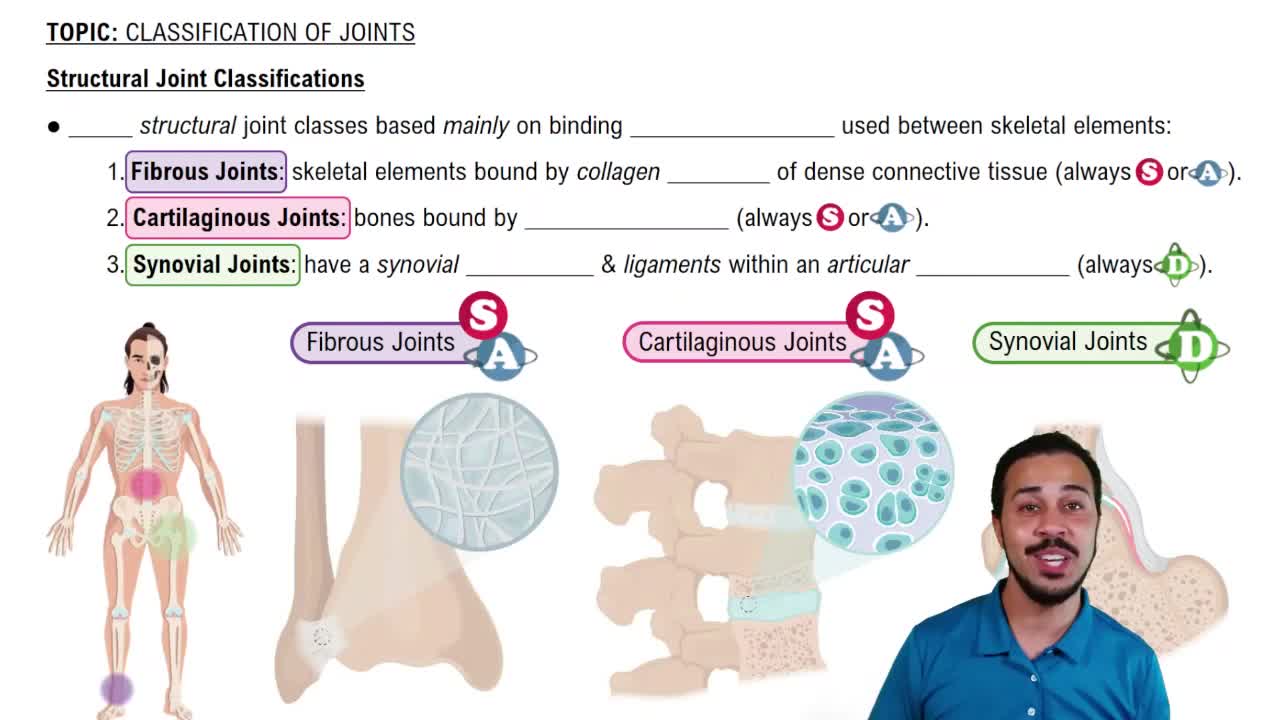
Structural Joint Classifications

Ligamentous Support

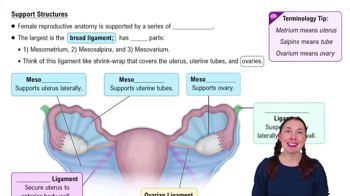
Ligaments are strong, fibrous tissues that connect bones to other bones, providing stability to the hip joint. The iliofemoral, pubofemoral, and ischiofemoral ligaments are particularly important, as they help limit excessive movement and maintain joint integrity during various activities, such as walking and running.
추천 영상:
3:43
Support Structures

Muscle Dynamics

The muscles surrounding the hip joint, including the gluteals, iliopsoas, and adductors, contribute significantly to its stability. These muscles work in coordination to control movement and maintain proper alignment of the joint, especially during dynamic activities. Strength and flexibility in these muscle groups are essential for preventing injuries and ensuring joint stability.
추천 영상:
2:00
Introduction to Muscles and Muscle Tissue Example 1