Ch. 9 The Muscular System
Amerman- Human Anatomy & Physiology 3e
Amerman3rd EditionHuman Anatomy & PhysiologyISBN: 9780138247201, 9780138247928, 9780138201814당신이 사용하는 게 아니라요?교과서 변경
9장, 문제 14

Match the muscle with its main action:
______Biceps brachii muscle     
______Pronator teres muscle     
______Extensor digitorum muscle     
______Brachialis muscle     
______Triceps brachii muscle     
______Flexor carpi radialis muscle.
a. Extends fingers and hand
b. Supinates forearm
c. Flexes hand
d. Extends forearm
e. Pronates forearm
f. Flexes forearm

검증된 단계별 안내
1
Step 1: Understand the main actions of each muscle listed in the problem. For example, the biceps brachii muscle is primarily responsible for flexing the forearm and supinating the forearm.
Step 2: Match the muscle names with their corresponding actions based on their anatomical function. For instance, the pronator teres muscle is responsible for pronating the forearm.
Step 3: Recall the extensor digitorum muscle's function, which is to extend the fingers and hand, and match it with the appropriate action.
Step 4: Identify the brachialis muscle's role in flexing the forearm and match it with the correct action.
Step 5: Match the triceps brachii muscle with its action of extending the forearm and the flexor carpi radialis muscle with its action of flexing the hand.

비슷한 문제에 대한 검증된 영상 답변:

이 영상 해법은 위 문제에 도움이 된다고 튜터들이 추천한 것입니다.

주요 개념

질문에 올바르게 답하기 위해 반드시 이해해야 하는 핵심 개념들은 다음과 같습니다.

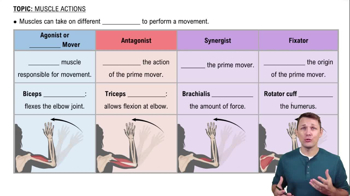
Muscle Actions

Muscle actions refer to the specific movements produced by muscles when they contract. Each muscle has a primary action based on its anatomical position and attachment points. Understanding these actions is crucial for matching muscles to their functions, such as flexion, extension, pronation, and supination.
추천 영상:
5:41
Muscle Actions

Anatomy of the Upper Limb

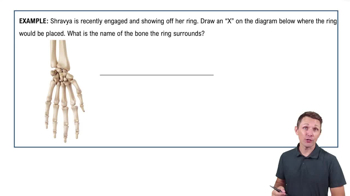
The anatomy of the upper limb includes various muscles that facilitate movement in the arm, forearm, and hand. Key muscles like the biceps brachii, triceps brachii, and others play distinct roles in actions such as flexing or extending the elbow. Familiarity with these muscles and their locations aids in accurately identifying their functions.
추천 영상:
1:28
Bones of the Upper Limb Example 1

Nerve Innervation

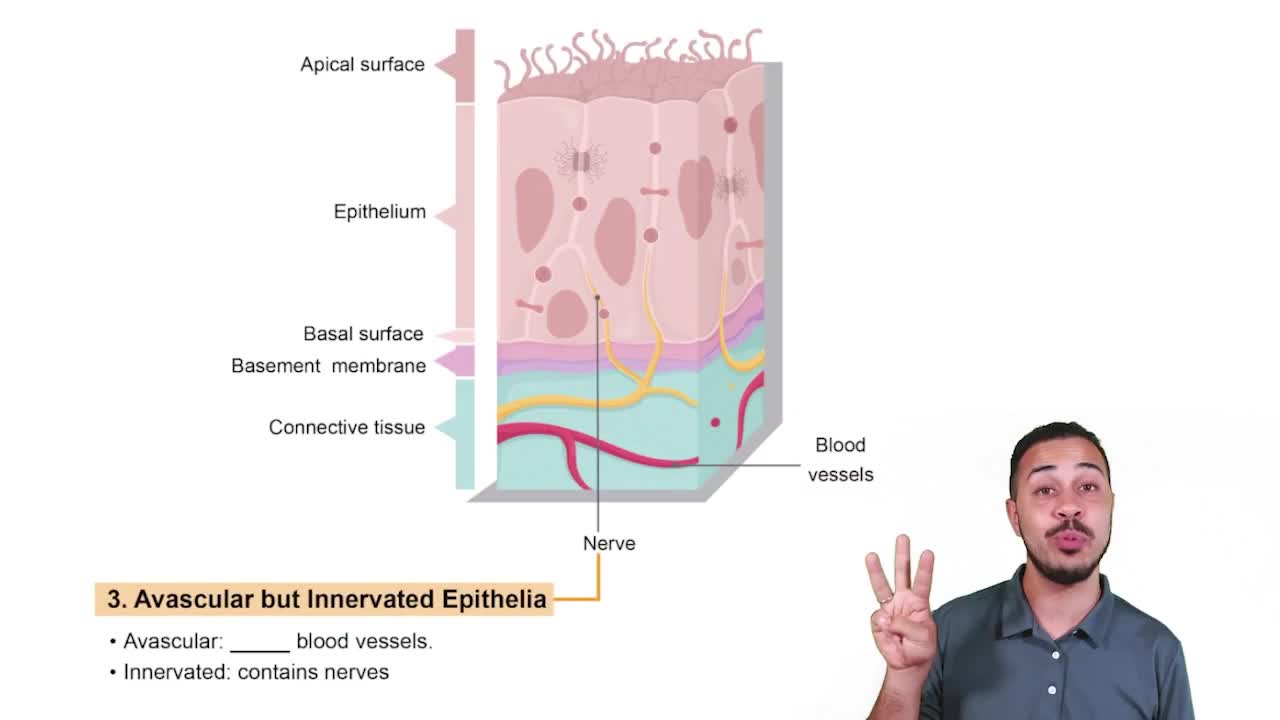
Nerve innervation is the process by which nerves supply muscles with the signals needed for contraction. Each muscle is innervated by specific nerves that control its action. Understanding which nerves correspond to which muscles can help in predicting muscle actions and diagnosing potential injuries or conditions affecting movement.
추천 영상:
02:35
Characteristic 3: Avascular but Innervated