Ch. 9 The Muscular System
Amerman- Human Anatomy & Physiology 3e
Amerman3rd EditionHuman Anatomy & PhysiologyISBN: 9780138247201, 9780138247928, 9780138201814당신이 사용하는 게 아니라요?교과서 변경
9장, 문제 L3.5b

Ms. Hendrix suffered a severe hip fracture that required hip replacement surgery. After an extended recovery period, she is undergoing physical therapy to regain strength and mobility.
Which muscles were likely affected by the hip replacement surgery, and to which parts of the bone do they attach?

검증된 단계별 안내
1
Identify the major muscles involved in hip movement and stability. These include the gluteal muscles (gluteus maximus, gluteus medius, and gluteus minimus), the iliopsoas group (iliacus and psoas major), and smaller muscles like the piriformis, obturator internus, and quadratus femoris.
Understand the anatomical attachments of these muscles. For example, the gluteus maximus attaches to the posterior ilium, sacrum, and coccyx, and inserts into the iliotibial tract and gluteal tuberosity of the femur. The gluteus medius and minimus attach to the lateral surface of the ilium and insert into the greater trochanter of the femur.
Consider the surgical procedure for hip replacement. During surgery, muscles such as the gluteus medius and minimus may be retracted or affected to access the hip joint. The iliopsoas group, which attaches to the lesser trochanter of the femur, may also be impacted depending on the surgical approach.
Examine the role of these muscles in hip movement. The gluteal muscles are responsible for abduction, extension, and rotation of the hip, while the iliopsoas group is critical for hip flexion. Damage or disruption to these muscles can affect mobility and strength post-surgery.
Relate the physical therapy goals to the affected muscles. Therapy will focus on strengthening the gluteal muscles, improving flexibility in the iliopsoas group, and restoring range of motion in the hip joint. Exercises will target these muscle groups to facilitate recovery and regain function.

비슷한 문제에 대한 검증된 영상 답변:

이 영상 해법은 위 문제에 도움이 된다고 튜터들이 추천한 것입니다.
도움이 되었나요?

주요 개념

질문에 올바르게 답하기 위해 반드시 이해해야 하는 핵심 개념들은 다음과 같습니다.

Hip Musculature

The hip joint is surrounded by several key muscles, including the gluteus maximus, gluteus medius, iliopsoas, and quadriceps. These muscles are crucial for hip movement and stability. Following hip replacement surgery, these muscles may be weakened or affected due to surgical intervention and immobilization during recovery.
추천 영상:
가이드 코스
02:47
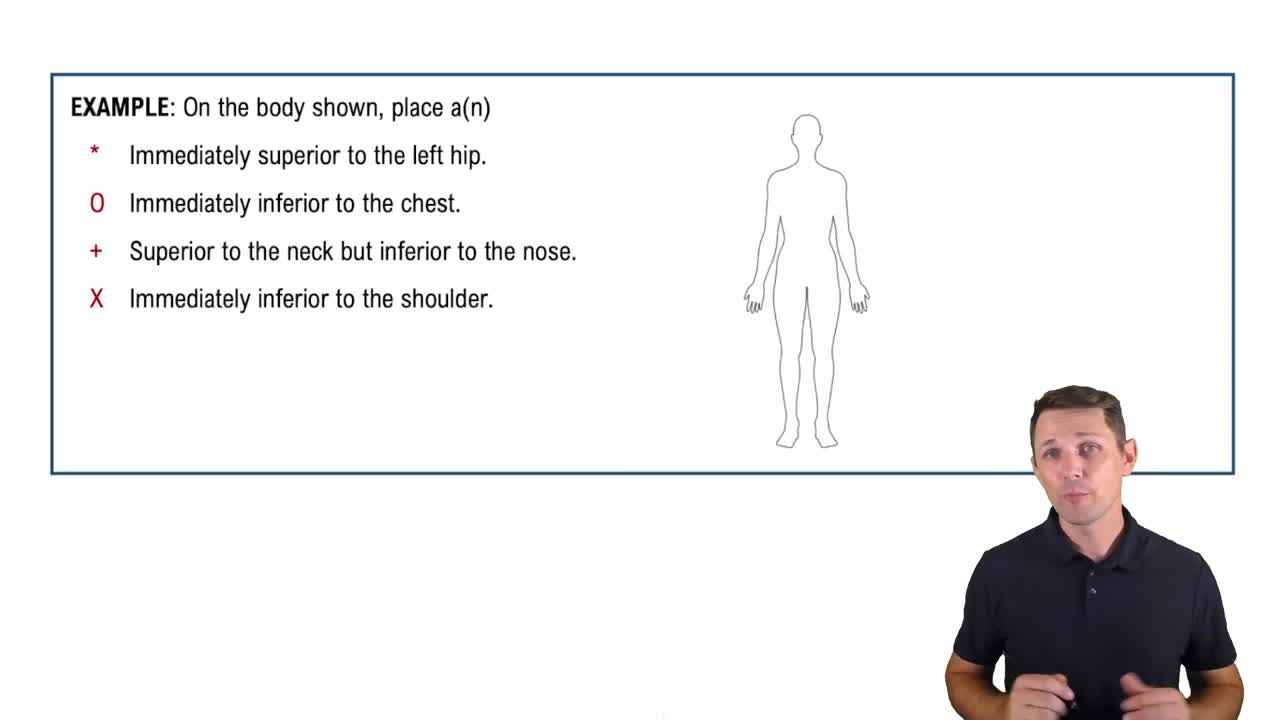
Directional Terms: Up and Down Example 1

Muscle Attachment Points

Muscles attach to bones via tendons, and their attachment points are critical for movement. For instance, the gluteus maximus attaches to the posterior aspect of the ilium and the femur, while the iliopsoas connects to the lumbar vertebrae and the lesser trochanter of the femur. Understanding these attachment points helps in assessing the impact of surgery on muscle function.
추천 영상:
가이드 코스
3:55
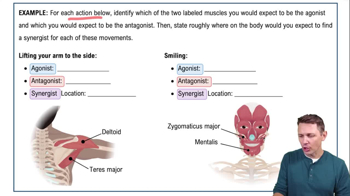
Muscle Actions Example 1

Rehabilitation Post-Surgery

Post-surgical rehabilitation is essential for restoring strength and mobility after hip replacement. Physical therapy focuses on exercises that target the affected muscles, improve range of motion, and enhance functional mobility. Knowledge of which muscles were impacted allows therapists to tailor rehabilitation programs effectively.
추천 영상:
04:26
Post-Translational Modification
관련 실천
교과서 질문

Mr. Bell presents with the inability to move certain muscles on one side of his face. You ask him to make various facial expressions and find that on his right side he is unable to purse his lips, pull in his cheeks, elevate his upper lip, and smirk. What muscles is Mr. Bell unable to contract?

558
views
교과서 질문

Ms. Cho presents with muscle pain in the area around her anterior neck and superior chest. She explains that she has had a respiratory infection over the past 2 weeks that made it hard for her to breathe. What is likely causing her muscle soreness? (Hint: Remember that the origin and insertion of some muscles can switch and that one likely has to breathe more deeply with a respiratory infection.)

812
views
교과서 질문

Elise is a competitive gymnast who strained muscles in her left lower limb doing a tumbling pass. She has pain with extension of her leg and inversion of her foot. Which muscles did she potentially strain?

770
views
교과서 질문

Ms. Hendrix suffered a severe hip fracture that required hip replacement surgery. After an extended recovery period, she is undergoing physical therapy to regain strength and mobility.

Which actions could Ms. Hendrix perform to strengthen these muscles?

701
views
교과서 질문

Match the term with its description:

_____Brevis     

_____Digitorum     

_____Hallucis     

_____Rectus     

_____Flexor      

_____Pronator

a. Related to the fingers/toes

b. Straight

c. Short

d. Decreases the angle between bones

e. Turns palm down

f. Related to the hallux (great toe)

917
views
교과서 질문

Chris is training for his black belt in karate and is working on developing a stronger punch. Which muscles do you recommend that he strengthen to improve his punch? Explain.

823
views