Ch. 17 Blood
Marieb - Human Anatomy & Physiology 11th Edition
Marieb, Hoehn11th EditionHuman Anatomy & PhysiologyISBN: 9780136874034당신이 사용하는 게 아니라요?교과서 변경
17장, 문제 16

If you had a severe infection, would you expect your WBC count to be closest to 5000, 10,000, or 15,000/μl?
What is this condition called?

검증된 단계별 안내
1
Understand that WBC (white blood cell) count is a measure of the number of white blood cells in a microliter (μl) of blood, which are crucial for fighting infections.
Recall the normal range for WBC count in a healthy individual, which is typically around 4,000 to 11,000/μl.
Recognize that during a severe infection, the body produces more white blood cells to combat the invading pathogens, causing the WBC count to increase above the normal range.
Compare the given options (5,000, 10,000, and 15,000/μl) to the normal range and understand that 15,000/μl is the closest to what you would expect during a severe infection, as it indicates an elevated WBC count.
Identify that an elevated WBC count due to infection is called leukocytosis, which is a common response to infection or inflammation.

비슷한 문제에 대한 검증된 영상 답변:

이 영상 해법은 위 문제에 도움이 된다고 튜터들이 추천한 것입니다.
영상 길이:
5m

주요 개념

질문에 올바르게 답하기 위해 반드시 이해해야 하는 핵심 개념들은 다음과 같습니다.

White Blood Cell (WBC) Count

WBC count measures the number of white blood cells in a microliter of blood, indicating immune system activity. Normal ranges typically fall between 4,000 and 11,000/μl. Changes in WBC count help diagnose infections, inflammation, or immune disorders.
추천 영상:
가이드 코스
7:49
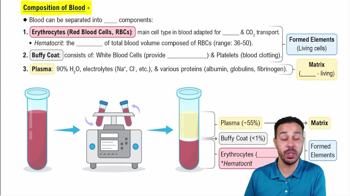
Composition of Blood

Leukocytosis

Leukocytosis is the condition of having an elevated WBC count, often above 11,000/μl. It commonly occurs during infections as the body produces more white blood cells to fight pathogens. A severe infection usually causes leukocytosis, reflecting an active immune response.

Immune Response to Infection

During a severe infection, the immune system activates and increases WBC production to combat invading microbes. This response raises the WBC count significantly, often reaching or exceeding 15,000/μl, signaling the body's effort to control the infection.
추천 영상:
가이드 코스
6:59
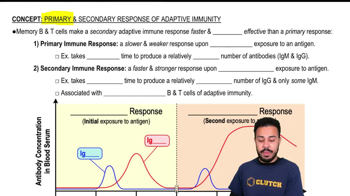
Primary and Secondary Response of Adaptive Immunity