Ch. 17 Blood
Marieb - Human Anatomy & Physiology 11th Edition
Marieb, Hoehn11th EditionHuman Anatomy & PhysiologyISBN: 9780136874034당신이 사용하는 게 아니라요?교과서 변경
17장, 문제 24

Cancer patients being treated with chemotherapeutic drugs designed to destroy rapidly dividing cells are monitored closely for changes in their red and white blood counts. Why so?

검증된 단계별 안내
1
Understand that chemotherapeutic drugs target rapidly dividing cells, which include not only cancer cells but also some normal cells in the body.
Recognize that red blood cells (RBCs) and white blood cells (WBCs) originate from rapidly dividing precursor cells in the bone marrow.
Explain that chemotherapy can damage the bone marrow's ability to produce these blood cells, leading to decreased RBC and WBC counts.
Identify the clinical significance: a drop in RBC count can cause anemia, leading to fatigue and weakness, while a drop in WBC count can weaken the immune system, increasing infection risk.
Conclude that monitoring blood counts helps healthcare providers adjust chemotherapy doses and manage side effects to maintain patient safety.

비슷한 문제에 대한 검증된 영상 답변:

이 영상 해법은 위 문제에 도움이 된다고 튜터들이 추천한 것입니다.
영상 길이:
2m

주요 개념

질문에 올바르게 답하기 위해 반드시 이해해야 하는 핵심 개념들은 다음과 같습니다.

Chemotherapy and Rapidly Dividing Cells

Chemotherapy targets cells that divide quickly, such as cancer cells, but it also affects normal rapidly dividing cells like those in bone marrow. This non-selective action can lead to side effects by damaging healthy cells responsible for blood cell production.
추천 영상:
가이드 코스
06:51
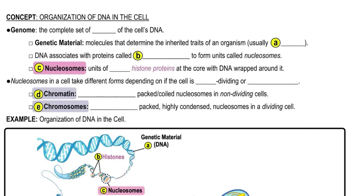
Organization of DNA in the Cell

Bone Marrow Function and Blood Cell Production

Bone marrow is the primary site for producing red blood cells (RBCs) and white blood cells (WBCs). Damage to bone marrow from chemotherapy can reduce the production of these cells, leading to anemia and weakened immune response.
추천 영상:
3:39
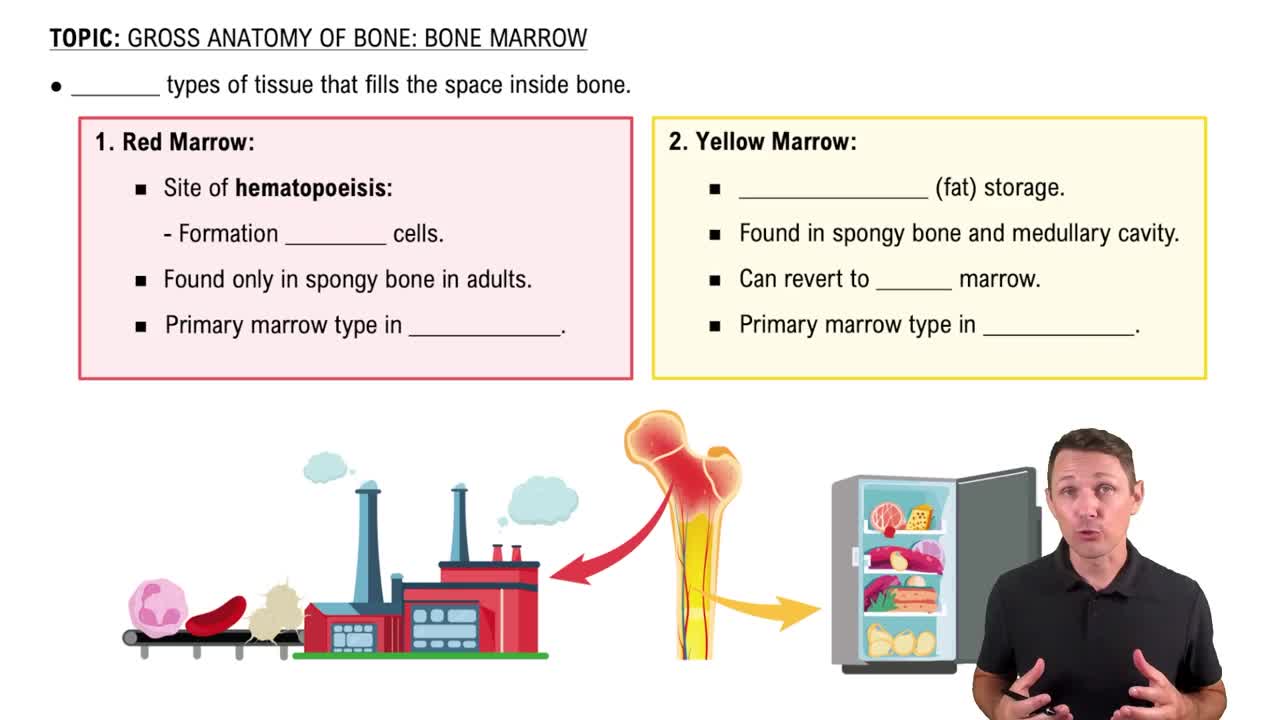
Bone Marrow

Monitoring Blood Counts During Chemotherapy

Regular monitoring of red and white blood cell counts helps detect bone marrow suppression early. This allows clinicians to adjust treatment to prevent complications like infection, fatigue, or bleeding due to low blood cell levels.
추천 영상:
가이드 코스
6:11
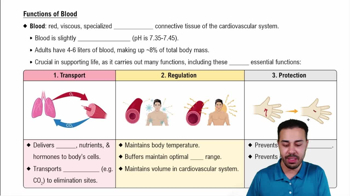
Functions of Blood
관련 실천
교과서 질문

Define hemostasis

List the three major phases of coagulation. Explain what initiates each phase and what the phase accomplishes

In what general way do the intrinsic and extrinsic mechanisms of clotting differ?

Which ion is essential to virtually all stages of coagulation?

1117
views
교과서 질문

A reticulocyte count indicated that 5% of Tyler's red blood cells were reticulocytes. His blood test also indicated he had polycythemia and a hematocrit of 65%. Explain the connection between these three facts.

134
views
교과서 질문

Alan Forsythe, a middle-aged college professor from Boston, is in the Swiss Alps studying astronomy during his sabbatical leave. He has been there for two days and plans to stay the entire year. However, he notices that he is short of breath when he walks up steps and tires easily with any physical activity. His symptoms gradually disappear, and he feels fine after less than a month. Upon returning to the United States, he has a complete physical exam and is told that his erythrocyte count is higher than normal.

a. Attempt to explain this finding.

b. Will his RBC count remain at this higher-than-normal level? Why or why not?

763
views
교과서 질문

Amanda Healy, a young woman with severe vaginal bleeding, is admitted to the emergency room. She is three months pregnant, and the physician is concerned about the volume of blood she is losing.

What type of transfusion will probably be given to this patient?

Which blood tests will be performed before starting the transfusion?

61
views
교과서 질문

How can poor nutrition lead to anemia?

762
views
교과서 질문

Mr. Chu has been scheduled for surgery to have his arthritic hip replaced. His surgeon tells him he must switch from aspirin to acetaminophen for pain control before his surgery. Why?

1019
views