Ch. 22 The Respiratory System
Marieb - Human Anatomy & Physiology 11th Edition
Marieb, Hoehn11th EditionHuman Anatomy & PhysiologyISBN: 9780136874034당신이 사용하는 게 아니라요?교과서 변경
22장, 문제 11

In mouth-to-mouth artificial respiration, the rescuer blows air from his or her own respiratory system into that of the victim. Which of the following statements are correct?
(1) Expansion of the victim's lungs is brought about by blowing air in at higher than atmospheric pressure (positive-pressure breathing).
(2) During inflation of the lungs, the intrapleural pressure increases.
(3) This technique will not work if the victim has a hole in the chest wall, even if the lungs are intact.
(4) Expiration during this procedure depends on the elasticity of the alveolar and thoracic walls.
a. All of these
b. 1, 2, 4
c. 1, 2, 3
d. 1, 4

검증된 단계별 안내
1
Step 1: Understand the concept of positive-pressure breathing. In mouth-to-mouth artificial respiration, the rescuer blows air into the victim's lungs at a pressure higher than atmospheric pressure. This forces the victim's lungs to expand, which is referred to as positive-pressure breathing.
Step 2: Analyze the role of intrapleural pressure during lung inflation. Normally, intrapleural pressure becomes less negative during inspiration, but in artificial respiration, the pressure increases due to the forced air being blown into the lungs.
Step 3: Consider the impact of a hole in the chest wall. If the victim has a hole in the chest wall, the intrapleural pressure cannot be maintained, leading to a loss of the pressure gradient required for lung expansion, even if the lungs themselves are intact. This would make the technique ineffective.
Step 4: Evaluate the role of elasticity in expiration. During expiration, the elastic recoil of the alveolar and thoracic walls allows the lungs to return to their resting state after being inflated. This is a passive process that does not require active effort from the victim.
Step 5: Review the options provided in the question and match them to the explanations above. Determine which statements are correct based on the physiological principles discussed.

비슷한 문제에 대한 검증된 영상 답변:

이 영상 해법은 위 문제에 도움이 된다고 튜터들이 추천한 것입니다.
영상 길이:
2m

주요 개념

질문에 올바르게 답하기 위해 반드시 이해해야 하는 핵심 개념들은 다음과 같습니다.

Positive-Pressure Breathing

Positive-pressure breathing occurs when air is delivered into the lungs at a pressure greater than atmospheric pressure. This technique is essential in mouth-to-mouth artificial respiration, as it facilitates lung expansion by forcing air into the victim's respiratory system, thereby increasing lung volume and aiding in oxygenation.
추천 영상:
02:40
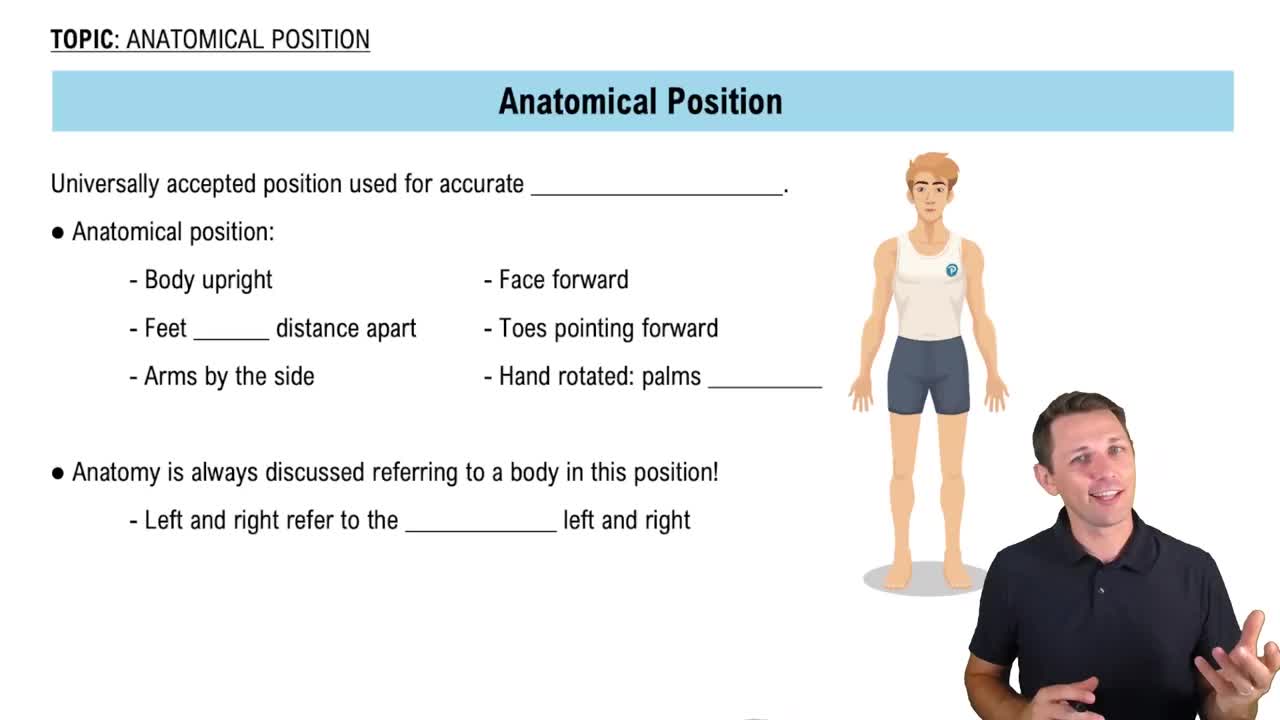
Anatomical Position

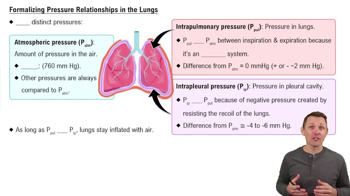
Intrapleural Pressure

Intrapleural pressure refers to the pressure within the pleural cavity surrounding the lungs. During lung inflation, this pressure typically decreases, allowing the lungs to expand. However, the question states that intrapleural pressure increases during inflation, which is a critical point to understand in the context of artificial respiration and lung mechanics.
추천 영상:
5:46
Formalizing Pressure Relationships in the Lungs

Elasticity of the Alveolar and Thoracic Walls

The elasticity of the alveolar and thoracic walls is crucial for normal respiratory function. During expiration, the elastic recoil of these structures helps expel air from the lungs. In the context of artificial respiration, this elasticity is vital for the effective return of air after positive pressure is applied, ensuring that the lungs can deflate properly.
추천 영상:
5:03
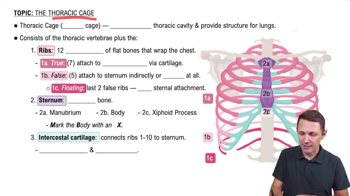
Thoracic Cage