Ch. 27 The Reproductive System
Marieb - Human Anatomy & Physiology 11th Edition
Marieb, Hoehn11th EditionHuman Anatomy & PhysiologyISBN: 9780136874034당신이 사용하는 게 아니라요?교과서 변경
27장, 문제 9

Match the key choices with the descriptive phrases below.
Key:
a. Androgen-binding protein
b. Estrogens
c. FSH
d. GnRH
e. Inhibin
f. LH
g. Progesterone
h. Testosterone
(1) Hormones that directly regulate the ovarian cycle
(2) Chemicals in males that inhibit the hypothalamic-pituitary-testicular axis
(3) Hormone that makes the cervical mucus viscous
(4) Potentiates the activity of testosterone on spermatogenic cells
(5) Chemicals in females that inhibit the hypothalamic-pituitary-ovarian axis
(6) Stimulates the secretion of testosterone

검증된 단계별 안내
1
Step 1: Identify the hormones that directly regulate the ovarian cycle. These hormones are responsible for controlling the phases of the ovarian cycle, such as follicular development, ovulation, and luteal phase. The key choices to consider are LH (luteinizing hormone) and FSH (follicle-stimulating hormone).
Step 2: Determine the chemicals in males that inhibit the hypothalamic-pituitary-testicular axis. This axis regulates testosterone production and spermatogenesis. Inhibin is a key chemical that provides negative feedback to suppress FSH secretion in males.
Step 3: Identify the hormone that makes cervical mucus viscous. This hormone is involved in preparing the female reproductive tract for potential pregnancy. Progesterone is known for thickening cervical mucus to prevent sperm entry after ovulation.
Step 4: Find the hormone that potentiates the activity of testosterone on spermatogenic cells. Androgen-binding protein (ABP) binds testosterone and concentrates it in the seminiferous tubules, enhancing its effect on spermatogenesis.
Step 5: Determine the chemicals in females that inhibit the hypothalamic-pituitary-ovarian axis. Similar to males, inhibin in females provides negative feedback to suppress FSH secretion, helping regulate the ovarian cycle. Additionally, estrogens can also play a role in feedback inhibition during certain phases of the cycle.

비슷한 문제에 대한 검증된 영상 답변:

이 영상 해법은 위 문제에 도움이 된다고 튜터들이 추천한 것입니다.
영상 길이:
4m
도움이 되었나요?

주요 개념

질문에 올바르게 답하기 위해 반드시 이해해야 하는 핵심 개념들은 다음과 같습니다.

Hormonal Regulation of the Ovarian Cycle

The ovarian cycle is primarily regulated by hormones such as estrogens and progesterone, which are produced by the ovaries. These hormones control the development and release of eggs, as well as the preparation of the uterine lining for potential implantation. Understanding their roles is crucial for matching them to the correct descriptive phrases.
추천 영상:
03:31
Cell Cycle Regulation

Hypothalamic-Pituitary-Gonadal Axis

The hypothalamic-pituitary-gonadal (HPG) axis is a complex set of interactions between the hypothalamus, pituitary gland, and gonads (ovaries and testes). Hormones like GnRH (gonadotropin-releasing hormone), FSH (follicle-stimulating hormone), and LH (luteinizing hormone) play key roles in regulating reproductive functions. Inhibin is a hormone that provides negative feedback to this axis, particularly in males and females.
추천 영상:
가이드 코스
6:11
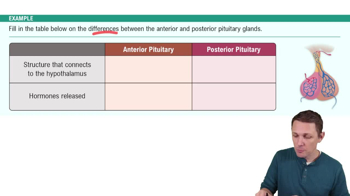
The Hypothalamus and Pituitary Gland Example 3

Functions of Specific Hormones

Each hormone mentioned in the question has specific functions. For instance, testosterone is crucial for male reproductive health and spermatogenesis, while progesterone prepares the uterus for pregnancy. Understanding these specific roles helps in accurately matching the hormones to their corresponding functions in the provided phrases.
추천 영상:
가이드 코스
13:06
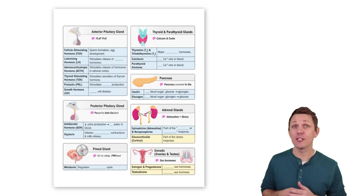
Review of Major Hormones