Ch. 28 Pregnancy and Human Development

Marieb, Hoehn11th EditionHuman Anatomy & PhysiologyISBN: 9780136874034
당신이 사용하는 게 아니라요?교과서 변경다른 교과서를 선택하세요
TOC.tableOfContents
- Ch. 1 The Human Body: An Orientation24
- Ch. 2 Chemistry Comes Alive25
- Ch. 3 Cells: The Living Units21
- Ch. 4 Tissue: The Living Fabric20
- Ch. 5 The Integumentary System11
- Ch. 6 Bones and Skeletal Tissues19
- Ch. 7 The Skeleton14
- Ch. 8 Joints7
- Ch. 9 Muscles and Muscle Tissue26
- Ch. 10 The Muscular System26
- Ch. 11 Fundamentals of the Nervous System and Nervous Tissue19
- Ch. 12 The Central Nervous System26
- Ch. 13 The Peripheral Nervous System and Reflex Activity32
- Ch. 14 The Autonomic Nervous System19
- Ch. 15 The Special Senses26
- Ch. 16 The Endocrine System23
- Ch. 17 Blood25
- Ch. 18 The Cardiovascular System: The Heart24
- Ch. 19 The Cardiovascular System: Blood Vessels27
- Ch. 20 The Lymphatic System and Lymphoid Organs and Tissues14
- Ch. 21 The Immune System: Innate and Adaptive Body Defenses27
- Ch. 22 The Respiratory System21
- Ch. 23 The Digestive System31
- Ch. 24 Nutrition, Metabolism, and Energy Balance26
- Ch. 25 The Urinary System26
- Ch. 26 Fluid, Electrolyte, and Acid-Base Balance24
- Ch. 27 The Reproductive System24
- Ch. 28 Pregnancy and Human Development25
- Ch. 29 Heredity11

28장, 문제 6
Which of the following changes occur in the baby’s cardiovascular system after birth?
(a) umbilical arteries and vein become fibrosed
(b) pulmonary circulation begins to function, and pressure in the left side of the heart increases
(c) the ductus venosus becomes obliterated, as does the ductus arteriosus
(d) all of these
 검증된 단계별 안내
1
Step 1: Understand the fetal circulation system before birth, which includes structures like the umbilical arteries and vein, ductus venosus, and ductus arteriosus that help bypass the lungs and liver since the fetus gets oxygen from the placenta.
Step 2: Recognize that after birth, the baby starts breathing air, so the lungs expand and pulmonary circulation begins to function, increasing blood flow to the lungs and raising pressure on the left side of the heart.
Step 3: Know that the umbilical arteries and vein, which carried blood to and from the placenta, close and become fibrosed (turn into fibrous tissue) since the placenta is no longer needed for oxygen exchange.
Step 4: Understand that the ductus venosus (which shunted blood away from the liver) and the ductus arteriosus (which connected the pulmonary artery to the aorta) both close and become obliterated, redirecting blood flow through the lungs and liver as normal adult circulation begins.
Step 5: Conclude that all these changes occur after birth, so the correct answer is that all the listed changes happen in the baby's cardiovascular system after birth.
주요 개념
질문에 올바르게 답하기 위해 반드시 이해해야 하는 핵심 개념들은 다음과 같습니다.
Changes in Umbilical Vessels After Birth
After birth, the umbilical arteries and vein, which previously carried blood between the fetus and placenta, close and become fibrosed. This process stops placental blood flow and transforms these vessels into ligaments, marking a key step in the newborn's independent circulation.
추천 영상:
가이드 코스
 5:34
5:34
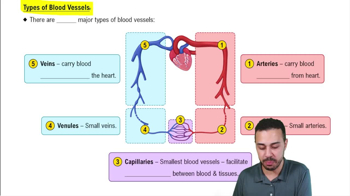
Types of Blood Vessels
Initiation of Pulmonary Circulation
At birth, the lungs expand and pulmonary circulation begins as the baby takes its first breaths. This causes a drop in pulmonary vascular resistance and an increase in blood flow to the lungs, raising pressure in the left side of the heart and enabling oxygenated blood to circulate systemically.
추천 영상:
가이드 코스
 05:03
05:031) Initiation of Translation
Closure of Fetal Shunts: Ductus Venosus and Ductus Arteriosus
The ductus venosus and ductus arteriosus are fetal blood vessels that bypass the liver and lungs, respectively. After birth, these shunts close and become fibrous ligaments, redirecting blood flow through the liver and lungs, which is essential for normal postnatal circulation.
추천 영상:
 02:12
02:12Reproduction
관련 실천