
Ch. 7 The Nervous System
Marieb - Essentials of Human Anatomy & Physiology 13th Edition
Marieb13th EditionEssentials of Human Anatomy & PhysiologyISBN: 9780135624340당신이 사용하는 게 아니라요?교과서 변경
7장, 문제 24

Clarence, an elderly man with a history of TIAs, complained to his daughter that he had a severe headache. Shortly thereafter, he lapsed into a coma. At the hospital, he was diagnosed as having a brain hemorrhage. Which part of the brain was damaged by the hemorrhage?

검증된 단계별 안내
1
Understand the context: A brain hemorrhage refers to bleeding within the brain, which can result from ruptured blood vessels. This condition often leads to damage in specific areas of the brain depending on the location of the hemorrhage.
Review the symptoms: Clarence experienced a severe headache followed by a coma. These symptoms suggest significant pressure or damage to critical areas of the brain responsible for consciousness and vital functions.
Identify the likely affected region: Given the severity of the symptoms, the hemorrhage may have occurred in the brainstem (which controls vital functions like breathing and consciousness) or the cerebral cortex (which is involved in higher-order functions). The exact location depends on the type and extent of the hemorrhage.
Consider the history of TIAs (Transient Ischemic Attacks): TIAs are often precursors to strokes or hemorrhages. They indicate compromised blood flow in the brain, which could make areas like the middle cerebral artery or basal ganglia more susceptible to damage.
Consult diagnostic imaging: To confirm the exact location of the hemorrhage, medical professionals would use imaging techniques such as CT scans or MRIs. These tools help pinpoint the damaged area and guide treatment decisions.

비슷한 문제에 대한 검증된 영상 답변:

이 영상 해법은 위 문제에 도움이 된다고 튜터들이 추천한 것입니다.
영상 길이:
3m

주요 개념

질문에 올바르게 답하기 위해 반드시 이해해야 하는 핵심 개념들은 다음과 같습니다.

Transient Ischemic Attack (TIA)

A Transient Ischemic Attack (TIA) is a temporary period of symptoms similar to those of a stroke. It occurs when there is a temporary decrease in blood supply to part of the brain, often serving as a warning sign for future strokes. Understanding TIAs is crucial as they indicate underlying vascular issues that can lead to more severe brain damage, such as a hemorrhage.
추천 영상:
가이드 코스
3:18
Cell Lysis of Invading Microbes

Brain Hemorrhage

A brain hemorrhage refers to bleeding within the brain tissue, which can result from various causes, including trauma, high blood pressure, or aneurysms. This condition can lead to increased intracranial pressure and damage to brain cells, potentially resulting in severe neurological deficits or coma, as seen in Clarence's case.
추천 영상:
3:10
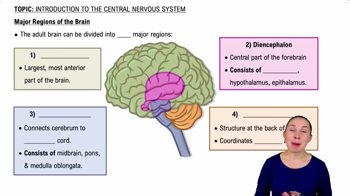
Major Regions of the Brain

Brain Anatomy and Function

Understanding the anatomy of the brain is essential for identifying which areas may be affected by a hemorrhage. The brain is divided into several regions, each responsible for different functions, such as movement, sensation, and cognition. Damage to specific areas, such as the cerebral cortex or brainstem, can lead to distinct clinical symptoms, including headaches and loss of consciousness.
추천 영상:
3:35
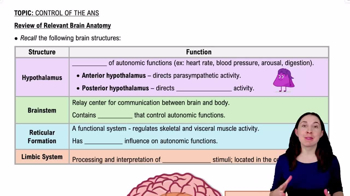
Review of Relevant Brain Anatomy