Ch. 21 Blood Vessels and Circulation
Martini - Fundamentals of Anatomy & Physiology 11th Edition
Martini, Nath, Bartholomew11th EditionFundamentals of Anatomy & PhysiologyISBN: 9780136874089당신이 사용하는 게 아니라요?교과서 변경
21장, 문제 4

Baroreceptors that function in the regulation of blood pressure are located in the:
(a) Left ventricle
(b) Brainstem
(c) Carotid sinus
(d) Common iliac artery
(e) Pulmonary trunk

검증된 단계별 안내
1
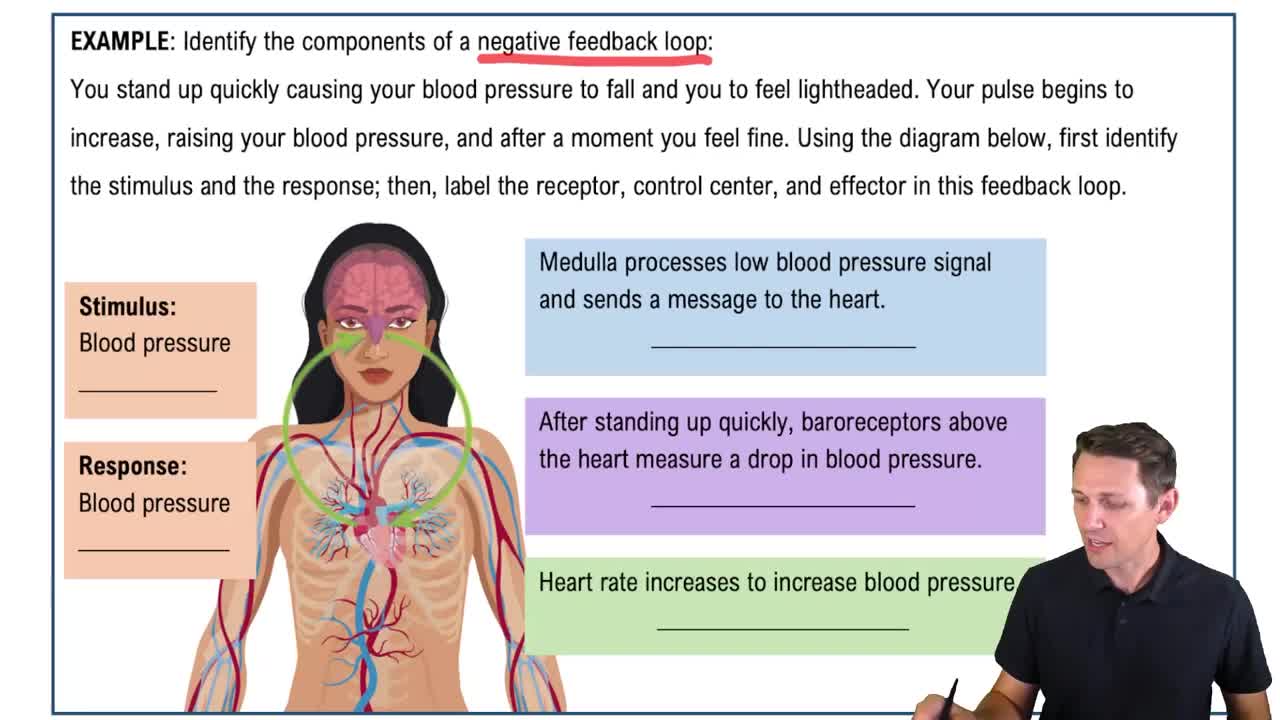
Step 1: Understand the role of baroreceptors. Baroreceptors are specialized sensory nerve endings that detect changes in blood pressure by sensing the stretch of blood vessel walls.
Step 2: Identify the common locations of baroreceptors involved in blood pressure regulation. These are typically found in large arteries where they can monitor systemic blood pressure effectively.
Step 3: Recall that the carotid sinus, located at the bifurcation of the common carotid artery, contains baroreceptors that monitor blood pressure going to the brain.
Step 4: Recognize that the aortic arch also contains baroreceptors, but this option is not listed among the choices.
Step 5: Conclude that among the given options, the carotid sinus (option c) is the correct location of baroreceptors involved in blood pressure regulation.

비슷한 문제에 대한 검증된 영상 답변:

이 영상 해법은 위 문제에 도움이 된다고 튜터들이 추천한 것입니다.

주요 개념

질문에 올바르게 답하기 위해 반드시 이해해야 하는 핵심 개념들은 다음과 같습니다.

Baroreceptors

Baroreceptors are specialized sensory nerve endings that detect changes in blood pressure by sensing the stretch of blood vessel walls. They play a critical role in maintaining cardiovascular homeostasis by sending signals to the brain to adjust heart rate and vessel diameter.
추천 영상:
03:00
Feedback Loops: Negative Feedback Example 1

Carotid Sinus

The carotid sinus is a dilated area located at the base of the internal carotid artery near the bifurcation of the common carotid artery. It contains baroreceptors that monitor blood pressure and relay information to the brainstem to regulate cardiovascular responses.
추천 영상:
2:13
The Skull Example 4

Blood Pressure Regulation via the Brainstem

The brainstem, particularly the medulla oblongata, processes signals from baroreceptors and coordinates autonomic responses to maintain stable blood pressure. It adjusts heart rate, vascular resistance, and cardiac output through sympathetic and parasympathetic pathways.
추천 영상:
가이드 코스
6:40
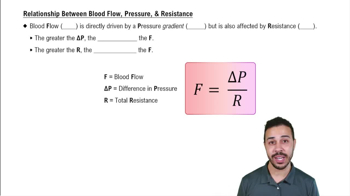
Relationship Between Blood Flow, Pressure, & Resistance