Ch. 27 - Bacteria and Archaea
Campbell - Campbell Biology 12th Edition
Urry12th EditionCampbell BiologyISBN: 9785794169850당신이 사용하는 게 아니라요?교과서 변경
27장, 문제 4

Which of the following involves metabolic cooperation among prokaryotic cells?
a. Binary fission
b. Endospore formation
c. Biofilms
d. Photoautotrophy

검증된 단계별 안내
1
Understand the concept of metabolic cooperation: Metabolic cooperation refers to the interaction between different cells to achieve a metabolic process that benefits the community of cells.
Review the options: a. binary fission, b. endospore formation, c. biofilms, d. photoautotrophy.
Analyze each option: Binary fission is a form of asexual reproduction, endospore formation is a survival mechanism, biofilms are communities of microorganisms, and photoautotrophy is a mode of nutrition.
Focus on biofilms: Biofilms are structured communities of prokaryotic cells that adhere to surfaces and are embedded in a self-produced extracellular matrix. These communities often involve metabolic cooperation among the cells.
Conclude that biofilms (option c) involve metabolic cooperation, as the cells within a biofilm can share resources and metabolic products, enhancing their survival and efficiency.

비슷한 문제에 대한 검증된 영상 답변:

이 영상 해법은 위 문제에 도움이 된다고 튜터들이 추천한 것입니다.
영상 길이:
2m
도움이 되었나요?

주요 개념

질문에 올바르게 답하기 위해 반드시 이해해야 하는 핵심 개념들은 다음과 같습니다.

Metabolic Cooperation

Metabolic cooperation refers to the interaction between different cells or organisms to optimize metabolic processes. In prokaryotes, this often involves the sharing of resources or division of labor, where different cells perform different metabolic functions that benefit the community as a whole. This cooperation can enhance survival and efficiency in various environments.
추천 영상:
07:08
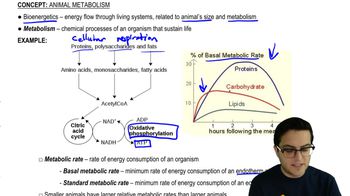
Metabolic Rate

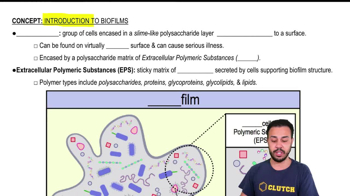
Biofilms

Biofilms are structured communities of microorganisms that adhere to surfaces and are embedded in a self-produced extracellular matrix. This matrix facilitates metabolic cooperation among the cells, allowing them to share nutrients, protect against environmental stresses, and resist antimicrobial agents. Biofilms are common in natural, industrial, and clinical settings, illustrating a key example of metabolic cooperation.
추천 영상:
03:31
Introduction to Biofilms

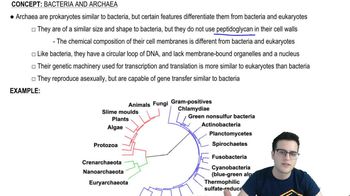
Prokaryotic Cell Interactions

Prokaryotic cell interactions involve various forms of communication and cooperation among bacterial cells. These interactions can include quorum sensing, where cells communicate through chemical signals to coordinate behavior, and syntrophy, where different species exchange metabolic products. Such interactions are crucial for forming complex communities like biofilms, where metabolic cooperation is essential for survival and function.
추천 영상:
08:52
Prokaryotic Cell Structures 3