Ch. 37 - Soil and Plant Nutrition
Campbell - Campbell Biology 12th Edition
Urry12th EditionCampbell BiologyISBN: 9785794169850당신이 사용하는 게 아니라요?교과서 변경
37장, 문제 1

The inorganic nutrient most often lacking in crops is:
a. Carbon
b. Nitrogen
c. Phosphorus
d. Potassium.

검증된 단계별 안내
1
Understand the role of each nutrient in plant growth: Carbon is a fundamental component of organic molecules, but it is not typically considered an inorganic nutrient. Nitrogen is crucial for the synthesis of amino acids and proteins. Phosphorus is important for energy transfer and genetic material. Potassium is involved in enzyme activation and water regulation.
Identify the common symptoms of nutrient deficiency in plants: Nitrogen deficiency often results in stunted growth and yellowing of leaves. Phosphorus deficiency can lead to poor root development and dark green leaves. Potassium deficiency might cause leaf curling and browning.
Consider the availability of these nutrients in soil: Nitrogen is often depleted due to its high demand and mobility in soil, making it a common limiting factor for plant growth.
Review agricultural practices: Farmers frequently add nitrogen fertilizers to soil to enhance crop yield, indicating its common deficiency.
Conclude which nutrient is most often lacking based on its role, deficiency symptoms, and agricultural practices: Nitrogen is typically the inorganic nutrient most often lacking in crops.

비슷한 문제에 대한 검증된 영상 답변:

이 영상 해법은 위 문제에 도움이 된다고 튜터들이 추천한 것입니다.
영상 길이:
2m
도움이 되었나요?

주요 개념

질문에 올바르게 답하기 위해 반드시 이해해야 하는 핵심 개념들은 다음과 같습니다.

Inorganic Nutrients

Inorganic nutrients are essential elements that plants absorb from the soil to support growth and development. Unlike organic nutrients, they do not contain carbon-hydrogen bonds. Key inorganic nutrients include nitrogen, phosphorus, and potassium, which are vital for various physiological processes in plants.
추천 영상:
03:25
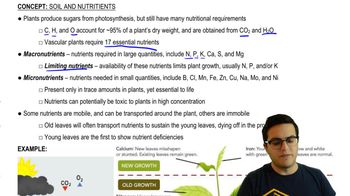
Soil Nutrients

Nitrogen in Plant Growth

Nitrogen is a crucial component of amino acids, proteins, and chlorophyll, making it vital for plant growth and photosynthesis. It is often the most limiting nutrient in agricultural soils, leading to reduced crop yields if not adequately supplied. Nitrogen deficiency can result in stunted growth and yellowing of leaves.
추천 영상:
06:31
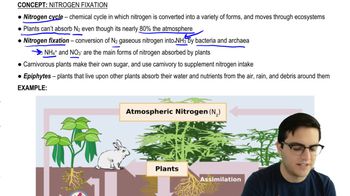
Nitrogen Cycle

Phosphorus in Plant Development

Phosphorus is essential for energy transfer within plants, as it is a component of ATP, the energy currency of cells. It also plays a critical role in root development and flowering. Phosphorus deficiency can lead to poor root growth and delayed maturity, affecting overall plant health and productivity.
추천 영상:
06:02
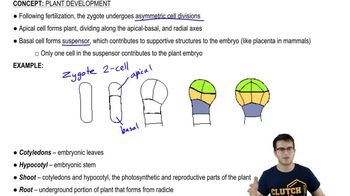
Embryonic Plant Development