Ch. 4 - Carbon and the Molecular Diversity of Life
Campbell - Campbell Biology 12th Edition
Urry12th EditionCampbell BiologyISBN: 9785794169850당신이 사용하는 게 아니라요?교과서 변경
4장, 문제 9b

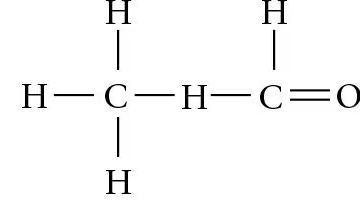
Draw Lewis dot structures for each hypothetical molecule shown below, using the correct number of valence electrons for each atom. Determine which molecule makes sense because each atom has a complete valence shell, and each bond has the correct number of electrons. Explain what makes the other molecule nonsensical, considering the number of bonds each type of atom can make.

검증된 단계별 안내
1
Identify the number of valence electrons for each atom in the molecule. Carbon (C) has 4 valence electrons, hydrogen (H) has 1 valence electron, and oxygen (O) has 6 valence electrons.
Count the total number of valence electrons available in the molecule. There are two carbon atoms, six hydrogen atoms, and one oxygen atom, giving a total of 2(4) + 6(1) + 6 = 20 valence electrons.
Draw the skeletal structure of the molecule, connecting atoms with single bonds initially. Place carbon atoms in the center, as they can form four bonds, and attach hydrogen atoms to the carbon atoms. Connect the oxygen atom to the second carbon atom.
Distribute the remaining valence electrons to satisfy the octet rule for each atom. Start by completing the octet for the oxygen atom, then ensure each carbon atom has a complete octet. Hydrogen atoms are satisfied with two electrons.
Evaluate the structure to ensure each atom has a complete valence shell. Carbon should have four bonds, hydrogen should have one bond, and oxygen should have two bonds (or a double bond with carbon). If any atom does not satisfy these conditions, the molecule is nonsensical.

비슷한 문제에 대한 검증된 영상 답변:

이 영상 해법은 위 문제에 도움이 된다고 튜터들이 추천한 것입니다.
영상 길이:
6m
도움이 되었나요?

주요 개념

질문에 올바르게 답하기 위해 반드시 이해해야 하는 핵심 개념들은 다음과 같습니다.

Lewis Dot Structures

Lewis dot structures are diagrams that represent the valence electrons of atoms within a molecule. Each dot corresponds to a valence electron, and the arrangement of these dots helps visualize how atoms bond and share electrons. Understanding these structures is crucial for determining the stability and reactivity of molecules, as they illustrate the complete valence shells necessary for chemical stability.
추천 영상:
가이드 코스
04:25
Community Structure

Valence Electrons

Valence electrons are the outermost electrons of an atom and are involved in forming bonds with other atoms. The number of valence electrons determines how many bonds an atom can form, influencing the molecule's structure and properties. For example, carbon has four valence electrons, allowing it to form four covalent bonds, while oxygen has six, typically forming two bonds to achieve a full valence shell.
추천 영상:
가이드 코스
07:41
Electron Transport Chain

Bonding and Molecular Stability

The stability of a molecule is largely determined by the type and number of bonds formed between atoms. Atoms tend to bond in ways that allow them to achieve a complete valence shell, often following the octet rule. Molecules that do not satisfy this requirement, such as those with incomplete or excessive bonds, are considered nonsensical or unstable, leading to reactivity or decomposition.
추천 영상:
가이드 코스
05:03
Hydrogen Bonding