Ch. 41 - Animal Nutrition
Campbell - Campbell Biology 12th Edition
Urry12th EditionCampbell BiologyISBN: 9785794169850당신이 사용하는 게 아니라요?교과서 변경
41장, 문제 7

If you were to jog 1 km a few hours after lunch, which stored fuel would you probably tap?
a. Muscle proteins
b. Muscle and liver glycogen
c. Fat in the liver
d. Fat in adipose tissue

검증된 단계별 안내
1
Understand that the body uses different energy sources depending on the intensity and duration of the exercise, as well as the time since the last meal.
Recognize that glycogen stored in muscles and the liver is a primary source of energy for short-term, moderate-intensity activities like jogging.
Consider that after a meal, the body will have replenished its glycogen stores, making glycogen a readily available energy source.
Note that fat stores, such as those in adipose tissue, are typically used for longer-duration, lower-intensity activities or when glycogen stores are depleted.
Conclude that for a short jog a few hours after eating, the body is most likely to use muscle and liver glycogen as the primary fuel source.

비슷한 문제에 대한 검증된 영상 답변:

이 영상 해법은 위 문제에 도움이 된다고 튜터들이 추천한 것입니다.
영상 길이:
2m

주요 개념

질문에 올바르게 답하기 위해 반드시 이해해야 하는 핵심 개념들은 다음과 같습니다.

Glycogen Storage and Utilization

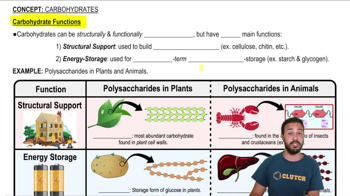
Glycogen is a stored form of glucose found primarily in the liver and muscles. After a meal, excess glucose is converted into glycogen for storage. During physical activities like jogging, the body first utilizes glycogen reserves for quick energy, especially from muscle glycogen, as it is readily accessible and can be rapidly mobilized to meet energy demands.
추천 영상:
05:08
Carbohydrate Functions

Energy Metabolism

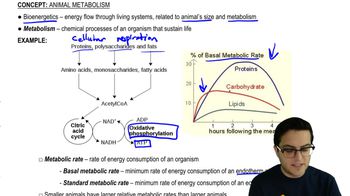
Energy metabolism refers to the biochemical processes that convert food into energy. The body prioritizes different energy sources based on availability and intensity of activity. For moderate activities like jogging, carbohydrates stored as glycogen are the primary energy source, as they provide a quick and efficient release of energy compared to fats or proteins.
추천 영상:
07:08
Metabolic Rate

Role of Adipose Tissue in Energy Storage

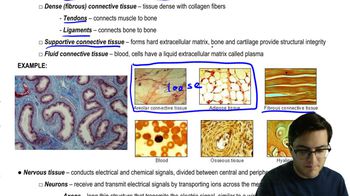
Adipose tissue stores energy in the form of fat, which is a long-term energy reserve. While fats provide a high energy yield, they are not the body's immediate choice for energy during short, moderate activities. Instead, fats are typically mobilized during prolonged, low-intensity exercise or when glycogen stores are depleted, making them less likely to be used for a short jog after a meal.
추천 영상:
06:20
Connective and Nervous Tissues