Ch. 9 - Cellular Respiration and Fermentation
Campbell - Campbell Biology 12th Edition
Urry12th EditionCampbell BiologyISBN: 9785794169850당신이 사용하는 게 아니라요?교과서 변경
9장, 문제 6

When electrons flow along the electron transport chains of mitochondria, which of the following changes occurs?
a. The pH of the matrix increases.
b. ATP synthase pumps protons by active transport.
c. The electrons gain free energy.
d. NAD+ is oxidized.

검증된 단계별 안내
1
Understand the role of the electron transport chain (ETC) in mitochondria: The ETC is a series of protein complexes located in the inner mitochondrial membrane that facilitates the transfer of electrons from electron donors like NADH and FADH2 to oxygen, the final electron acceptor.
Recognize the process of chemiosmosis: As electrons move through the ETC, protons (H+) are pumped from the mitochondrial matrix into the intermembrane space, creating a proton gradient across the inner mitochondrial membrane.
Consider the effect of the proton gradient: The accumulation of protons in the intermembrane space lowers the pH there, while the matrix becomes more alkaline, indicating an increase in pH.
Understand the role of ATP synthase: ATP synthase is a protein complex that uses the energy from the proton gradient to synthesize ATP from ADP and inorganic phosphate. It does not pump protons by active transport; instead, it allows protons to flow back into the matrix, driving ATP synthesis.
Evaluate the options: Based on the understanding of the ETC and chemiosmosis, determine which option correctly describes a change that occurs when electrons flow along the electron transport chains of mitochondria.

비슷한 문제에 대한 검증된 영상 답변:

이 영상 해법은 위 문제에 도움이 된다고 튜터들이 추천한 것입니다.
영상 길이:
2m
도움이 되었나요?

주요 개념

질문에 올바르게 답하기 위해 반드시 이해해야 하는 핵심 개념들은 다음과 같습니다.

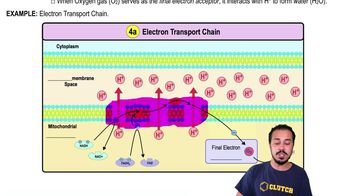
Electron Transport Chain

The electron transport chain (ETC) is a series of protein complexes located in the inner mitochondrial membrane. It facilitates the transfer of electrons from electron donors like NADH and FADH2 to electron acceptors such as oxygen, through redox reactions. This process generates a proton gradient across the membrane, which is crucial for ATP synthesis.
추천 영상:
가이드 코스
07:41
Electron Transport Chain

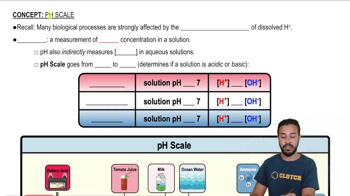
Proton Gradient and pH Change

As electrons move through the ETC, protons are pumped from the mitochondrial matrix into the intermembrane space, creating a proton gradient. This gradient results in a lower pH in the intermembrane space compared to the matrix. The flow of protons back into the matrix through ATP synthase drives the synthesis of ATP, increasing the matrix's pH.
추천 영상:

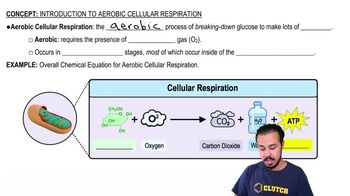
Role of NAD+ in Cellular Respiration

NAD+ is a crucial coenzyme in cellular respiration, acting as an electron carrier. It is reduced to NADH when it accepts electrons during glycolysis and the Krebs cycle. In the ETC, NADH is oxidized back to NAD+, releasing electrons that contribute to the electron flow and proton gradient necessary for ATP production.
추천 영상:
가이드 코스
03:39
Introduction to Cellular Respiration
관련 실천