

Ch. 30 - An Introduction to Animals
Freeman - Biological Science 8th Edition
Freeman8th EditionBiological ScienceISBN: 9780138276263당신이 사용하는 게 아니라요?교과서 변경
30장, 문제 4

Which of these characteristics does not apply to cnidarians?
a. Are diploblastic
b. Possess a gastrovascular cavity with one opening
c. Undergo metamorphosis
d. Have a central nervous system

검증된 단계별 안내
1
Understand the characteristics of cnidarians: Cnidarians are a group of animals that include jellyfish, corals, and sea anemones. They are known for their radial symmetry, diploblastic tissue organization (having two germ layers: ectoderm and endoderm), and a gastrovascular cavity with a single opening that serves as both mouth and anus.
Review the term 'diploblastic': Diploblastic organisms develop from two primary germ layers during embryonic development. This is a defining feature of cnidarians, so option 'a' applies to them.
Examine the gastrovascular cavity: Cnidarians possess a gastrovascular cavity with one opening, which is used for both ingestion and excretion. This characteristic matches option 'b'.
Analyze metamorphosis: Some cnidarians, such as jellyfish, undergo metamorphosis during their life cycle, transitioning from a polyp stage to a medusa stage. This means option 'c' applies to them.
Consider the central nervous system: Cnidarians do not have a central nervous system. Instead, they have a decentralized nerve net that coordinates their movements and responses. Therefore, option 'd' does not apply to cnidarians.

비슷한 문제에 대한 검증된 영상 답변:

이 영상 해법은 위 문제에 도움이 된다고 튜터들이 추천한 것입니다.
영상 길이:
1m
도움이 되었나요?

주요 개념

질문에 올바르게 답하기 위해 반드시 이해해야 하는 핵심 개념들은 다음과 같습니다.

Cnidarian Characteristics

Cnidarians are a group of animals that include jellyfish, corals, and sea anemones. They are characterized by their radial symmetry, presence of specialized cells called cnidocytes for capturing prey, and a simple body plan that includes a gastrovascular cavity. This cavity serves both digestive and circulatory functions, allowing for the distribution of nutrients throughout the organism.
추천 영상:
가이드 코스
09:26
Characteristics of Life

Diploblastic Organization

Diploblastic organisms, like cnidarians, develop from two primary germ layers: the ectoderm and endoderm. This contrasts with triploblastic organisms, which have a third layer called the mesoderm. The diploblastic structure contributes to the simpler body organization of cnidarians, influencing their physiological functions and overall morphology.
추천 영상:
가이드 코스
06:52
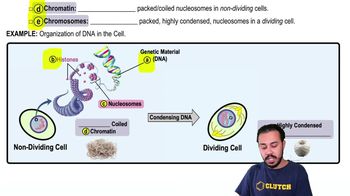
Organization of DNA in the Cell

Nervous System in Cnidarians

Cnidarians possess a decentralized nerve net rather than a central nervous system. This nerve net allows for basic responses to environmental stimuli, but it lacks the complexity found in organisms with a central nervous system. As a result, cnidarians do not exhibit behaviors associated with higher nervous systems, such as learning or complex movement patterns.
추천 영상:
가이드 코스
06:53
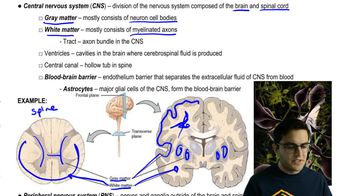
Organization of the Nervous System