
Ch. 38 - Flowering Plant Reproduction and Development
Freeman - Biological Science 8th Edition
Freeman8th EditionBiological ScienceISBN: 9780138276263당신이 사용하는 게 아니라요?교과서 변경
38장, 문제 16

Most flowering plants can achieve pollination in several different ways. Those that produce pollen and carpels on the same plant may be self-pollinated, but they may also be cross-pollinated by insects or other pollinators. The cape gooseberry (Physalis peruviana) shown here is able to produce seed whether it is self- or cross-pollinated.
Is one type of pollination better for reproductive success than the other?
Global bee populations have been declining over the past decade.
What impact might this have on the world's human population?

검증된 단계별 안내
1
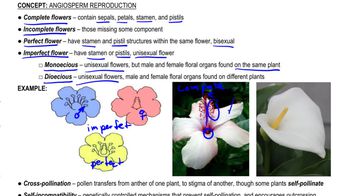
Understand the types of pollination: Self-pollination occurs when pollen from the same plant fertilizes its own ovules, while cross-pollination involves pollen transfer between different plants, often facilitated by pollinators like bees.
Consider the genetic diversity: Cross-pollination generally increases genetic diversity, which can lead to greater resilience and adaptability in plant populations. This diversity can be beneficial for reproductive success in changing environments.
Evaluate the impact of pollinator decline: With declining bee populations, plants that rely heavily on cross-pollination may experience reduced reproductive success, potentially leading to decreased plant diversity and crop yields.
Assess the implications for human populations: Reduced crop yields due to pollinator decline can lead to food shortages and increased food prices, impacting global food security and human populations, especially in regions heavily reliant on pollinated crops.
Explore potential solutions: Investigate strategies to mitigate the impact of declining pollinator populations, such as promoting alternative pollinators, enhancing habitat conservation, and developing agricultural practices that support pollinator health.

비슷한 문제에 대한 검증된 영상 답변:

이 영상 해법은 위 문제에 도움이 된다고 튜터들이 추천한 것입니다.
영상 길이:
1m
도움이 되었나요?

주요 개념

질문에 올바르게 답하기 위해 반드시 이해해야 하는 핵심 개념들은 다음과 같습니다.

Pollination

Pollination is the process by which pollen is transferred from the male part of a flower (anther) to the female part (stigma), enabling fertilization and seed production. It can occur through self-pollination, where pollen from the same plant fertilizes the ovules, or cross-pollination, where pollen is transferred between different plants, often by wind or pollinators like insects.
추천 영상:

Self-Pollination vs. Cross-Pollination

Self-pollination involves a single plant's pollen fertilizing its own ovules, ensuring reproduction even in isolation but potentially limiting genetic diversity. Cross-pollination, facilitated by external agents like insects, promotes genetic variation and adaptability, which can enhance reproductive success and resilience against environmental changes.
추천 영상:

Impact of Declining Pollinator Populations

The decline in global bee populations poses a significant threat to cross-pollination, which many crops rely on for fruit and seed production. Reduced pollinator activity can lead to lower agricultural yields, affecting food supply and biodiversity, and potentially causing economic and nutritional challenges for the human population worldwide.
추천 영상:
가이드 코스
03:35
Geographic Impact on Communities
관련 실천
교과서 질문

Most flowering plants can achieve pollination in several different ways. Those that produce pollen and carpels on the same plant may be self-pollinated, but they may also be cross-pollinated by insects or other pollinators. The cape gooseberry (Physalis peruviana) shown here is able to produce seed whether it is self- or cross-pollinated.

Is one type of pollination better for reproductive success than the other?

Why might it be advantageous for plants to promote cross-pollination?

What are the advantages of self-pollination?

925
views
교과서 질문

Most flowering plants can achieve pollination in several different ways. Those that produce pollen and carpels on the same plant may be self-pollinated, but they may also be cross-pollinated by insects or other pollinators. The cape gooseberry (Physalis peruviana) shown here is able to produce seed whether it is self- or cross-pollinated.

Is one type of pollination better for reproductive success than the other?

In general, larger fruits tend to earn higher profits for farmers who grow cape gooseberries as a crop.

Compared to self-pollinated flowers, what is the approximate percentage of difference in fruit size of bee-pollinated flowers?

1174
views
교과서 질문

Most flowering plants can achieve pollination in several different ways. Those that produce pollen and carpels on the same plant may be self-pollinated, but they may also be cross-pollinated by insects or other pollinators. The cape gooseberry (Physalis peruviana) shown here is able to produce seed whether it is self- or cross-pollinated.

Is one type of pollination better for reproductive success than the other?

Based on the data in the graphs provided, approximately how many ovules are found in each gooseberry carpel?

1001
views