
Ch. 41 - Animal Nutrition
Freeman - Biological Science 8th Edition
Freeman8th EditionBiological ScienceISBN: 9780138276263당신이 사용하는 게 아니라요?교과서 변경
41장, 문제 16e

Minnows are mainly carnivorous, eating insects and other small animals. However, herbivory has evolved independently in minnows several times.
What changes in digestive structure and function are associated with the evolution of herbivory?
Why did the researchers compare relative gut length instead of absolute gut length?

검증된 단계별 안내
1
Understand the dietary shift: Herbivory in minnows involves a shift from a carnivorous diet to one that includes plant material. This shift requires adaptations in the digestive system to efficiently process plant matter, which is typically more fibrous and difficult to digest than animal matter.
Identify structural changes: Herbivorous minnows may develop longer intestines or specialized gut structures such as ceca or fermentation chambers. These adaptations help break down cellulose and other complex carbohydrates found in plants, often with the aid of symbiotic microorganisms.
Examine functional changes: The digestive enzymes in herbivorous minnows may differ from those in carnivorous minnows. Enzymes like cellulase, which breaks down cellulose, might be more prevalent or active in herbivorous species.
Consider the importance of relative gut length: Researchers compare relative gut length (gut length relative to body length) rather than absolute gut length to account for differences in body size among individuals or species. This allows for a more accurate comparison of gut adaptations related to diet.
Explore evolutionary implications: The evolution of herbivory in minnows suggests selective pressures that favor individuals with digestive systems capable of processing plant material. This can lead to increased survival and reproduction in environments where plant resources are abundant.

비슷한 문제에 대한 검증된 영상 답변:

이 영상 해법은 위 문제에 도움이 된다고 튜터들이 추천한 것입니다.
영상 길이:
1m

주요 개념

질문에 올바르게 답하기 위해 반드시 이해해야 하는 핵심 개념들은 다음과 같습니다.

Evolution of Herbivory

Herbivory in minnows involves adaptations that allow them to digest plant material efficiently. This evolutionary change often requires modifications in digestive enzymes and gut morphology to break down cellulose and other plant components. Understanding these adaptations helps explain how minnows can shift from a carnivorous diet to herbivory.
추천 영상:
01:44
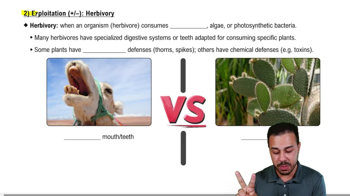
2) Exploitation (+/-): Herbivory

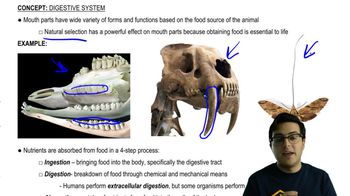
Digestive Structure and Function

Digestive structure and function refer to the physical and biochemical systems that enable organisms to process food. In herbivorous minnows, changes may include elongated intestines for increased digestion time and specialized enzymes for breaking down plant matter. These adaptations are crucial for extracting nutrients from a plant-based diet.
추천 영상:
05:11
Digestion and Digestive Tracts

Relative Gut Length

Relative gut length is the ratio of gut length to body length, providing a standardized measure across different sizes of fish. Researchers use this metric to compare digestive efficiency and adaptation to diet, as it accounts for size variations that absolute gut length does not. This approach helps in understanding evolutionary changes in gut morphology related to diet.
추천 영상:
가이드 코스
03:54
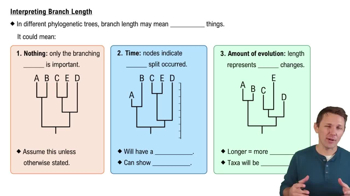
Interpreting Branch Length