Ch. 53 - Ecosystems and Global Ecology
Freeman - Biological Science 8th Edition
Freeman8th EditionBiological ScienceISBN: 9780138276263당신이 사용하는 게 아니라요?교과서 변경
53장, 문제 3

Which of the following is the longest-lived reservoir for carbon?
a. Atmospheric CO2
b. Marine plankton (primary producers and consumers)
c. Fossil fuels
d. Wood

검증된 단계별 안내
1
Understand the concept of carbon reservoirs: Carbon reservoirs are natural storage places for carbon, and they vary in how long they hold carbon. Some reservoirs, like the atmosphere, cycle carbon quickly, while others, like fossil fuels, store carbon for much longer periods.
Consider the atmospheric CO2: Atmospheric carbon dioxide is part of the fast carbon cycle, where carbon is exchanged between the atmosphere, oceans, and living organisms relatively quickly, often within years or decades.
Evaluate marine plankton: Marine plankton, including primary producers and consumers, are part of the biological carbon cycle. They absorb carbon dioxide during photosynthesis and release it during respiration and decomposition, typically cycling carbon within a few years.
Analyze fossil fuels: Fossil fuels, such as coal, oil, and natural gas, are formed from ancient organic matter that has been buried and transformed over millions of years. They represent a long-term carbon reservoir, storing carbon for geological timescales.
Consider wood: Wood, as part of living trees and plants, stores carbon for the lifespan of the organism, which can range from decades to centuries. However, it is not as long-lived as fossil fuels, which store carbon for millions of years.

비슷한 문제에 대한 검증된 영상 답변:

이 영상 해법은 위 문제에 도움이 된다고 튜터들이 추천한 것입니다.
영상 길이:
3m

주요 개념

질문에 올바르게 답하기 위해 반드시 이해해야 하는 핵심 개념들은 다음과 같습니다.

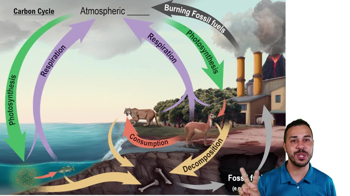
Carbon Cycle

The carbon cycle is the process through which carbon is exchanged between the Earth's atmosphere, oceans, soil, and living organisms. It includes various reservoirs where carbon is stored, such as the atmosphere, biosphere, oceans, and geosphere. Understanding the carbon cycle is crucial for identifying which reservoir holds carbon for the longest duration.
추천 영상:
04:20
Carbon Cycle

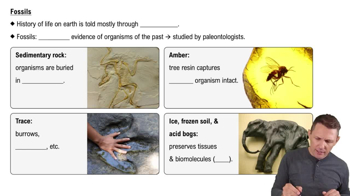
Fossil Fuels

Fossil fuels are natural substances formed from the remains of ancient organisms, primarily plants and animals, over millions of years. They include coal, oil, and natural gas, and serve as a significant long-term carbon reservoir. The carbon stored in fossil fuels is released back into the atmosphere when they are burned for energy.
추천 영상:

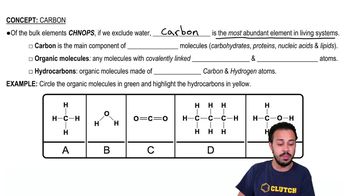
Carbon Reservoirs

Carbon reservoirs are natural storage locations for carbon within the carbon cycle, including the atmosphere, oceans, living organisms, and geological formations. Each reservoir has a different capacity and duration for storing carbon. Fossil fuels represent one of the longest-lived reservoirs due to the slow geological processes involved in their formation.
추천 영상:
04:19
Carbon