

Ch. 54 - Biodiversity and Conservation Ecology
Freeman - Biological Science 8th Edition
Freeman8th EditionBiological ScienceISBN: 9780138276263당신이 사용하는 게 아니라요?교과서 변경
54장, 문제 10

The maps shown here chronicle the loss of old-growth forest (more than 200 years old) that occurred in the United States. In your opinion, under what conditions is it ethical for conservationists who live in the United States to lobby government officials in Brazil, Indonesia, and other tropical countries to slow the rate of loss of old-growth forest?

검증된 단계별 안내
1
insert step 1
insert step 2
insert step 3
insert step 4
insert step 5

비슷한 문제에 대한 검증된 영상 답변:

이 영상 해법은 위 문제에 도움이 된다고 튜터들이 추천한 것입니다.
영상 길이:
51s

주요 개념

질문에 올바르게 답하기 위해 반드시 이해해야 하는 핵심 개념들은 다음과 같습니다.

Old-Growth Forests

Old-growth forests are ecosystems characterized by trees that are typically over 200 years old, featuring complex structures and rich biodiversity. These forests provide critical habitats for numerous species, contribute to carbon storage, and play a vital role in maintaining ecological balance. Their preservation is essential for sustaining biodiversity and mitigating climate change.
추천 영상:
06:52
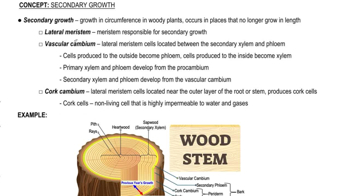
Secondary Growth

Conservation Ethics

Conservation ethics involves the moral principles guiding the protection of natural resources and ecosystems. It raises questions about the responsibilities of individuals and organizations in advocating for environmental protection, especially in foreign contexts. Ethical conservationists must consider cultural, social, and economic factors when lobbying for environmental policies in other countries.
추천 영상:
03:56
Conservation Biology and Biodiversity

International Environmental Policy

International environmental policy refers to the frameworks and agreements that govern how countries collaborate to address global environmental issues. This includes treaties and conventions aimed at protecting biodiversity and forests. Understanding these policies is crucial for conservationists when engaging with governments in tropical countries, as they must navigate complex legal and diplomatic landscapes.
추천 영상:
10:15
Environmental Tonicity Affects Cells
관련 실천
교과서 질문

The population size of mountain pine beetles in the American Northwest has long been held in check by freezing temperatures during the winters. As winters warm, populations of pine beetles are increasing, killing whitebark pine forest. Grizzly bears rely on the nuts of whitebark pine trees. Do you think climate change is affecting the fitness of the grizzly bear population?


a. No, because climate change is affecting the beetles, not the bears.

b. Yes, because climate change is decreasing the food supply of the bears, which means they will be less strong.

c. Yes, because climate change is decreasing the food supply of the bears, which is likely to reduce their ability to survive or reproduce.

455
views
교과서 질문

Do you drink coffee? A lot of people do—coffee is a major tropical crop, valued at over \$100 billion per year. The most popular species of coffee, Coffea arabica, originated in Africa and is now planted extensively in Central and South America. The pest called the coffee berry borer beetle (Hypothenemus hampeii) moved along with the coffee and is a major problem for coffee farmers, sometimes destroying half of the coffee crop in mature plantations.

Based on what you have learned in this chapter about global trends in terrestrial ecosystems, what is currently the largest threat to the wet tropical forests in Central America?

a. Habitat destruction, such as the clearing of forests for coffee plantations

b. Exotic species, such as the introduction of coffee berry borers

c. Pollution, such as the use of pesticides in coffee plantations

d. Climate change, such as changes in precipitation patterns

653
views
교과서 질문

Explain why the construction of wildlife corridors can help maintain genetic diversity in a fragmented landscape.

856
views
교과서 질문

Do you drink coffee? A lot of people do—coffee is a major tropical crop, valued at over \$100 billion per year. The most popular species of coffee, Coffea arabica, originated in Africa and is now planted extensively in Central and South America. The pest called the coffee berry borer beetle (Hypothenemus hampeii) moved along with the coffee and is a major problem for coffee farmers, sometimes destroying half of the coffee crop in mature plantations.

Pesticides are generally ineffective in killing coffee berry borers. Ecologist Daniel Karp and colleagues conducted a study in Costa Rica to determine if natural predators like birds reduce the beetle population. The researchers selected 12 control plots and used nets to exclude birds from 12 similar treatment plots. What is the take-home message of the graph? (Remember, * means P < 6 0.05)

529
views
교과서 질문

Some biologists prefer to focus efforts on preserving endangered species while others prefer to focus on preserving ecosystems. What is your advice to biologists, based on the evidence?

685
views