Skip to main content
Financial Accounting
나의 코스
배우기
시험 준비
AI 튜터
학습 가이드
플래시카드
탐험해 보세요
앱을 사용해 보세요
나의 코스
배우기
시험 준비
AI 튜터
학습 가이드
플래시카드
탐험해 보세요
앱을 사용해 보세요
뒤로
Depreciation: Straight Line definitions
카드를 뒤집기 위해 탭할 수 있습니다.
Depreciation
카드를 뒤집기 위해 탭할 수 있습니다.
👆
Depreciation
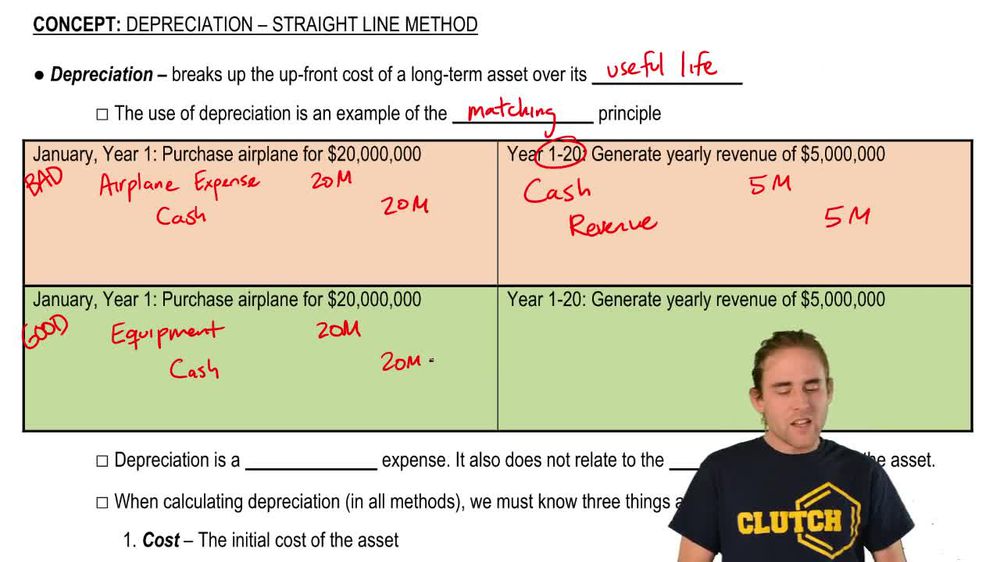
Allocation of a fixed asset's cost over its useful life to match expenses with related revenues, as required by GAAP.
진행 상황 추적
컨트롤 버튼이 '내비게이션' 모드로 변경되었습니다.
1/15
관련 플래시카드
관련 실천
추천 영상
Depreciation: Straight Line quiz #1
Depreciation: Straight Line
21 용어
Depreciation: Straight Line
8. Long Lived Assets
9 문제점
주제
Depreciation: Declining Balance
8. Long Lived Assets
10 문제점
주제
8. Long Lived Assets - Part 1 of 2
14 주제
15 문제점
장
8. Long Lived Assets - Part 2 of 2
1 주제
3 문제점
장
VideoThumbView.guidedCourse
05:42
Straight Line Method Through Life of Asset
1147
views
28
rank
VideoThumbView.guidedCourse
11:55
Introduction to Depreciation
1837
views
26
rank
VideoThumbView.guidedCourse
06:30
Straight Line Depreciation
1523
views
33
rank
이 집합의 용어 (15)
하이드의 정의
Depreciation
Allocation of a fixed asset's cost over its useful life to match expenses with related revenues, as required by GAAP.
Straight-Line Method
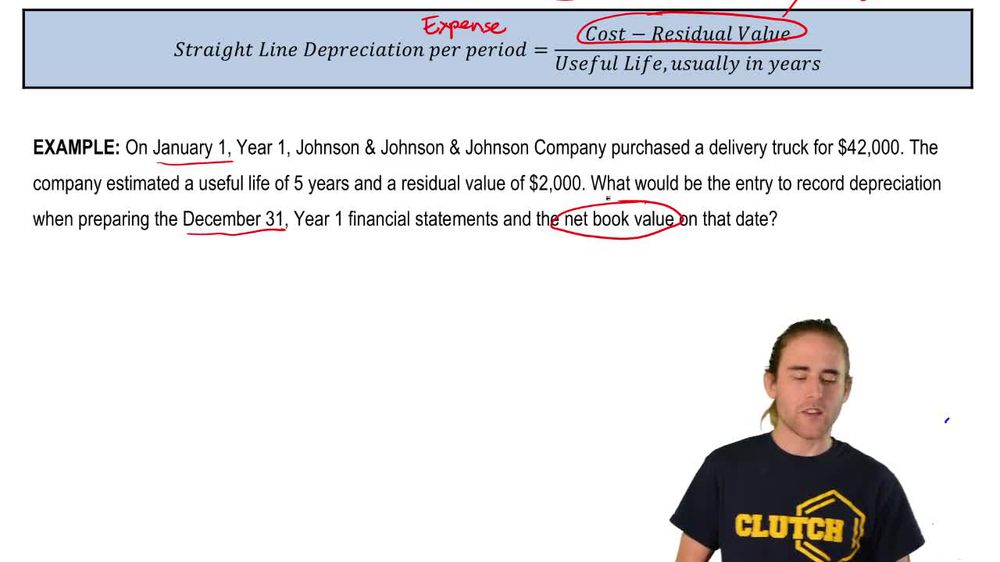
Technique that spreads the depreciable base evenly over the asset's useful life, resulting in equal annual expense amounts.
Fixed Asset
Long-term tangible resource used in operations, such as equipment or vehicles, expected to provide benefits for multiple years.
Matching Principle
Accounting guideline requiring expenses to be recognized in the same period as the revenues they help generate.
GAAP
Set of standardized accounting rules in the U.S. that govern financial reporting and require systematic expense allocation.
Depreciation Expense
Annual charge reflecting the portion of an asset's cost allocated to the current period under a chosen depreciation method.
Accumulated Depreciation
Total depreciation recorded against an asset since acquisition, shown as a contra asset account on the balance sheet.
Contra Asset Account
Account that offsets a related asset account, reducing its book value on the balance sheet.
Net Book Value
Amount reported for an asset on the balance sheet, calculated as historical cost minus accumulated depreciation.
Residual Value
Estimated amount expected to be recovered at the end of an asset's useful life, also known as salvage value.
Useful Life
Estimated period over which an asset is expected to contribute to revenue generation for a business.
Depreciable Base
Difference between an asset's cost and its residual value, representing the total amount to be depreciated.
Historical Cost
Original purchase price of an asset, used as the basis for calculating depreciation and reported on the balance sheet.
Non-Cash Expense
Expense recognized in the accounting records that does not involve an actual cash outflow during the period.
Journal Entry
Formal accounting record documenting the debit to depreciation expense and credit to accumulated depreciation for each period.
 뒤로뒤로
뒤로뒤로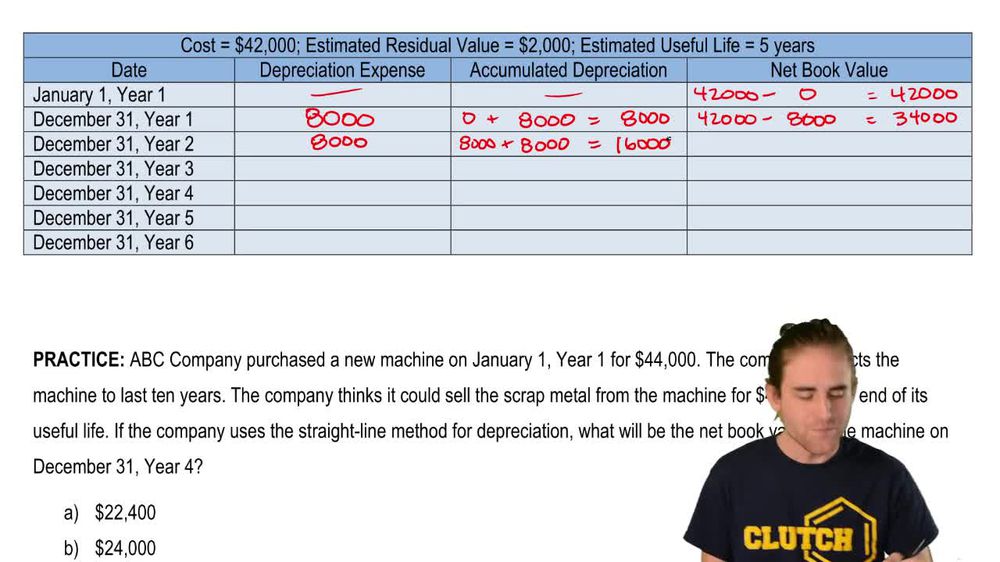
 05:42
05:42