Skip to main content
Financial Accounting
나의 코스
배우기
시험 준비
AI 튜터
학습 가이드
플래시카드
탐험해 보세요
앱을 사용해 보세요
나의 코스
배우기
시험 준비
AI 튜터
학습 가이드
플래시카드
탐험해 보세요
앱을 사용해 보세요
뒤로
Investing Activities definitions
카드를 뒤집기 위해 탭할 수 있습니다.
Investing Activities
카드를 뒤집기 위해 탭할 수 있습니다.
👆
Investing Activities
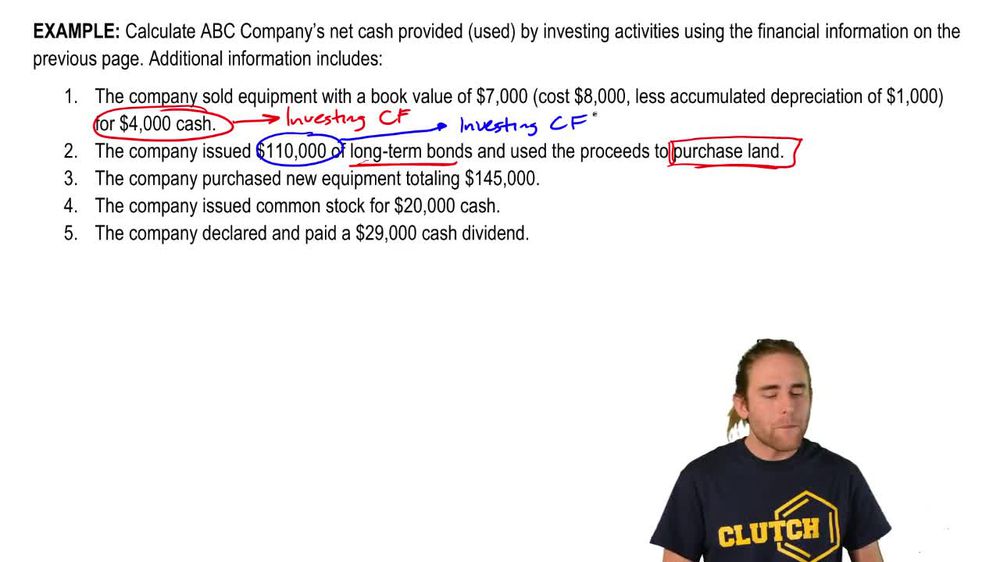
Section of the cash flow statement focused on transactions involving long-term assets such as equipment, land, and investments.
진행 상황 추적
컨트롤 버튼이 '내비게이션' 모드로 변경되었습니다.
1/15
관련 플래시카드
관련 실천
추천 영상
Investing Activities quiz #1
Investing Activities
10 용어
Investing Activities
13. Statement of Cash Flows
10 문제점
주제
Financing Activities
13. Statement of Cash Flows
10 문제점
주제
13. Statement of Cash Flows
6 주제
15 문제점
장
VideoThumbView.guidedCourse
08:04
Investing Activities Summary
1386
views
23
rank
VideoThumbView.guidedCourse
12:23
Investing Activities
1060
views
20
rank
1
comments
이 집합의 용어 (15)
하이드의 정의
Investing Activities
Section of the cash flow statement focused on transactions involving long-term assets such as equipment, land, and investments.
Long-term Assets
Resources like equipment, land, and buildings expected to provide benefits for more than one year and tracked in investing activities.
Plant Assets
Tangible long-term resources such as equipment and buildings used in operations and subject to depreciation.
Intangibles
Non-physical long-term resources like patents or trademarks, included in investing activities when bought or sold.
Cash Inflow
Money received from selling long-term assets or investments, recorded in the investing section of the cash flow statement.
Cash Outflow
Money paid to acquire long-term assets or investments, shown as a negative amount in the investing section.
Journal Entry
Accounting record that documents the details of asset sales, including cash received, cost, and accumulated depreciation.
Historical Cost
Original purchase price of a long-term asset, used in journal entries to remove the asset from the books upon sale.
Accumulated Depreciation
Total depreciation recorded against a long-term asset, reducing its book value and removed when the asset is sold.
Contra Asset
Account that offsets a related asset account, such as accumulated depreciation reducing the value of equipment.
Gain on Sale
Excess of proceeds over the book value when a long-term asset is sold, recorded as a credit in the journal entry.
Loss on Sale
Shortfall when proceeds from selling a long-term asset are less than its book value, recorded as a debit in the journal entry.
Depreciation Expense
Periodic allocation of an asset’s cost over its useful life, increasing accumulated depreciation each period.
Book Value
Net amount of an asset on the books, calculated as historical cost minus accumulated depreciation.
Cash Flow Statement
Financial report summarizing cash inflows and outflows from operating, investing, and financing activities.
 뒤로뒤로
뒤로뒤로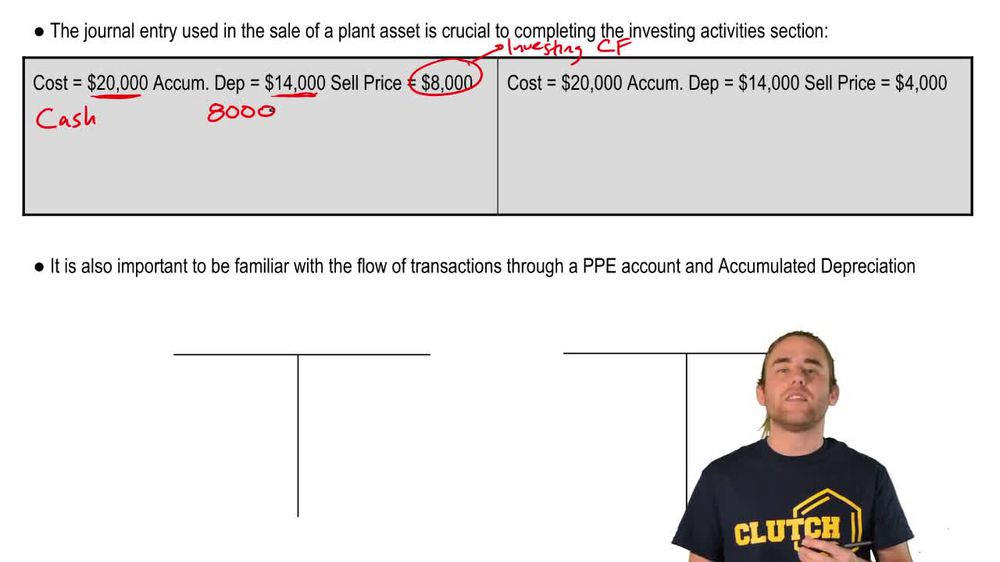
 08:04
08:04