Skip to main content
Financial Accounting
나의 코스
배우기
시험 준비
AI 튜터
학습 가이드
플래시카드
탐험해 보세요
앱을 사용해 보세요
나의 코스
배우기
시험 준비
AI 튜터
학습 가이드
플래시카드
탐험해 보세요
앱을 사용해 보세요
뒤로
Periodic Inventory - FIFO, LIFO, and Average Cost definitions
카드를 뒤집기 위해 탭할 수 있습니다.
Periodic Inventory System
카드를 뒤집기 위해 탭할 수 있습니다.
👆
Periodic Inventory System
Inventory and cost of goods sold are updated only at the end of the period, not after each transaction.
진행 상황 추적
컨트롤 버튼이 '내비게이션' 모드로 변경되었습니다.
1/15
관련 플래시카드
관련 실천
추천 영상
Periodic Inventory - FIFO, LIFO, and Average Cost quiz #1
Periodic Inventory - FIFO, LIFO, and Average Cost
19 용어
Periodic Inventory - FIFO, LIFO, and Average Cost
5. Inventory
10 문제점
주제
Perpetual Inventory - FIFO, LIFO, and Average Cost
5. Inventory
5 문제점
주제
5. Inventory - Part 1 of 2
7 주제
15 문제점
장
5. Inventory - Part 2 of 2
1 주제
3 문제점
장
VideoThumbView.guidedCourse
06:32
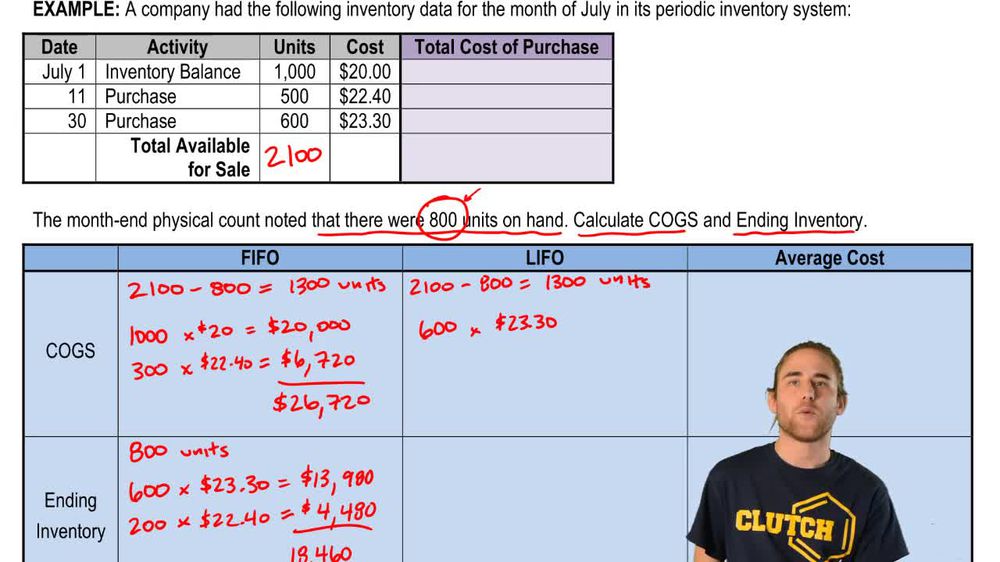
Periodic Inventory FIFO Method
2932
views
40
rank
VideoThumbView.guidedCourse
04:30
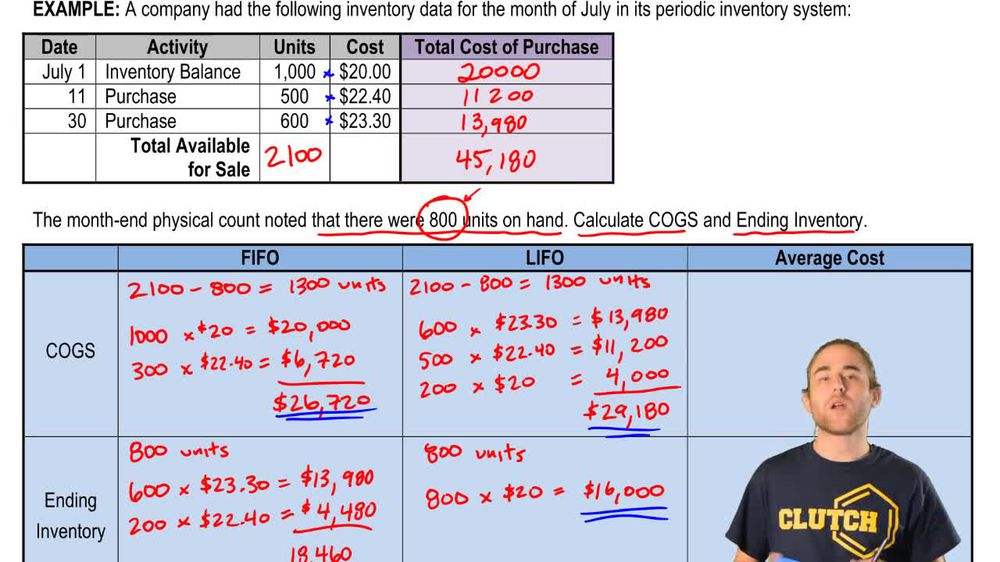
Periodic Inventory LIFO Method
2003
views
32
rank
VideoThumbView.guidedCourse
06:23
Periodic Inventory Average Cost Method
2046
views
53
rank
이 집합의 용어 (15)
하이드의 정의
Periodic Inventory System
Inventory and cost of goods sold are updated only at the end of the period, not after each transaction.
FIFO
Costing method where the oldest inventory costs are assigned to cost of goods sold, reflecting earlier purchase prices.
LIFO
Costing method where the most recent inventory costs are assigned to cost of goods sold, reflecting latest purchase prices.
Average Cost Method
Costing method using the weighted average of all units' costs to determine cost of goods sold and ending inventory.
Cost Flow Assumption
Accounting approach for assigning costs to inventory and cost of goods sold, independent of the actual movement of goods.
Cost of Goods Sold
Total cost assigned to inventory items that have been sold during the period, reducing inventory value.
Ending Inventory
Value of unsold goods physically counted and reported at the end of the accounting period.
Goods Available for Sale
Sum of beginning inventory and purchases, representing all inventory that could be sold during the period.
Beginning Inventory
Inventory value carried over from the previous period, forming the starting point for current period calculations.
Purchases
Inventory items acquired during the period, added to beginning inventory to determine goods available for sale.
Physical Flow of Goods
Actual movement of inventory items, which may differ from the cost flow assumption used in accounting records.
Cost per Unit
Average amount paid for each inventory item, calculated by dividing total cost by total units purchased.
Inventory Count
Physical process of tallying remaining inventory items at the end of the period to determine ending inventory.
Identical Units
Inventory items that are indistinguishable from each other, making cost assignment dependent on accounting methods.
Financial Records
Documentation and reports tracking inventory values, purchases, and cost of goods sold for accounting purposes.
 뒤로뒤로
뒤로뒤로
 06:32
06:32