Skip to main content
Financial Accounting
나의 코스
배우기
시험 준비
AI 튜터
학습 가이드
플래시카드
탐험해 보세요
앱을 사용해 보세요
나의 코스
배우기
시험 준비
AI 튜터
학습 가이드
플래시카드
탐험해 보세요
앱을 사용해 보세요
뒤로
The Financial Statements quiz #10
카드를 뒤집기 위해 탭할 수 있습니다.
What does an income statement report?
카드를 뒤집기 위해 탭할 수 있습니다.
👆
What does an income statement report?
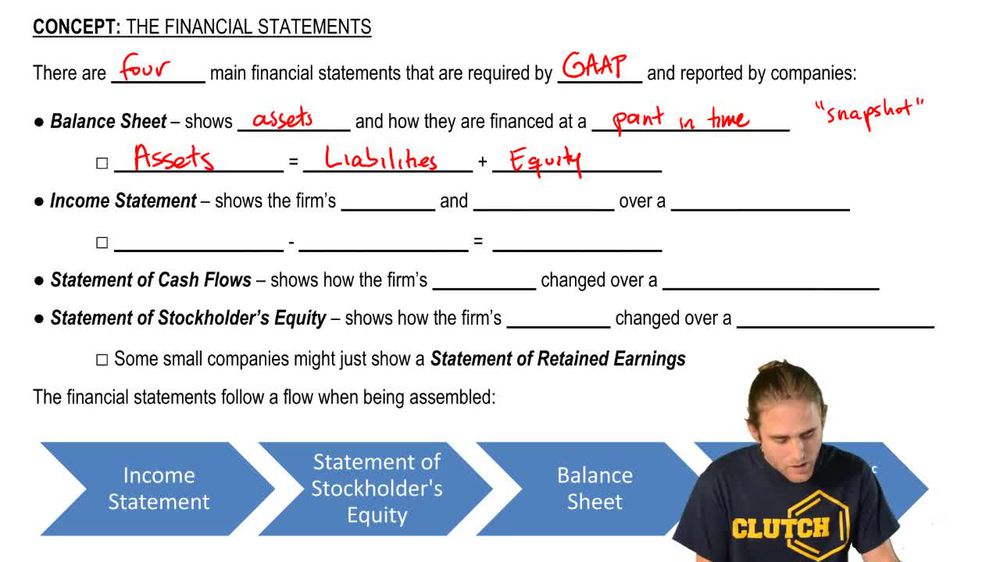
An income statement reports revenues, expenses, and net income or loss for a period.
진행 상황 추적
컨트롤 버튼이 '내비게이션' 모드로 변경되었습니다.
1/25
관련 플래시카드
관련 실천
추천 영상
The Financial Statements definitions
The Financial Statements
15 용어
The Financial Statements quiz #1
The Financial Statements
40 용어
The Financial Statements quiz #2
The Financial Statements
40 용어
The Financial Statements
1. Introduction to Accounting
10 문제점
주제
Sample Financial Statements - Coca Cola
1. Introduction to Accounting
10 문제점
주제
1. Introduction to Accounting
7 주제
15 문제점
장
VideoThumbView.guidedCourse
09:57
Account Title Classification
5752
views
218
rank
1
comments
VideoThumbView.guidedCourse
06:00
Financial Statements
9250
views
276
rank
이 집합의 용어 (25)
하이드의 정의
What does an income statement report?
An income statement reports revenues, expenses, and net income or loss for a period.
What types of accounts are shown on the balance sheet?
The balance sheet shows asset, liability, and equity accounts.
Which accounts are found on an income statement?
Revenue and expense accounts are found on an income statement.
Which account appears on the balance sheet?
Asset, liability, and equity accounts appear on the balance sheet.
Which items belong on the income statement?
Revenues and expenses belong on the income statement.
On which financial statement does accounts receivable appear?
Accounts receivable appears on the balance sheet as an asset.
Which account does not appear on the balance sheet?
Revenue and expense accounts do not appear on the balance sheet.
Which account does not appear on the balance sheet?
Revenue and expense accounts do not appear on the balance sheet.
Which item would not be found on an income statement?
Assets, liabilities, and equity accounts would not be found on an income statement.
Which accounts are found on the income statement?
Revenue and expense accounts are found on the income statement.
Which accounts are found on the income statement?
Revenue and expense accounts are found on the income statement.
Which accounts are found in an income statement?
Revenue and expense accounts are found in an income statement.
Which account is not on the balance sheet?
Revenue and expense accounts are not on the balance sheet.
Which account does not appear on a balance sheet?
Revenue and expense accounts do not appear on a balance sheet.
Which does not appear on a balance sheet?
Revenue and expense accounts do not appear on a balance sheet.
What does a balance sheet provide?
A balance sheet provides a snapshot of a company's assets, liabilities, and equity at a specific point in time.
Which accounts are found on an income statement?
Revenue and expense accounts are found on an income statement.
Which accounts are found on an income statement?
Revenue and expense accounts are found on an income statement.
What is the purpose of a balance sheet?
The purpose of a balance sheet is to show a company's assets, liabilities, and equity at a specific point in time.
What accounts are found in an income statement?
Revenue and expense accounts are found in an income statement.
What is the purpose of an income statement?
The purpose of an income statement is to report a company's revenues, expenses, and net income or loss for a period.
What is another name for the income statement?
Another name for the income statement is the statement of earnings or statement of operations.
What is another name for the income statement?
Another name for the income statement is the statement of earnings or statement of operations.
What is the best description of a balance sheet?
A balance sheet is a financial statement that provides a snapshot of a company's assets, liabilities, and equity at a specific point in time.
How often should a balance sheet be prepared?
A balance sheet should be prepared at the end of each accounting period, such as monthly, quarterly, or annually.
 뒤로뒤로
뒤로뒤로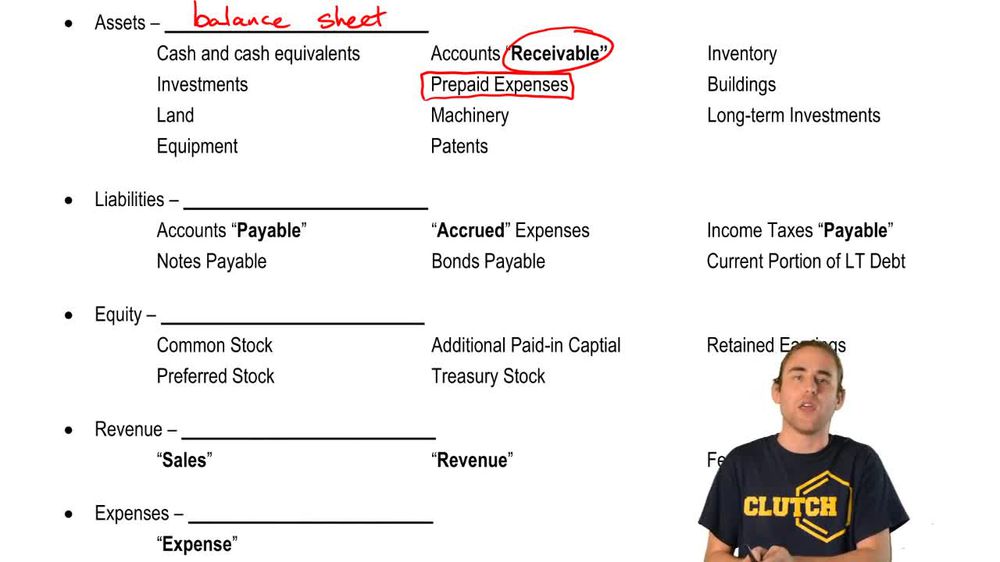
 09:57
09:57