Skip to main content
General Chemistry
나의 코스
배우기
시험 준비
AI 튜터
학습 가이드
교과서적 해결책
플래시카드
탐험해 보세요
앱을 사용해 보세요
나의 코스
배우기
시험 준비
AI 튜터
학습 가이드
교과서적 해결책
플래시카드
탐험해 보세요
앱을 사용해 보세요
뒤로
Catalyst quiz #2
카드를 뒤집기 위해 탭할 수 있습니다.
How does a catalyst affect reaction rate?
카드를 뒤집기 위해 탭할 수 있습니다.
👆
How does a catalyst affect reaction rate?
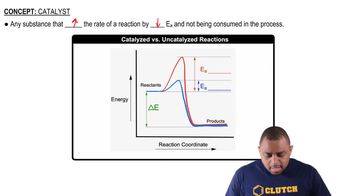
A catalyst increases the reaction rate by lowering the activation energy.
진행 상황 추적
컨트롤 버튼이 '내비게이션' 모드로 변경되었습니다.
1/25
관련 플래시카드
관련 실천
추천 영상
Catalyst definitions
Catalyst
10 용어
Catalyst quiz
Catalyst
13 용어
Catalyst quiz #1
Catalyst
38 용어
Catalyst
15. Chemical Kinetics
4 문제점
주제
Jules
Factors Influencing Rates
15. Chemical Kinetics
3 문제점
주제
Jules
15. Chemical Kinetics - Part 1 of 3
5 주제
12 문제점
장
Jules
15. Chemical Kinetics - Part 2 of 3
4 주제
11 문제점
장
Jules
15. Chemical Kinetics - Part 3 of 3
4 주제
11 문제점
장
Jules
VideoThumbView.guidedCourse
01:59
Catalyzed vs. Uncatalyzed Reactions
5649
views
62
rank
VideoThumbView.guidedCourse
04:10
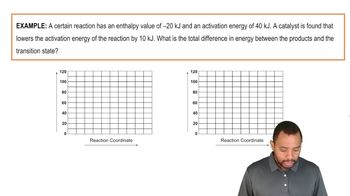
Catalyzed vs. Uncatalyzed Reactions Example
5130
views
38
rank
2
comments
이 집합의 용어 (25)
하이드의 정의
How does a catalyst affect reaction rate?
A catalyst increases the reaction rate by lowering the activation energy.
What are two key characteristics of catalysts?
Catalysts lower activation energy and are not used up in the reaction.
If a catalyst lowers the activation energy, what is the result?
Lowering the activation energy results in a faster reaction rate.
What is a substance that lowers the activation energy called?
A catalyst is a substance that lowers the activation energy.
Why does platinum metal make a good catalytic surface for reactant molecules?
Platinum provides a surface that facilitates reactions by lowering activation energy.
What is true of a catalyst?
A catalyst speeds up reactions and is not consumed.
What are the roles of a catalyst in the energetics of a chemical reaction?
A catalyst lowers the activation energy, making the reaction energetically more favorable.
Which of the energy profiles show the effects of a catalyst on the rate of the reaction?
The energy profile with a lower activation energy peak shows the effect of a catalyst.
Which curve represents the catalyzed reaction?
The curve with the lower activation energy represents the catalyzed reaction.
Which statement best describes the amount of catalyst that remains at the end of a reaction?
The amount of catalyst remains unchanged at the end of the reaction.
Which component is affected when a catalyst is added to a chemical reaction?
The activation energy is affected and lowered when a catalyst is added.
Which component of a chemical reaction speeds up the reaction but is not changed by the reaction?
A catalyst speeds up the reaction but is not changed by the reaction.
What element is the catalyst in the reaction above?
Platinum is often used as a catalyst in chemical reactions.
A(n) _____ is a substance that speeds up a chemical reaction.
A catalyst is a substance that speeds up a chemical reaction.
A catalyst or an inhibitor changes the amount of product made.
A catalyst does not change the amount of product made; it only affects the rate.
When compared with the normal reaction pathway, a catalyzed reaction pathway will always have:
A catalyzed reaction pathway will always have a lower activation energy.
A substance that influences the reaction but does not participate in the reaction is a .
A catalyst influences the reaction but is not consumed or permanently changed.
A substance that influences the reaction but does not participate in the reaction is a
A catalyst.
A substance that speeds up a chemical reaction
A catalyst.
How are the following aspects of a reaction affected by a catalyst?
A catalyst lowers activation energy and increases reaction rate, but does not affect the overall energy change.
Classify each statement about catalysts as true or false.
True: Catalysts lower activation energy and are not consumed. False: Catalysts are used up in the reaction.
A catalyst increases the rate of a chemical reaction by
Lowering the activation energy.
A substance that increases the rate of a chemical reaction
A catalyst.
Catalysts increase reaction rates by _____
Lowering the activation energy.
Speeds up chemical reactions by lowering activation energy
A catalyst.
 뒤로뒤로
뒤로뒤로
 01:59
01:59