Ch.1 - Introduction: Matter, Energy, and Measurement
Brown - Chemistry: The Central Science 14th Edition
Brown14th EditionChemistry: The Central ScienceISBN: 9780134414232당신이 사용하는 게 아니라요?교과서 변경
1장, 문제 24a

A silvery metal is put inside a beaker of water. Bubbles form on the surface of the metal and it dissolves gradually. (a) Is this an example of a chemical or a physical change?

검증된 단계별 안내
1
Step 1: Identify the characteristics of a chemical change. Chemical changes involve the formation of new substances and are often accompanied by observable phenomena such as gas production, color change, or temperature change.
Step 2: Identify the characteristics of a physical change. Physical changes involve changes in the state or appearance of a substance without forming new substances.
Step 3: Analyze the given scenario. The formation of bubbles on the surface of the metal suggests the production of a gas, which is a strong indicator of a chemical reaction taking place.
Step 4: Consider the dissolution of the metal. If the metal is dissolving and forming a new substance in the solution, this further supports the occurrence of a chemical change.
Step 5: Conclude based on the observations. Since the scenario involves gas production and the metal dissolving, it is indicative of a chemical change rather than a physical change.

비슷한 문제에 대한 검증된 영상 답변:

이 영상 해법은 위 문제에 도움이 된다고 튜터들이 추천한 것입니다.
영상 길이:
1m

주요 개념

질문에 올바르게 답하기 위해 반드시 이해해야 하는 핵심 개념들은 다음과 같습니다.

Chemical Change

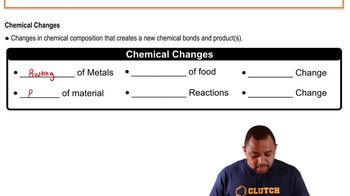
A chemical change involves a transformation that alters the chemical composition of a substance, resulting in the formation of new substances. This process is often accompanied by observable signs such as color change, gas production, or temperature change. In the context of the question, if the metal reacts with water to form new compounds, it indicates a chemical change.
추천 영상:
가이드 코스
01:53
Chemical Changes

Physical Change

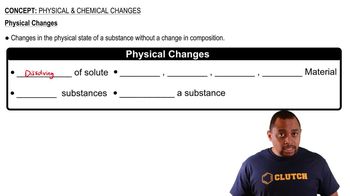
A physical change refers to a change in the state or appearance of a substance without altering its chemical composition. Examples include changes in state (solid, liquid, gas), shape, or size. In the scenario described, if the metal simply dissolves in water without forming new substances, it would be classified as a physical change.
추천 영상:
가이드 코스
01:41
Physical Changes

Reactivity of Metals with Water

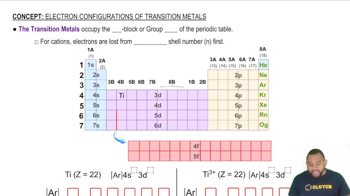
The reactivity of metals with water varies significantly among different metals. Some metals, like sodium and potassium, react vigorously with water, producing hydrogen gas and metal hydroxides, while others, like gold and platinum, do not react at all. Understanding the reactivity of the specific silvery metal in the question is crucial to determining whether the observed process is a chemical or physical change.
추천 영상:
가이드 코스
03:12
Transition Metals