Ch.1 - Introduction: Matter, Energy, and Measurement
Brown - Chemistry: The Central Science 14th Edition
Brown14th EditionChemistry: The Central ScienceISBN: 9780134414232당신이 사용하는 게 아니라요?교과서 변경
1장, 문제 1a

Which of the following figures represents (a) a pure element, (More than one picture might fit each description.)

검증된 단계별 안내
1
Step 1: Understand what defines a pure element in terms of atomic composition. A pure element consists of only one type of atom, meaning all particles in the figure should be identical atoms.
Step 2: Examine each figure carefully and identify the types of atoms present. Look for differences in color, size, or shape that indicate different elements.
Step 3: Select all figures where only one kind of atom is shown, with no mixing of different atoms or molecules. These figures represent pure elements.
Step 4: Remember that a pure element can be represented as individual atoms or as molecules made of the same atoms (e.g., O\_2 for oxygen gas), so figures showing identical atoms bonded together also count as pure elements.
Step 5: Exclude any figures that show more than one type of atom bonded together, as these represent compounds or mixtures, not pure elements.

비슷한 문제에 대한 검증된 영상 답변:

이 영상 해법은 위 문제에 도움이 된다고 튜터들이 추천한 것입니다.
영상 길이:
4m

주요 개념

질문에 올바르게 답하기 위해 반드시 이해해야 하는 핵심 개념들은 다음과 같습니다.

Pure Element

A pure element consists of only one type of atom, characterized by a unique number of protons. It cannot be broken down into simpler substances by chemical means. In diagrams, a pure element is represented by identical atoms or spheres of the same color and size.
추천 영상:
가이드 코스
02:35
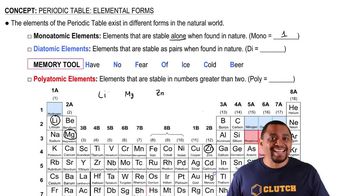
Elemental Forms of Elements

Atomic Representation in Diagrams

Chemical figures often use colored spheres to represent different atoms. Identical spheres indicate atoms of the same element, while different colors or sizes represent different elements. Recognizing these conventions helps identify pure elements, compounds, or mixtures.
추천 영상:
가이드 코스
01:57
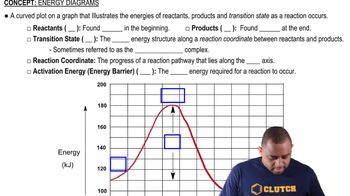
Energy Diagrams

Distinguishing Pure Elements from Compounds and Mixtures

Pure elements contain only one type of atom, compounds consist of two or more different atoms chemically bonded, and mixtures contain different substances physically combined. Understanding these distinctions is essential to correctly interpret chemical figures.
추천 영상:
가이드 코스
03:09
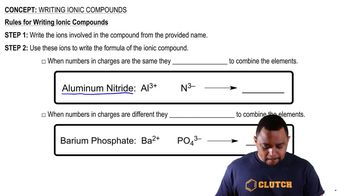
Rules for Writing Ionic Compounds