Ch.12 - Solids and Modern Materials
Brown - Chemistry: The Central Science 14th Edition
Brown14th EditionChemistry: The Central ScienceISBN: 9780134414232당신이 사용하는 게 아니라요?교과서 변경
12장, 문제 93

If you want to make a polymer for plastic wrap, should you strive to make a polymer that has a high or low degree of crystallinity?

검증된 단계별 안내
1
Step 1: Understand the concept of crystallinity in polymers. Crystallinity refers to the degree of structural order in a polymer. A high degree of crystallinity means the polymer chains are well-organized and packed closely together, while a low degree of crystallinity means the chains are more disordered.
Step 2: Consider the properties of polymers with high crystallinity. These polymers tend to be more rigid, have higher melting points, and are less permeable to gases and moisture. This is due to the tight packing of the polymer chains.
Step 3: Consider the properties of polymers with low crystallinity. These polymers are generally more flexible, have lower melting points, and are more permeable to gases and moisture. The disordered arrangement of chains allows for more movement and flexibility.
Step 4: Relate these properties to the desired characteristics of plastic wrap. Plastic wrap should be flexible, able to stretch and conform to the shape of the items it covers, and provide a barrier to moisture and gases to preserve food.
Step 5: Conclude whether a high or low degree of crystallinity is more suitable for plastic wrap based on the desired properties. Consider that flexibility and barrier properties are key factors in determining the appropriate degree of crystallinity for this application.

주요 개념

질문에 올바르게 답하기 위해 반드시 이해해야 하는 핵심 개념들은 다음과 같습니다.

Degree of Crystallinity

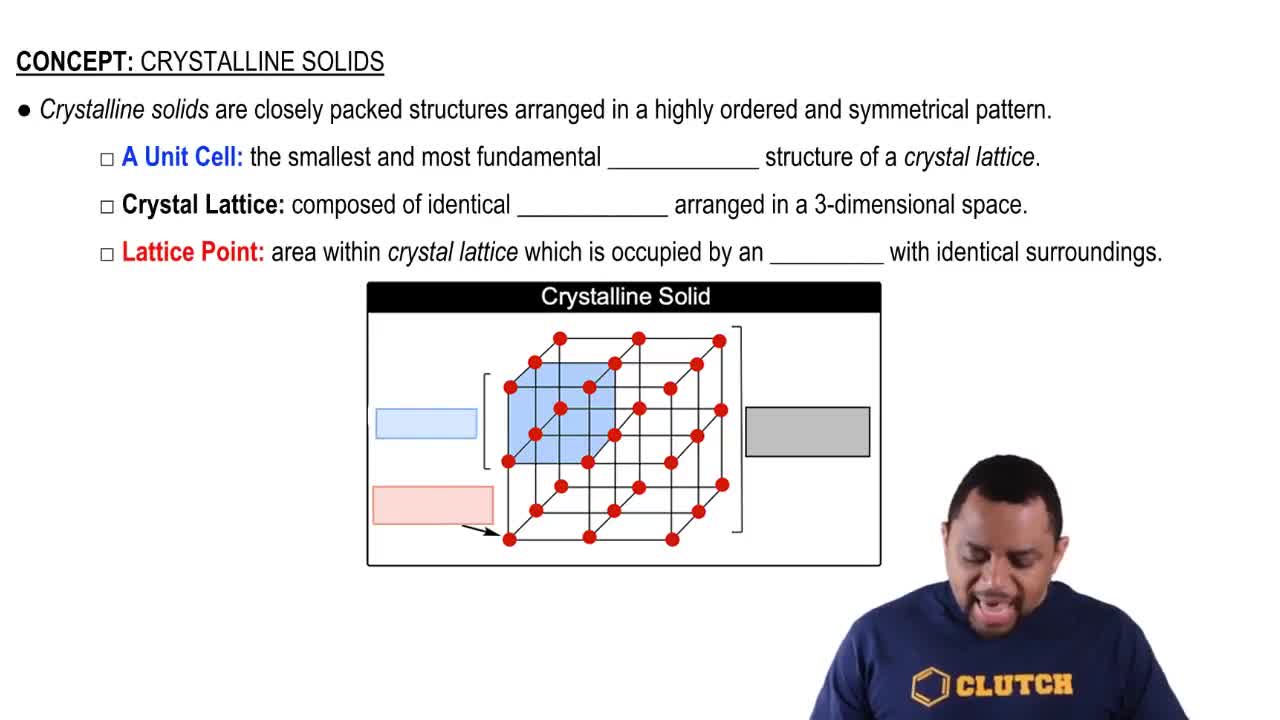
The degree of crystallinity refers to the extent to which a polymer's molecular chains are ordered in a regular, repeating pattern. High crystallinity typically results in materials that are more rigid and have higher melting points, while low crystallinity leads to more amorphous structures that are often more flexible and transparent. Understanding this concept is crucial for determining the physical properties of polymers used in applications like plastic wrap.
추천 영상:
가이드 코스
01:31
Crystalline Solids Structure

Polymer Properties

Polymers exhibit a range of properties based on their molecular structure, including tensile strength, flexibility, and transparency. For plastic wrap, a desirable property is flexibility, which allows the material to conform to various shapes. The balance between crystallinity and amorphous regions in a polymer influences these properties, making it essential to consider when designing materials for specific applications.
추천 영상:
가이드 코스
02:54
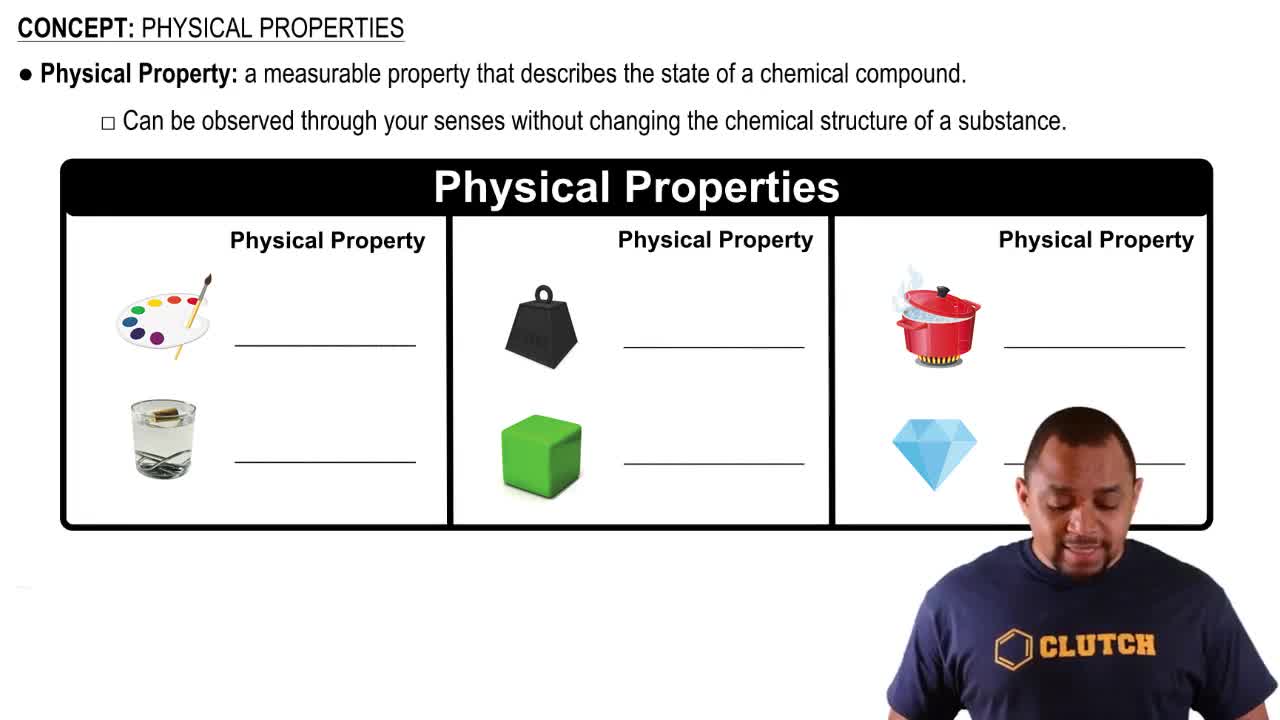
Physical Properties

Amorphous vs. Crystalline Polymers

Amorphous polymers lack a well-defined structure, resulting in materials that are generally more flexible and transparent, while crystalline polymers have a more ordered arrangement, leading to increased strength and rigidity. For plastic wrap, a lower degree of crystallinity is preferred to ensure that the material is flexible and can easily stretch around food items, providing a better seal and protection.
추천 영상:
가이드 코스
04:13
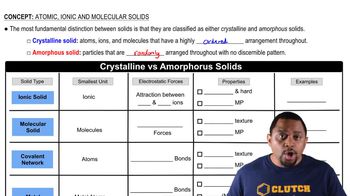
Crystalline vs Amorphous Solids