Ch.18 - Chemistry of the Environment
Brown - Chemistry: The Central Science 14th Edition
Brown14th EditionChemistry: The Central ScienceISBN: 9780134414232당신이 사용하는 게 아니라요?교과서 변경
18장, 문제 60

In the following three instances, which choice is greener in a chemical process? Explain. (a) A reaction that can be run at 350 K for 12 h without a catalyst or one that can be run at 300 K for 1 h with a reusable catalyst.

검증된 단계별 안내
1
Identify the key factors that determine the 'greenness' of a chemical process, such as energy consumption, time efficiency, and catalyst use.
Compare the energy requirements for both reactions. Consider that running a reaction at a lower temperature (300 K) generally consumes less energy than at a higher temperature (350 K).
Evaluate the time efficiency of both reactions. A reaction that completes in 1 hour is more time-efficient than one that takes 12 hours.
Consider the use of a catalyst. A reusable catalyst is beneficial as it can lower the activation energy, increase reaction rate, and be used multiple times, reducing waste.
Conclude that the reaction at 300 K for 1 hour with a reusable catalyst is likely greener due to lower energy consumption, increased time efficiency, and the sustainable use of a catalyst.

비슷한 문제에 대한 검증된 영상 답변:

이 영상 해법은 위 문제에 도움이 된다고 튜터들이 추천한 것입니다.
영상 길이:
1m

주요 개념

질문에 올바르게 답하기 위해 반드시 이해해야 하는 핵심 개념들은 다음과 같습니다.

Green Chemistry Principles

Green chemistry focuses on designing chemical processes that minimize waste and reduce the use of hazardous substances. It emphasizes sustainability and efficiency, aiming to create products and processes that are environmentally friendly. Understanding these principles helps evaluate the environmental impact of different chemical reactions.
추천 영상:
가이드 코스
02:05
Uncertainty Principle Formula

Catalysis

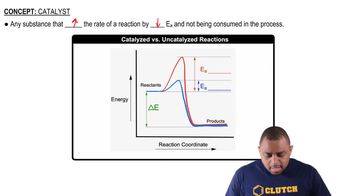
Catalysis involves the use of a substance (catalyst) that increases the rate of a chemical reaction without being consumed in the process. Catalysts can significantly lower the energy required for reactions, allowing them to occur under milder conditions. The use of reusable catalysts is particularly important in green chemistry as it reduces waste and resource consumption.
추천 영상:
가이드 코스
01:59
Catalyzed vs. Uncatalyzed Reactions

Temperature and Reaction Time

The temperature at which a reaction occurs can influence its rate and the energy required for the reaction. Generally, higher temperatures can increase reaction rates but may also lead to greater energy consumption and potential side reactions. Evaluating the trade-off between temperature and reaction time is crucial for determining the overall efficiency and environmental impact of a chemical process.
추천 영상:
가이드 코스
02:10
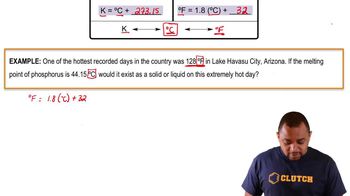
Temperature Conversion Example