Ch.21 - Nuclear Chemistry
Brown - Chemistry: The Central Science 14th Edition
Brown14th EditionChemistry: The Central ScienceISBN: 9780134414232당신이 사용하는 게 아니라요?교과서 변경
21장, 문제 59

What is the function of the control rods in a nuclear reactor? What substances are used to construct the control rods? Why are these substances chosen?

검증된 단계별 안내
1
Step 1: Understand the role of control rods in a nuclear reactor. Control rods are crucial components used to manage the fission reaction within a nuclear reactor. They help control the rate of the reaction by absorbing neutrons, which are particles that can cause further fission reactions.
Step 2: Identify the materials used to construct control rods. Common materials include cadmium, hafnium, and boron. These elements are chosen because they have a high neutron absorption cross-section, meaning they are very effective at capturing neutrons.
Step 3: Explain why neutron absorption is important. By absorbing neutrons, control rods can slow down or stop the chain reaction in the reactor. This is essential for maintaining a stable and safe operation of the reactor, preventing it from becoming too hot or going out of control.
Step 4: Discuss the placement and movement of control rods. Control rods are inserted into or withdrawn from the reactor core to adjust the neutron flux, which in turn controls the power output of the reactor. The precise movement of these rods allows operators to maintain the desired level of reactivity.
Step 5: Highlight the safety aspect of control rods. In the event of an emergency, control rods can be fully inserted into the reactor core to quickly shut down the nuclear reaction, providing a critical safety mechanism to prevent accidents.

주요 개념

질문에 올바르게 답하기 위해 반드시 이해해야 하는 핵심 개념들은 다음과 같습니다.

Control Rods Function

Control rods are crucial components in a nuclear reactor that regulate the fission process. They absorb neutrons, which are released during nuclear reactions, thereby controlling the rate of the reaction. By adjusting the position of the control rods, operators can increase or decrease the reactor's power output, ensuring safe and efficient operation.
추천 영상:
가이드 코스
03:37
Logarithmic Functions

Materials Used for Control Rods

Control rods are typically made from materials that have a high neutron absorption capacity, such as boron, cadmium, or hafnium. These materials are chosen because they effectively capture neutrons without undergoing fission themselves, allowing for precise control over the nuclear reaction. The selection of these materials is critical for maintaining reactor safety and efficiency.
추천 영상:
가이드 코스
08:12
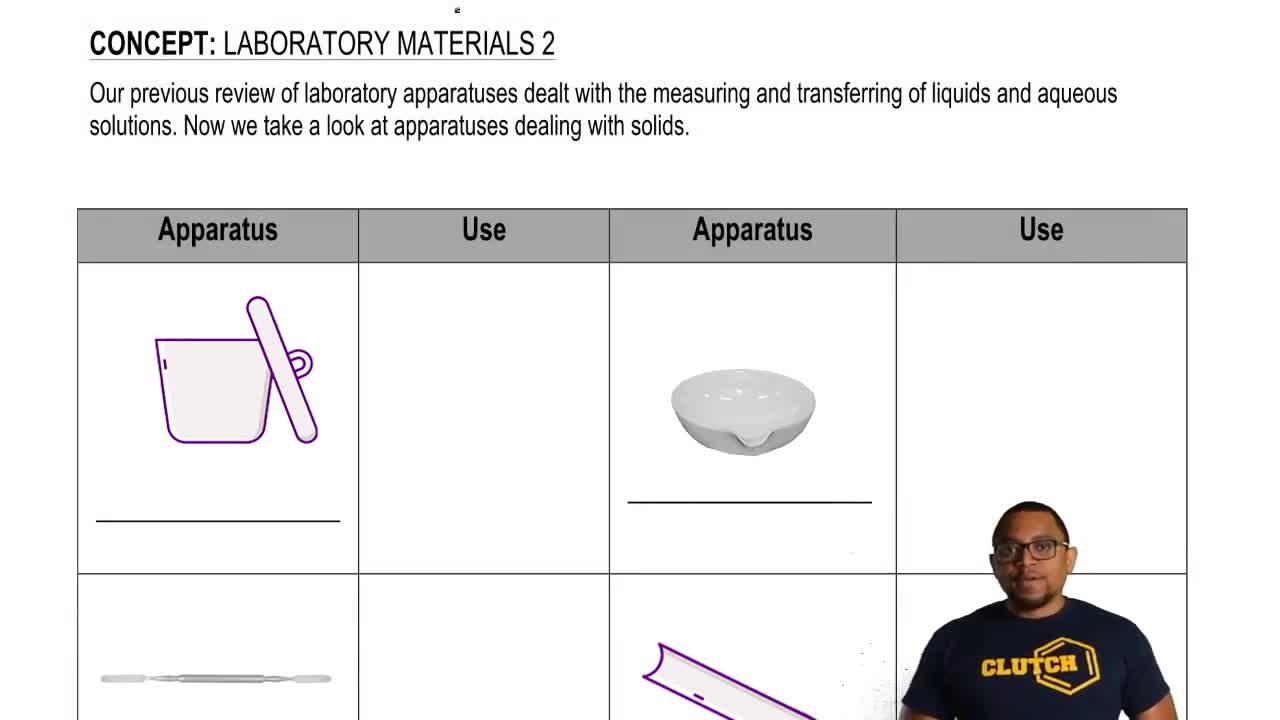
Laboratory Materials 2

Importance of Neutron Absorption

Neutron absorption is a fundamental concept in nuclear physics that refers to the ability of certain materials to capture neutrons. This process is essential in controlling nuclear reactions, as it prevents the chain reaction from becoming too rapid or uncontrollable. The effectiveness of control rods in absorbing neutrons directly impacts the stability and safety of the nuclear reactor.
추천 영상:
가이드 코스
01:38
Neutron-to-Proton Plot