Ch.21 - Organic Chemistry
Tro - Chemistry: A Molecular Approach 4th Edition
Tro4th EditionChemistry: A Molecular ApproachISBN: 9780134112831당신이 사용하는 게 아니라요?교과서 변경
21장, 문제 97d

Classify each organic reaction as combustion, alkane substitution, alkene addition or hydrogenation, aromatic substitution, or alcohol substitution, elimination, or oxidation.
d.

검증된 단계별 안내
1
Step 1: Identify the type of organic compound involved in the reaction. Look for functional groups or structural features such as alkanes, alkenes, aromatics, or alcohols.
Step 2: Examine the reactants and products to determine what kind of transformation is occurring. For example, check if a hydrogen is being added or removed, or if a functional group is being substituted.
Step 3: Consider the reaction conditions, such as the presence of a catalyst, heat, or specific reagents, which can provide clues about the type of reaction.
Step 4: Match the observed transformation with the characteristics of known reaction types: combustion involves oxygen and produces CO2 and H2O, substitution involves replacing an atom or group, addition involves adding atoms to a double bond, and oxidation involves increasing the oxidation state.
Step 5: Classify the reaction based on your observations and analysis. Ensure that the classification aligns with the typical characteristics of the reaction types provided in the problem.

비슷한 문제에 대한 검증된 영상 답변:

이 영상 해법은 위 문제에 도움이 된다고 튜터들이 추천한 것입니다.
영상 길이:
1m
도움이 되었나요?

주요 개념

질문에 올바르게 답하기 위해 반드시 이해해야 하는 핵심 개념들은 다음과 같습니다.

Types of Organic Reactions

Organic reactions can be classified into several categories based on their mechanisms and the types of reactants involved. Common classifications include combustion, where organic compounds react with oxygen to produce carbon dioxide and water; substitution reactions, where an atom or group in a molecule is replaced by another; and addition reactions, where atoms are added to a molecule, often seen in alkenes.
추천 영상:
가이드 코스
02:26
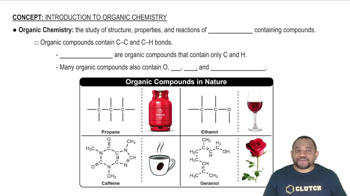
Introduction to Organic Chemistry

Combustion Reactions

Combustion reactions involve the rapid reaction of a substance with oxygen, resulting in the release of energy in the form of heat and light. In organic chemistry, this typically refers to the burning of hydrocarbons, producing carbon dioxide and water as byproducts. Understanding combustion is essential for analyzing energy production and environmental impacts.
추천 영상:
가이드 코스
02:24
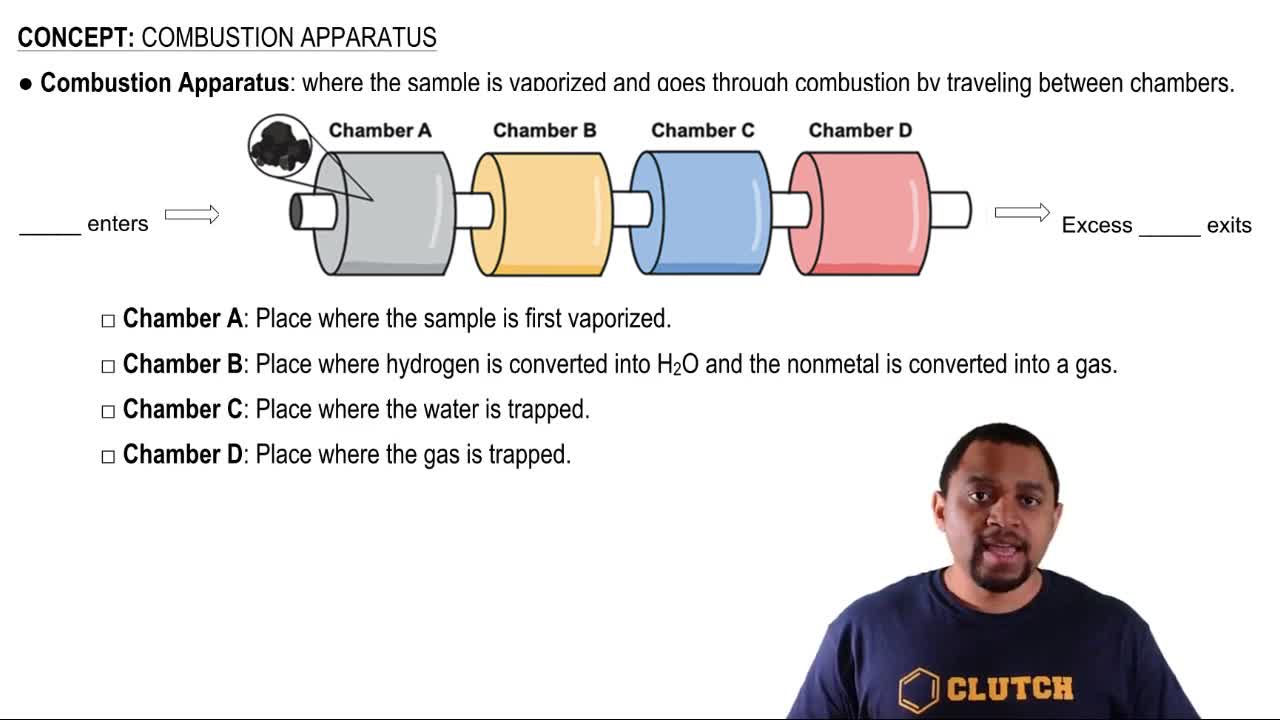
Combustion Apparatus

Substitution and Addition Reactions

Substitution reactions involve the replacement of one functional group in a molecule with another, commonly seen in alkanes and aromatic compounds. In contrast, addition reactions occur when two reactants combine to form a single product, often involving alkenes where double bonds are broken to allow new atoms to attach. Recognizing these patterns is crucial for predicting reaction outcomes.
추천 영상:
가이드 코스
01:08
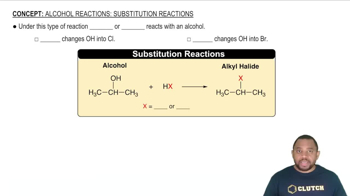
Alcohol Reactions: Substitution Reactions