Ch.22 - Organic Chemistry
Tro - Chemistry: A Molecular Approach 5th Edition
Tro5th EditionChemistry: A Molecular ApproachISBN: 9780134874371당신이 사용하는 게 아니라요?교과서 변경
22장, 문제 71c

Name each alcohol. c.
Structural formula of an alcohol with an OH group, part of naming alcohols in organic chemistry.

검증된 단계별 안내
1
Identify the longest carbon chain that includes the carbon atom bonded to the OH group. This chain will determine the base name of the alcohol.
Number the carbon chain starting from the end nearest to the OH group to give the OH group the lowest possible number.
Identify and name any substituents (alkyl groups) attached to the main carbon chain.
Combine the names of the substituents with the base name of the alcohol, placing the substituents in alphabetical order and using numbers to indicate their positions on the carbon chain.
Add the suffix '-ol' to the base name to indicate the presence of the OH group, and place the number indicating the position of the OH group before the base name if necessary.

비슷한 문제에 대한 검증된 영상 답변:

이 영상 해법은 위 문제에 도움이 된다고 튜터들이 추천한 것입니다.
영상 길이:
3m
도움이 되었나요?

주요 개념

질문에 올바르게 답하기 위해 반드시 이해해야 하는 핵심 개념들은 다음과 같습니다.

Alcohol Functional Group

Alcohols are organic compounds characterized by the presence of one or more hydroxyl (-OH) groups attached to a carbon atom. This functional group is responsible for the chemical properties of alcohols, including their ability to form hydrogen bonds, which affects their boiling points and solubility in water.
추천 영상:
가이드 코스
01:32
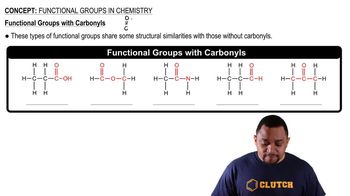
Carbonyl Functional Groups

IUPAC Nomenclature

The International Union of Pure and Applied Chemistry (IUPAC) nomenclature provides a systematic method for naming organic compounds. For alcohols, the name is derived from the longest carbon chain containing the -OH group, with the suffix '-ol' indicating the presence of the alcohol functional group, and the position of the -OH group is indicated by a number.
추천 영상:
가이드 코스
02:39
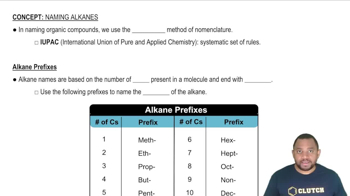
Rules for Naming Alkanes

Structural Isomerism

Structural isomerism occurs when compounds have the same molecular formula but different structural arrangements of atoms. In the case of alcohols, variations in the carbon skeleton or the position of the -OH group can lead to different isomers, each with distinct properties and names, which is crucial for accurately identifying and naming the alcohol in the given structure.
추천 영상:
가이드 코스
2:14
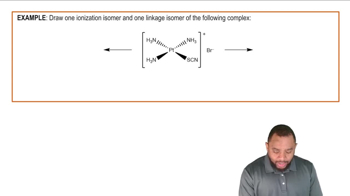
Isomerism in Coordination Complexes Example